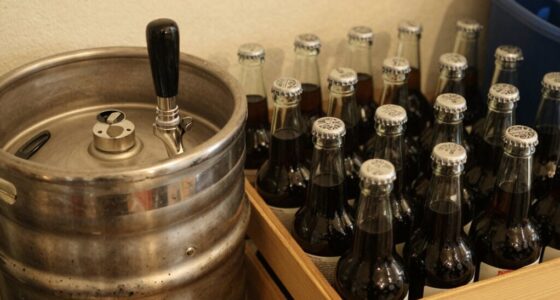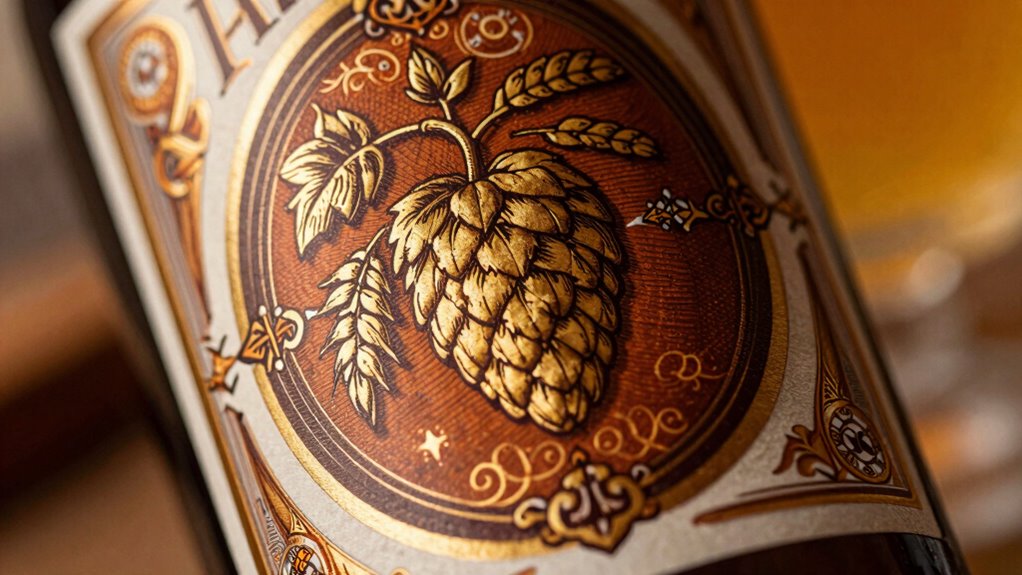

To understand a beer like a brewer, focus on the label details. Notice fermentation notes, which reveal craftsmanship and flavor complexity. Look for ingredient clues like “local” or “organic” to gauge quality. Identify the brewing style and ABV to anticipate taste and strength. Pay attention to flavor hints and aroma descriptions, as they tell a story about the beer’s creation. Keep exploring, and you’ll uncover more about what makes each brew special.

Get the little things that make your day delivered free with Prime
- Fast, free delivery on millions of items
- Prime Video, Amazon Music and more included
- Member-only deals all year
Key Takeaways
- Examine fermentation details, such as primary or secondary, to understand flavor development and craftsmanship.
- Look for ingredient mentions like “local,” “organic,” or “hand-selected” to assess quality and sustainability.
- Identify the brewing style and ABV to anticipate flavor profile and strength.
- Note flavor and aroma hints on the label to gain insight into the beer’s character.
- Recognize storytelling elements on the label to appreciate the brewery’s craft and effort.
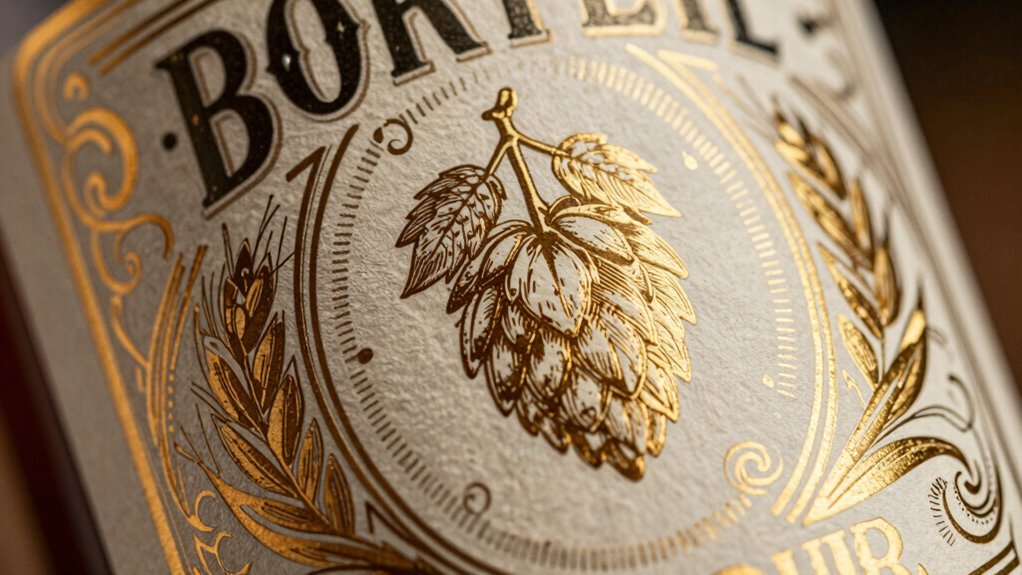
Understanding a beer label can seem intimidating at first, but once you know what to look for, it becomes a valuable tool for appreciating your brew. Labels often contain a wealth of information that reveals the story behind the beer, from how it was made to what ingredients were used. When you start reading a label like a brewer, you begin to see beyond the branding and recognize the craftsmanship involved. The fermentation process is a key element to look for, as it influences the beer’s flavor, aroma, and overall character. Labels sometimes specify whether the beer underwent primary or secondary fermentation, or if it was bottle-conditioned. These details hint at the level of complexity and care taken during production. For instance, a beer that mentions a longer fermentation may have a more refined taste, showcasing the brewer’s patience and skill.
Ingredient sourcing is another critical aspect that labels often highlight. Many craft breweries pride themselves on using locally sourced or organic ingredients, and they’ll often mention this on the label to showcase their commitment to quality and sustainability. When you see phrases like “hand-selected hops,” “local barley,” or “organic wheat,” it indicates that the brewers prioritize ingredient quality, which can directly impact the flavor profile. Paying attention to these details helps you understand the beer’s uniqueness and the effort behind its creation.
Besides ingredients, labels can also tell you about the brewing style, alcohol content, and even the intended flavor notes. For example, a label might specify it’s an IPA, a stout, or a saison, giving you clues about what to expect in taste and mouthfeel. The alcohol by volume (ABV) percentage informs you of the beer’s strength, and this can also hint at the fermentation process, as higher ABV beers often require a different fermentation approach. Additionally, understanding digital content formats can enhance your appreciation of how breweries communicate their story through labels.
As an affiliate, we earn on qualifying purchases.
Frequently Asked Questions
How Do I Identify the Beer’s Alcohol Content Quickly?
You can quickly identify the beer’s alcohol content by looking at the label’s ABV percentage, usually near the flavor profile or ingredients. The ABV reflects the brewing process and how much alcohol is present. A higher ABV often means a stronger, more robust flavor profile. If it’s not obvious, scan the label’s front or back, as brewers typically highlight this info to help you gauge the beer’s strength at a glance.
What Do the Symbols on the Label Mean?
The symbols on a beer label are like secret codes revealing the brew’s story! They often indicate ingredients, brewing methods, or awards, and sometimes hint at the brewery’s history or unique style. Look closely at the label design—bold icons or tiny symbols—each tells you something about the beer’s journey from grain to glass. Deciphering these symbols makes your beer experience an epic adventure, revealing the craft behind every sip!
Is There a Way to Tell the Beer’s Freshness From the Label?
Yes, you can gauge a beer’s freshness partly by checking the label. Look for a “bottled on” or “packaged on” date; fresher beers often have this info. Malted barley and hops aroma can fade over time, so newer beers usually have a brighter aroma. Be cautious with older labels, as these signs may indicate the beer isn’t at its peak flavor.
How Can I Recognize Special or Limited Edition Beers?
To recognize limited edition beers, look for limited edition descriptions on the label or packaging. These beers often feature unique label designs that stand out from regular offerings, sometimes with special artwork or metallic finishes. Breweries highlight these editions to emphasize their exclusivity, so check for phrases like “Limited Release” or “Special Edition.” These details help you identify beers that are rare and collectible, making your tasting experience more exciting.
What Ingredients Should I Look for on the Label?
Think of the label as a treasure map revealing hidden flavors. You should look for ingredients transparency, like malt, hops, yeast, and water, to understand what’s inside. Flavor indicators, such as added fruits, spices, or special grains, give you clues about taste profiles. Clear labels help you decide if the beer matches your preferences, guiding you to a brew that excites your palate and makes every sip a discovery.
As an affiliate, we earn on qualifying purchases.
Conclusion
Next time you pick up a beer, remember, reading the label like a brewer isn’t just about understanding the brew—it’s about discovering a story, a craft that mirrors your own journey. Sometimes, the most unexpected details reveal the passion behind every sip, just like a chance encounter that changes everything. So, take a moment, savor the label, and let it remind you that even in the smallest details, there’s always something worth discovering—just like life itself.
As an affiliate, we earn on qualifying purchases.
As an affiliate, we earn on qualifying purchases.
NFL season / tailgating Picks
team gear
As an affiliate, we earn on qualifying purchases.