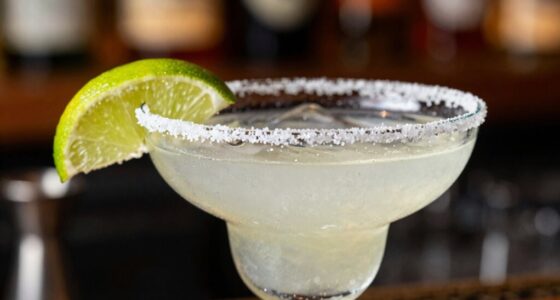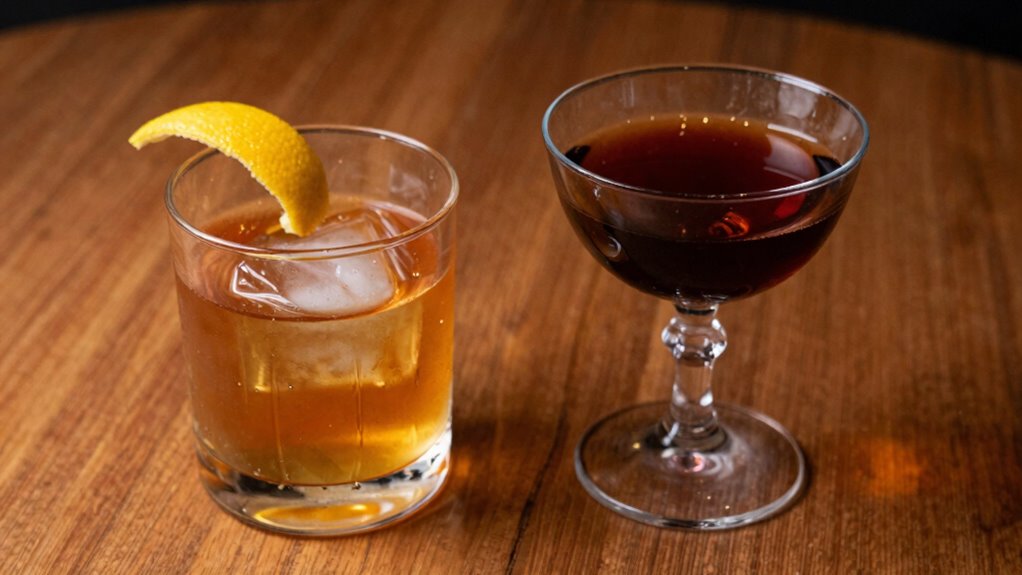

You’ll want to serve an aperitif before the meal to stimulate your palate and prepare you for what’s to come, while a digestif is meant to be enjoyed after finishing your main courses to help settle your stomach and unwind. This timing guides the overall flow of the meal, highlighting traditional customs and enhancing your experience. If you keep exploring, you’ll discover how these drinks deepen your appreciation of cultural dining rituals and flavor pairings.

Get the little things that make your day delivered free — and shop member deals
- Fast, free delivery on millions of items
- Access to Prime Big Deal Days deals on October 6–7
- Prime Video, Amazon Music and more included
Key Takeaways
- Aperitifs are served before a meal to stimulate appetite, while digestifs are enjoyed after to aid digestion.
- Timing is crucial: serve aperitifs at the start of the meal and digestifs at the end.
- Proper timing enhances the flavor profile and cultural significance of each drink.
- Serving the wrong type at the wrong time can disrupt the traditional dining experience.
- Recognizing the timing rule elevates appreciation and mindfulness during meals.
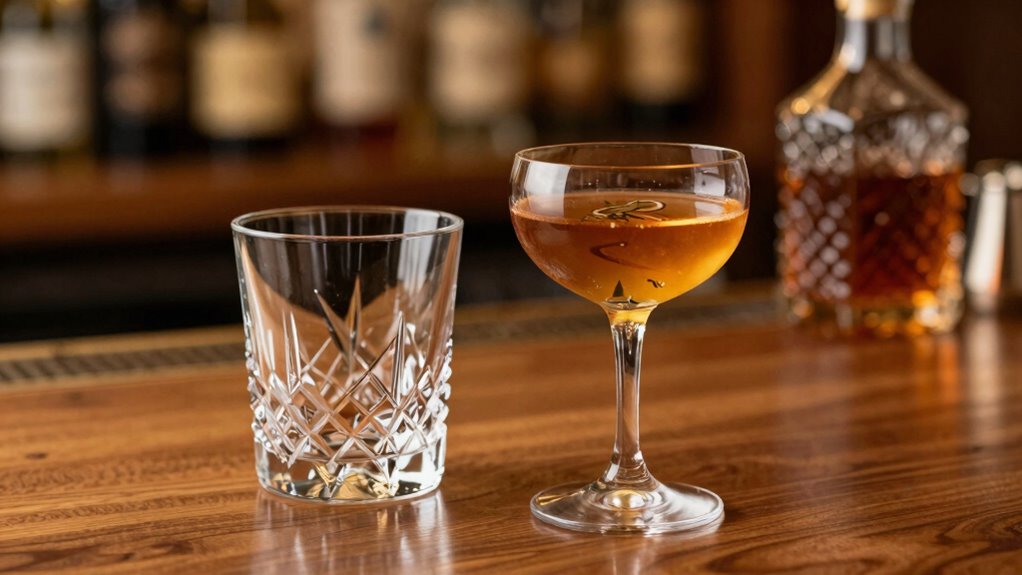
In contrast, digestifs emerged later, primarily in Italy, during the Renaissance period. Their purpose shifted from appetite stimulation to aiding digestion after a hearty meal. Historically, digestifs became popular among aristocrats and connoisseurs, who believed these stronger, often herbal or fortified spirits, helped settle the stomach. Their cultural significance deepened as they became symbols of sophistication and relaxation after dining. The tradition of serving digestifs underscores a different moment in the meal—one of winding down and savoring the flavors. They’re often richer and more complex, designed to complement the heavy, rich dishes often enjoyed during a festive or formal meal.
Understanding these origins helps you grasp the importance of timing when enjoying these drinks. An aperitif is meant to be light, *invigorating*, and served before the meal to stimulate your appetite. It’s typically enjoyed in a social setting, where its purpose is to prepare your palate for what’s to come. Conversely, a digestif is best savored after the meal, offering a chance to unwind and reflect on the flavors you’ve experienced. Its role isn’t just about taste but also about embracing tradition and the cultural rituals that come with finishing a meal. Knowing this timing rule transforms your approach to drinking, making each sip meaningful and aligned with centuries-old customs. Whether you’re starting or ending your meal, understanding the historical and cultural context *guarantees* you appreciate these drinks beyond just their flavor, elevating your dining experience to a more mindful and connected level.
Additionally, consider pairing your drinks with seasonal ingredients to enhance the overall experience.
As an affiliate, we earn on qualifying purchases.
Frequently Asked Questions
Can You Serve Both Aperitif and Digestif at the Same Meal?
Yes, you can serve both an aperitif and a digestif at the same meal. Start with an aperitif to stimulate your appetite and enhance flavors, especially when pairing cheese and appetizers. After the main course, serve a digestif to aid digestion and provide a flavorful finish. This approach balances the meal, highlights flavors, and creates a sophisticated dining experience. Just be mindful of serving sizes to keep everything enjoyable.
Are There Specific Glasses Recommended for Aperitif and Digestif?
You should choose specific glass styles for aperitifs and digestifs to follow proper serving etiquette. Aperitifs are best served in narrower, tulip-shaped glasses that concentrate their aromas, while digestifs shine in wider, snifter-style glasses that enhance their richness. Using the appropriate glass not only elevates the drinking experience but also shows respect for tradition and the careful presentation of your drinks.
Do Cultural Differences Influence Aperitif and Digestif Choices?
Imagine your taste buds as travelers, guided by a map of cultural preferences and regional traditions. These influences steer your choices, making aperitif and digestif selections feel like a dance rooted in local customs. Cultural differences shape your palate, infusing each sip with history and identity. So, your drink preferences aren’t just personal—they’re a reflection of the rich tapestry woven by your culture and region.
How Do Non-Alcoholic Versions Fit Into the Timing Rule?
Non-alcoholic alternatives fit into the timing rule by offering a flavorful option when you want the experience without alcohol. You can enjoy non-alcoholic aperitifs before a meal to stimulate your appetite, or have non-alcoholic digestifs afterward to aid digestion. To match the traditional flavor profile adjustments, choose options with herbs, citrus, or bitter notes. This way, you maintain the ritual’s purpose without compromising your preferences or health.
Are There Health Benefits Associated With Drinking Aperitif or Digestif?
You might marvel at the modest health impacts of aperitifs and digestifs, which contain alcohol content that can influence digestion and mood. Moderate consumption may promote digestive health and stimulate appetite, but excessive drinking risks health harms like liver issues. Non-alcoholic versions offer similar benefits without the alcohol content, making them a healthier choice. Remember, mindful moderation maximizes benefits and minimizes risks.
As an affiliate, we earn on qualifying purchases.
Conclusion
So, next time you’re planning your meal, remember the timing rule: aperitifs are your go-to before eating, while digestifs come after. Did you know that over 60% of Europeans prefer starting their meal with an aperitif? Keeping this in mind can elevate your dining experience and impress your guests. Whether you choose a light spritz or a rich after-dinner drink, understanding the timing makes all the difference. Cheers to better sipping!
aperitif and digestif wine glasses
As an affiliate, we earn on qualifying purchases.
As an affiliate, we earn on qualifying purchases.
traditional aperitif and digestif bottles
As an affiliate, we earn on qualifying purchases.
As an affiliate, we earn on qualifying purchases.
Halloween Picks
halloween
As an affiliate, we earn on qualifying purchases.