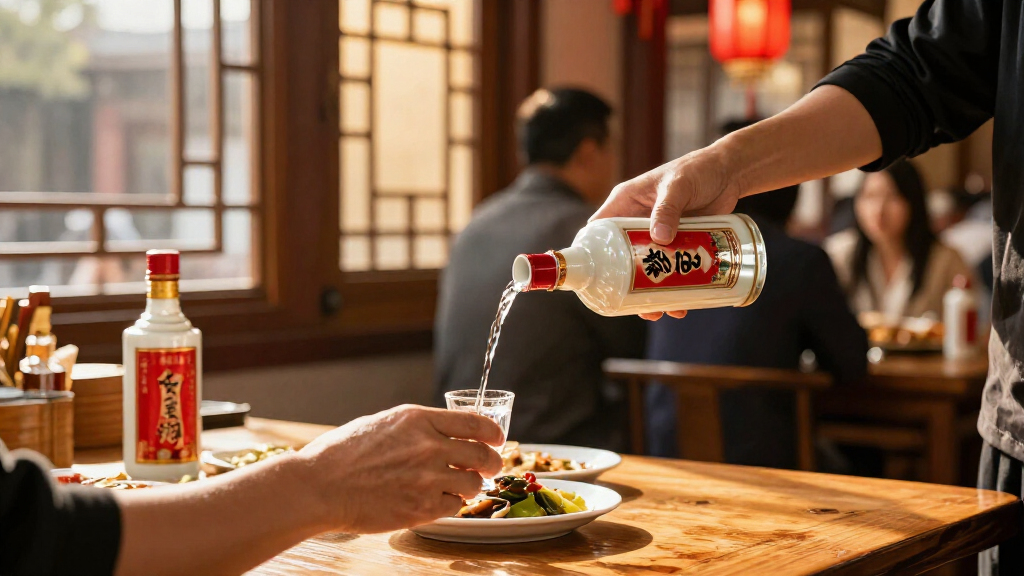

Readers searching for the best baijiu brands may first need a guide to the spirit itself. The five supplied options are books and educational resources, not bottles or distillery brands, so I rank them by how well they help a reader understand baijiu and choose what to explore next. Baijiu: The Flavours of China is my strongest pick for learning about styles and tasting; Drunk in China is better suited to readers drawn to history and drinking culture; and Baijiu by Definition: What Is Baijiu? offers the simplest starting point. The main tradeoff is breadth versus focus: a short definition is approachable but limited, while broader cultural books may be less useful if you only want practical flavor guidance.

Get the little things that make your day delivered free with Prime
- Fast, free delivery on millions of items
- Prime Video, Amazon Music and more included
- Member-only deals all year
Key Takeaways
- None of these five options is a baijiu bottle or distillery brand; each is a book or educational resource about the spirit.
- I rank Baijiu: The Flavours of China first for its stated coverage of styles, production, tasting, and cultural context.
- Drunk in China is the stronger fit for readers prioritizing the history of Chinese drinking culture over a concise introduction.
- Baijiu by Definition is the lightest entry point, but its definitional focus does not replace a guide to tasting or brand comparison.
- Chinese National Alcohols: Baijiu and Huangjiu may suit readers interested in two traditional drinks, though the supplied details are too sparse to judge its depth.
| Baijiu: The Flavours of China |  | Best Overall for Learning Styles and Tasting | Format: Book | Subject: Baijiu flavors and culture | Coverage: Flavors, types, production methods, and tasting notes | VIEW LATEST PRICE | See Our Full Breakdown |
| Drunk in China: Baijiu and the World’s Oldest Drinking Culture |  | Best for History and Drinking Culture | Format: Book | Subject: Baijiu and Chinese drinking culture | Historical focus: Indicated by the product title and supplied description | VIEW LATEST PRICE | See Our Full Breakdown |
| Baijiu (白酒): The World’s Biggest Spirit, and the One You Know Least (Spirits of Influence, Book 11) |  | Best for a Broad Spirits-Culture Introduction | Format: Book | Series: Spirits of Influence | Book number: 11 | VIEW LATEST PRICE | See Our Full Breakdown |
| Baijiu by Definition: What Is Baijiu? |  | Best for a Short, Simple Starting Point | Format: Educational resource | Subject: Definition of baijiu | Spirit type: Traditional Chinese distilled spirit | VIEW LATEST PRICE | See Our Full Breakdown |
| Chinese National Alcohols: Baijiu and Huangjiu |  | Best for Curiosity About Two Chinese Drinks | Format: Not specified | Subjects: Baijiu and huangjiu | Coverage depth: Not provided | VIEW LATEST PRICE | See Our Full Breakdown |
| baijiu brand | Format | Subject | Edition details | Tasting notes |
|---|---|---|---|---|
| Baijiu: The Flavours of China | Book | Baijiu flavors and culture | Not provided | — |
| Drunk in China: Baijiu and the | Book | Baijiu and Chinese drinking culture | Not provided | Not specified |
| Baijiu | Book | Baijiu (白酒) | Not provided | — |
| Baijiu by Definition: What Is | Educational resource | Definition of baijiu | — | Detailed notes not provided |
| Chinese National Alcohols: Bai | Not specified | — | Not provided | Not specified |
More Details on Our Top Picks
Baijiu: The Flavours of China
I rank Baijiu: The Flavours of China first because it has the clearest match to what many baijiu-curious readers need: a way to understand the spirit’s variety, not just a definition of its name. The supplied description says it covers different flavors and types, production methods, tasting notes, and cultural significance. That combination makes it more useful as a broad orientation than Baijiu by Definition, which is described as a foundational resource but has limited tasting and comparison detail.
The practical advantage is range across the subject. Readers can approach baijiu as a family of spirits with different profiles and traditions, rather than assuming that one bottle represents the whole category. That context is valuable before comparing brands or choosing a style to try. It also makes this pick a better all-round introduction than Drunk in China, whose stated emphasis is the history of baijiu and Chinese drinking culture rather than flavor exploration.
The tradeoff is that the topic remains specialized. Someone looking for a short answer, a list of currently available bottles, or a direct brand-buying recommendation may find this more study-oriented than needed. The supplied information also does not identify an edition or describe how detailed the tasting guidance is, so I would not assume it functions as a current shopping directory. Still, among these five resources, its stated subject coverage offers the best balance for readers who want to understand what distinguishes baijiu styles before exploring brands.
Pros:- Described as covering a wide variety of baijiu flavors and types.
- Includes production methods and tasting notes in its stated scope.
- Adds cultural context rather than treating baijiu only as a tasting subject.
- Offers broader practical orientation than the definition-focused resource.
Cons:- Its specialized subject may not suit general readers.
- The supplied details do not identify an edition or explain how current any availability information is.
- It is educational material, not a bottle or a direct brand comparison chart.
Best for: Readers who want a broad introduction to baijiu flavors, styles, production, tasting, and cultural context before choosing bottles to explore.
Not ideal for: Shoppers who want a direct list of currently available baijiu brands, a brief definition, or a non-specialist general-interest read.
- Format:Book
- Subject:Baijiu flavors and culture
- Coverage:Flavors, types, production methods, and tasting notes
- Cultural context:Included, according to the supplied description
- Best use:Learning about styles before exploring bottles
- Edition details:Not provided
- Brand listings:Not specified
Our verdict“I recommend this as the strongest all-round learning pick because its stated coverage connects baijiu styles, flavors, production, and culture.”
Drunk in China: Baijiu and the World’s Oldest Drinking Culture
Drunk in China takes second place for readers who want to understand baijiu through the culture around it. Its stated subject connects the spirit with Chinese drinking history, making it a more fitting choice for narrative and cultural interest than a narrowly practical introduction. Compared with Baijiu: The Flavours of China, it appears less focused on tasting categories and production, but its title and description point more directly toward the historical setting in which baijiu is consumed.
That distinction matters to a buyer choosing between these books. If your immediate goal is to recognize different baijiu styles, the first-ranked book has the clearer stated advantage. If you want context for why the spirit has such a longstanding place in Chinese life, history and drinking culture are the reason to choose this one. It may also appeal to readers who prefer a broader cultural story over a guide organized around flavor and product distinctions.
The supplied description is brief, however, and does not give chapter details, tasting coverage, or a format beyond identifying it as a book. I would not treat it as a guaranteed reference for specific brands or as a hands-on tasting manual. That lack of detail keeps it behind the more explicitly wide-ranging Flavours of China, but it still has a distinct role in this lineup. Choose it for cultural perspective; skip it if your main question is which baijiu bottle or flavor style to try next.
Pros:- Focuses on baijiu alongside Chinese drinking culture.
- Offers a distinct historical angle within this group of resources.
- Suited to readers who want cultural context rather than a definition alone.
- Provides a complement to flavor-focused learning.
Cons:- The supplied description does not specify detailed tasting or production coverage.
- No chapter outline, format details, or edition information is provided.
- It is not identified as a practical brand-comparison guide.
Best for: Readers interested in baijiu’s place in Chinese drinking culture and the history surrounding the spirit.
Not ideal for: Readers whose priority is tasting notes, a structured style guide, or specific bottle and brand recommendations.
- Format:Book
- Subject:Baijiu and Chinese drinking culture
- Historical focus:Indicated by the product title and supplied description
- Tasting notes:Not specified
- Production coverage:Not specified
- Brand comparisons:Not specified
- Edition details:Not provided
Our verdict“I would choose this over the flavor guide only when cultural history matters more to me than tasting-oriented reference material.”
Baijiu (白酒): The World’s Biggest Spirit, and the One You Know Least (Spirits of Influence, Book 11)
This book’s strongest appeal is its framing of baijiu as a major spirit that may be unfamiliar to many readers. Baijiu (白酒): The World’s Biggest Spirit, and the One You Know Least is part of the Spirits of Influence series, and the supplied description presents it as a book about baijiu and its place in the world of spirits. That makes it a natural pick for someone approaching the category from a broader interest in spirits rather than from a specific desire to compare Chinese brands.
Compared with Drunk in China, this title signals a more explicitly global spirits perspective, while Drunk in China points toward Chinese drinking history. Compared with Baijiu: The Flavours of China, however, the provided product details are less precise about what a reader will learn: no particular flavor families, tasting notes, or production topics are listed. I rank it third because the series framing and subject are clear, but the available description does not support a stronger claim about practical detail.
The title’s invitation to learn about an unfamiliar spirit may suit a curious beginner, but buyers should not assume that the book is a step-by-step tasting manual or an up-to-date guide to bottles. Its value in this comparison is orientation and wider context, not verified coverage of specific brands. If you want richer stated detail about flavors and types, I would choose Flavours of China. If the series association and broad spirits framing appeal to you, this book fills a different niche.
Pros:- Focuses specifically on baijiu as a spirit category.
- Places the subject within a wider spirits context.
- Part of the Spirits of Influence series, which may appeal to series readers.
- The title signals an accessible entry point for readers unfamiliar with baijiu.
Cons:- The supplied description gives few details about chapter topics or depth.
- Tasting notes and production methods are not confirmed in the provided information.
- No specific brands or bottles are listed in the supplied description.
Best for: Spirits readers who want a baijiu-focused introduction framed within the wider world of distilled drinks.
Not ideal for: Readers who need confirmed tasting notes, detailed production coverage, or named bottle recommendations.
- Format:Book
- Series:Spirits of Influence
- Book number:11
- Subject:Baijiu (白酒)
- Scope:Baijiu and its place in the world of spirits
- Tasting coverage:Not specified
- Edition details:Not provided
Our verdict“I place it third as a promising broad introduction whose stated details are less specific than the flavor and culture coverage of the leading books.”
Baijiu by Definition: What Is Baijiu?
Baijiu by Definition: What Is Baijiu? is the easiest choice for someone who first wants to know what the term means. Its stated purpose is foundational: define baijiu and explain the nature and characteristics of this traditional Chinese distilled spirit. That narrow focus is also its main limitation. I rank it fourth because it can establish basic vocabulary, while the higher-ranked books promise more context about flavors, culture, or the spirit’s place in the wider drinks landscape.
For a beginner, a clear definition can be useful before reading about categories or deciding which bottle to try. It may help prevent the common mistake of treating baijiu as one uniform flavor or assuming the word refers to a single brand. In that respect, it is a simpler starting point than Baijiu: The Flavours of China. But the supplied description specifically notes that the resource has limited history and lacks detailed tasting notes or brand comparisons, so it cannot carry a reader very far into the buying decision.
I would treat this as a basic orientation resource, not a complete guide. Choose it when you need a straightforward introduction and do not want to begin with broader cultural discussion. Skip it if you already understand the definition or want help distinguishing styles, interpreting tasting notes, or comparing distilleries. Those needs are better served by the first-ranked book, whose stated coverage is substantially wider.
Pros:- Provides a clear definition of baijiu, according to the supplied description.
- Introduces the spirit as a traditional Chinese distilled drink.
- Offers a focused starting point for newcomers.
- Keeps the subject narrower than the broader books in this list.
Cons:- Limited historical coverage is stated in the supplied information.
- Does not provide detailed tasting notes or brand comparisons.
- Less useful for readers ready to explore styles and bottles.
Best for: Newcomers who want a basic definition of baijiu before reading more detailed material.
Not ideal for: Readers seeking extensive history, tasting notes, production guidance, or comparisons among baijiu brands.
- Format:Educational resource
- Subject:Definition of baijiu
- Spirit type:Traditional Chinese distilled spirit
- Focus:Foundational definition and characteristics
- History coverage:Limited, according to the supplied description
- Tasting notes:Detailed notes not provided
- Brand comparisons:Not provided
Our verdict“I recommend it as a first vocabulary step, but not as a substitute for a broader guide to flavors, history, or brands.”
Chinese National Alcohols: Baijiu and Huangjiu
Chinese National Alcohols: Baijiu and Huangjiu stands apart because it places baijiu beside huangjiu, another traditional Chinese alcoholic drink. That wider pairing may appeal to readers who want to explore Chinese beverage culture beyond distilled spirits alone. It is a different proposition from Baijiu by Definition, which concentrates on defining baijiu, and from Flavours of China, whose supplied description gives a more explicit account of tasting and production coverage.
The dual subject is potentially useful for comparison, but the product details supplied here are unusually limited. There is no description of its approach, no confirmed list of topics, and no stated tasting, historical, or production coverage. I rank it fifth not because the subject is uninteresting, but because I cannot verify how much practical information it offers a reader trying to understand baijiu or choose a brand. A careful roundup should not turn a suggestive title into claims about unprovided content.
This pick makes most sense for a reader who welcomes a broader subject and is comfortable investigating the book’s full listing before buying. Compared with the more clearly described resources, its benefit is the baijiu-and-huangjiu pairing; its drawback is uncertainty about depth. If your goal is a dependable starting guide, I would select one of the first four options with a clearer stated scope. If your interest already includes both drinks, this title may be worth a closer look, with the caveat that the information available here does not establish its contents.
Pros:- Names both baijiu and huangjiu as its subjects.
- May interest readers exploring more than one traditional Chinese drink.
- Offers a broader subject pairing than baijiu-only resources.
- Can serve as a starting point for further research into the two beverages.
Cons:- No further product details are supplied to establish its depth or approach.
- Tasting, production, and historical coverage are not confirmed.
- Its usefulness for comparing baijiu brands cannot be determined from the available information.
Best for: Readers curious about baijiu alongside huangjiu and willing to verify the book’s detailed contents before purchase.
Not ideal for: Buyers who want a clearly described beginner guide, confirmed tasting coverage, or a reliable brand-comparison resource.
- Format:Not specified
- Subjects:Baijiu and huangjiu
- Coverage depth:Not provided
- Tasting notes:Not specified
- Production coverage:Not specified
- Historical coverage:Not specified
- Edition details:Not provided
Our verdict“I rank it fifth because its paired subject is distinctive, but the supplied details are too sparse to establish its value as a baijiu guide.”
How We Picked
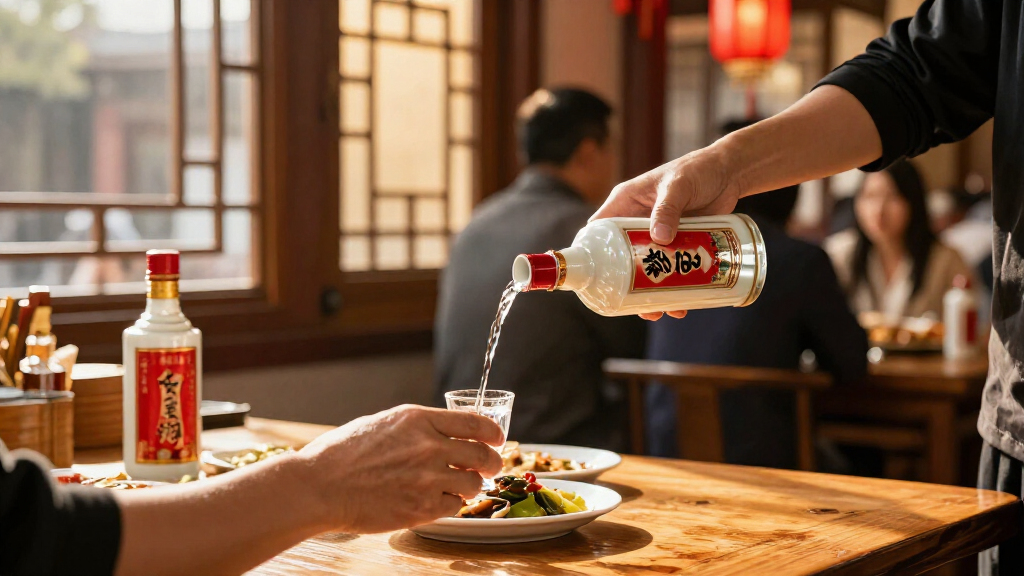
I treated this as a baijiu learning-resource roundup, not a spirits bottle ranking. The supplied products do not include brands of bottled baijiu, so ranking them as distilleries or recommending them for drinking would mislead readers. Instead, I compared the resources on the information provided: subject focus, stated coverage, likely usefulness to a newcomer, and how directly each title can help someone understand baijiu.
Coverage and decision value carried the most weight. A resource that explicitly addresses flavors, types, production, and tasting can help readers build a vocabulary for exploring the spirit, so Baijiu: The Flavours of China takes the lead. Drunk in China follows for its clear emphasis on baijiu and Chinese drinking culture. The broader framing of Baijiu (白酒): The World’s Biggest Spirit, and the One You Know Least earns it a place for readers seeking an introduction through the wider spirits landscape, although the supplied description gives fewer specifics about its contents.
I also considered accessibility and focus. A definition-focused title can be a sensible first step, but it does not provide the same breadth as a book on flavors or history. Chinese National Alcohols includes huangjiu as well as baijiu, which could broaden the subject for curious readers, but no further details are supplied, so I rank it conservatively. I have not inferred author credentials, edition formats, tasting expertise, or chapter contents where these were not provided. These rankings are based on the product information supplied, and buyers looking for actual baijiu brands should use this list as background reading rather than a bottle shortlist.
| baijiu brand | Format | Subject | Tasting notes |
|---|---|---|---|
| Baijiu: The Flavours of China | Book | Baijiu flavors and culture | — |
| Drunk in China: Baijiu and the | Book | Baijiu and Chinese drinking culture | Not specified |
| Baijiu | Book | Baijiu (白酒) | — |
| Baijiu by Definition: What Is | Educational resource | Definition of baijiu | Detailed notes not provided |
| Chinese National Alcohols: Bai | Not specified | — | Not specified |
Factors to Consider When Choosing Best Baijiu Brands
Because these listings are books and learning resources rather than baijiu brands, I would use them to build knowledge before choosing a bottle. The right pick depends on whether you want a quick definition, a flavor-centered guide, cultural history, or a wider comparison of Chinese drinks.
Start with the question you want answered
If you only need to know what baijiu is, the definition-focused resource is the most direct match. If you want to tell different styles apart, Baijiu: The Flavours of China has the clearest stated range, including flavors, types, production, and tasting notes. For historical context, Drunk in China is the title most directly associated with drinking culture. I would not choose solely by which title sounds broadest; match the stated subject to the information you want.
Use tasting coverage to prepare for brand exploration
Baijiu is a category, not one single flavor profile, so a resource that discusses styles and tasting can help you ask better questions when comparing bottles. The available description for Flavours of China supports that role more clearly than the other entries. The definition resource explicitly lacks detailed tasting notes, while the other books do not have tasting coverage confirmed in the supplied details. For a brand-shopping decision, that difference matters: foundational context and practical flavor vocabulary are not interchangeable.
Choose cultural history when context is your priority
Some readers want the story around a drink as much as they want to identify its flavors. Drunk in China is the clearest fit for that interest because its stated focus includes baijiu and Chinese drinking culture. The book in the Spirits of Influence series offers a wider spirits framing, while Chinese National Alcohols pairs baijiu with huangjiu. These may provide different routes into the subject, but the supplied descriptions do not confirm detailed contents, so I would check a full listing if depth is a deciding factor.
Do not confuse educational resources with brand recommendations
None of the five supplied items is a bottle, distillery, or direct list of recommended baijiu brands. A book may help you understand the category, but this roundup cannot establish which producer or bottle is best for your taste, occasion, or availability. I would treat the educational picks as preparation for a separate bottle comparison and look for current product details, style information, and reliable sourcing before choosing a spirit.
Treat missing details as uncertainty, not proof of quality
Several listings provide only a short description, and one provides no further product details beyond its title. That limits what I can responsibly say about format, chapter depth, tasting methods, or edition specifics. The ranking gives greater weight to resources with clearly stated subject coverage; it does not claim that sparse listings contain less useful books. Before buying, check the item’s current listing for format and edition information, especially for Chinese National Alcohols and titles whose supplied details do not describe their contents in depth.
Frequently Asked Questions
Are these five products baijiu brands or bottles?
No. The supplied products are educational resources or books about baijiu and Chinese drinking culture. They do not identify bottles or distilleries to buy, so I rank them as learning options rather than spirit brands. Readers seeking a bottle should use a separate guide that compares actual producers, styles, and available products.
Which option is the best starting point for a beginner?
For a very basic definition, Baijiu by Definition: What Is Baijiu? is the most direct entry point. For a fuller beginner introduction that also addresses types, flavors, production, and tasting, I would start with Baijiu: The Flavours of China. The better choice depends on whether you need a short foundation or a broader guide to exploring the category.
Which book is most useful for learning about baijiu flavors?
Baijiu: The Flavours of China is the clearest match based on the supplied description, which says it covers a wide variety of flavors and types alongside production methods and tasting notes. The other listings either emphasize definitions and culture or do not confirm tasting coverage. I would choose it if your goal is to understand differences among baijiu styles before trying bottles.
Which option should I choose for Chinese drinking history?
Drunk in China: Baijiu and the World’s Oldest Drinking Culture is the most direct fit among these listings because its stated subject includes baijiu and Chinese drinking culture. The Spirits of Influence book also places baijiu in a broader spirits context, but the supplied description does not specify the same historical emphasis. Check each full listing if you need details about how extensively history is covered.
Can these resources tell me which baijiu brand to buy?
The supplied product descriptions do not establish that any of these resources provides current brand comparisons or specific bottle recommendations. Baijiu by Definition is described as lacking brand comparisons, and the other listings do not confirm brand-shopping coverage. I would use the books to build background knowledge, then consult a dedicated buying guide or current bottle information for producer-level recommendations.
Conclusion
My top choice for most readers is Baijiu: The Flavours of China, because its stated coverage best connects styles, tasting, production, and cultural context. Choose Drunk in China if your main interest is the history of Chinese drinking culture, or the Spirits of Influence title if you prefer a broader spirits-oriented introduction. For a simple definition, start with Baijiu by Definition; for an interest that includes huangjiu, investigate Chinese National Alcohols while checking its contents carefully. None of these is an actual baijiu brand, so readers ready to buy a bottle will need a separate comparison of distilleries and spirits.