Finding the best wines for beginners often starts with the right knowledge rather than just the right bottle. My top overall pick is Wine Folly: The Essential Guide to Wine because its visual diagrams simplify complex flavor profiles for quick understanding. For those who prefer a structured curriculum, Kevin Zraly’s Windows on the World Complete Wine Course offers a rigorous yet accessible path through global regions. Readers often struggle between wanting a quick reference guide and a deep historical dive, creating a need for clear categorization. This guide breaks down these differences to help you select the resource that matches your learning style.

Get the little things that make your day delivered free with Prime
- Fast, free delivery on millions of items
- Prime Video, Amazon Music and more included
- Member-only deals all year
Key Takeaways
- Visual learners benefit most from Wine Folly‘s infographic-heavy approach, while text-heavy learners prefer The Wine Bible.
- Regional specificity matters; general guides fail to explain the nuances of complex areas like Burgundy, requiring specialized texts.
- Modern guides like Rebel School of Wine discard traditional snobbery, focusing on personal preference over rigid pairing rules.
- Reference books like The Sommelier’s Atlas are less useful for novices than instructional guides that teach tasting techniques.
- The best beginner book depends on whether you want to learn to taste (sensory) or learn to buy (market knowledge).
| The Sommelier’s Atlas of Taste: A Field Guide to the Great Wines of Europe |  | Best for Visual Learners | Format: Hardcover | Publisher: Ten Speed Press | Focus Region: Europe | VIEW LATEST PRICE | See Our Full Breakdown |
| The Wine Bible, 3rd Edition |  | Best Comprehensive Reference | Edition: 3rd Edition | Publisher: Workman Publishing | Content Type: Encyclopedic Guide | VIEW LATEST PRICE | See Our Full Breakdown |
| The Everything Wine Book: From Chardonnay to Zinfandel, All You Need to Make the Perfect Choice | 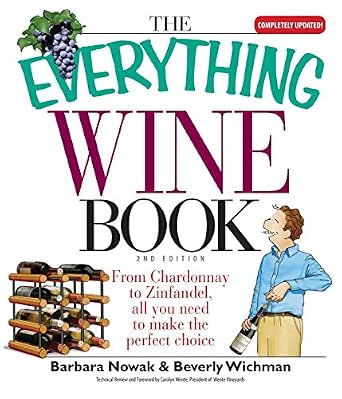 | Best for Casual Shoppers | Format: Paperback | Series: Everything Series | Focus: Buying Guide | VIEW LATEST PRICE | See Our Full Breakdown |
| The Everything Wine Book: A Complete Guide to the World of Wine |  | Best Balanced Beginner Guide | Format: Paperback | Series: Everything Series | Coverage: Global Regions & Varietals | VIEW LATEST PRICE | See Our Full Breakdown |
| A Beginner’s Guide to Burgundy |  | Best Niche Starter | Region Focus: Burgundy, France | Primary Varietals: Pinot Noir, Chardonnay | Format: Kindle / Digital | VIEW LATEST PRICE | See Our Full Breakdown |
| 101 Wines to Try Before You Die |  | Best for Curated Discovery | Format: Hardcover Book | Content Type: Curated List | Scope: Global Wines | VIEW LATEST PRICE | See Our Full Breakdown |
| How to Drink Wine: The Easiest Way to Learn What You Like |  | Best for Building Tasting Confidence | Format: Paperback Book | Focus: Personal Taste Discovery | Tools Included: Flavor Charts | VIEW LATEST PRICE | See Our Full Breakdown |
| Wine Simple: A Totally Approachable Guide from a World-Class Sommelier |  | Best for Professional Insight | Author Credential: World-Class Sommelier | Format: Hardcover Book | Tone: Approachable | VIEW LATEST PRICE | See Our Full Breakdown |
| Rebel School of Wine: A Modern Wine Guide for Beginners |  | Best for Modern Basics | Format: Book | Audience: Beginners | Topics: Regions, Varietals, Pairings | VIEW LATEST PRICE | See Our Full Breakdown |
| Wine Folly: The Essential Guide to Wine |  | Best Visual Reference | Product Type: Book | Design Style: Infographic-Heavy | Primary Use: Reference Tool | VIEW LATEST PRICE | See Our Full Breakdown |
| Wine Folly: Magnum Edition: The Master Guide |  | Best for Visual Learners | Format: Hardcover | Focus: Visual Reference | Style: Infographic-Heavy | VIEW LATEST PRICE | See Our Full Breakdown |
| Wine for Beginners: The Ultimate Wine Book on Tasting, Varietals, and More |  | Best Entry-Level Primer | Focus: Tasting Techniques | Level: Absolute Beginner | Content: Varietals and Tasting | VIEW LATEST PRICE | See Our Full Breakdown |
| Kevin Zraly Windows on the World Complete Wine Course: Revised & Updated (35th Edition) |  | Best Comprehensive Course | Edition: 35th | Author: Kevin Zraly | Format: Paperback | VIEW LATEST PRICE | See Our Full Breakdown |
| wines for beginner | Format |
|---|---|
| The Sommelier’s Atlas of Taste | Hardcover |
| The Wine Bible | — |
| The Everything Wine Book: From | Paperback |
| The Everything Wine Book: A Co | Paperback |
| A Beginner’s Guide to Burgundy | Kindle / Digital |
| 101 Wines to Try Before You Di | Hardcover Book |
| How to Drink Wine: The Easiest | Paperback Book |
| Wine Simple: A Totally Approac | Hardcover Book |
| Rebel School of Wine: A Modern | Book |
| Wine Folly: The Essential Guid | — |
| Wine Folly: Magnum Edition: Th | Hardcover |
| Wine for Beginners: The Ultima | Standard Paperback |
| Kevin Zraly Windows on the Wor | Paperback |
More Details on Our Top Picks
The Sommelier’s Atlas of Taste: A Field Guide to the Great Wines of Europe
This book stands out for its visual-first approach, using maps and infographics to explain European wine regions rather than relying on dense prose. Compared to The Wine Bible, which is text-heavy and academic, this guide breaks down complex terroir concepts into digestible visual chunks. It is ideal for beginners who struggle with traditional wine education formats but may feel too shallow for those seeking deep historical context. The tradeoff is a lack of detailed tasting notes for specific bottles, focusing instead on regional styles. It serves as a strong entry point for visual thinkers before they graduate to more comprehensive texts.Pros:- Uses maps and infographics to simplify complex geography
- Breaks down European regions into clear, visual categories
- Less intimidating than traditional academic wine texts
Cons:- Lacks depth in historical context for each region
- Limited guidance on specific bottle recommendations
- Focuses primarily on Europe, ignoring New World wines
Best for: Visual learners and map enthusiasts who prefer infographics over long-form reading.
Not ideal for: Readers who want extensive historical narratives or detailed bottle-by-bottle reviews.
- Format:Hardcover
- Publisher:Ten Speed Press
- Focus Region:Europe
- Visual Elements:Maps, Infographics
- Target Audience:Beginners to Intermediate
- Author Background:Sommelier
- Language:English
Our verdict“Choose this if you learn better by looking at maps and charts than by reading paragraphs.”
The Wine Bible, 3rd Edition
Karen MacNeil’s authoritative tone and exhaustive coverage make this the gold standard for serious students. Unlike The Everything Wine Book, which simplifies concepts for casual readers, this edition dives deep into viticulture, history, and specific producer profiles. It is a massive volume that serves as a lifetime reference, but the sheer density can intimidate absolute novices. The tradeoff is accessibility; while it provides unmatched detail, it requires more effort to navigate. This is the book to buy if you plan to study wine seriously, rather than just picking up a bottle at the grocery store.Pros:- Unmatched depth of coverage for regions and varietals
- Includes detailed food pairing principles
- Updated with modern tasting techniques and trends
Cons:- Dense text can overwhelm true beginners
- Physical size makes it difficult to read casually
- Expensive compared to introductory guides
Best for: Serious students and professionals who need a detailed, encyclopedic reference.
Not ideal for: Casual drinkers who want quick tips without wading through hundreds of pages of history.
- Edition:3rd Edition
- Publisher:Workman Publishing
- Content Type:Encyclopedic Guide
- Key Features:Charts, Tasting Notes, History
- Author:Karen MacNeil
- Target Audience:Enthusiasts and Professionals
- Scope:Global
Our verdict“This is the definitive reference for those committed to mastering wine theory.”
The Everything Wine Book: From Chardonnay to Zinfandel, All You Need to Make the Perfect Choice
This title strips away the snobbery often found in wine literature, focusing on practical purchasing decisions. Compared to The Sommelier’s Atlas, which teaches you about land, this book teaches you about labels. It is designed for the person standing in a liquor store aisle who needs to know which Chardonnay will pair with dinner tonight. The tradeoff is a lack of theoretical depth; you will learn what to buy, but not necessarily why the wine tastes the way it does. It is a utilitarian tool rather than an educational journey, perfect for quick answers.Pros:- Directly addresses common consumer questions
- Simplifies varietal differences for quick decision-making
- Focuses on practical food pairings over theory
Cons:- Lacks depth on wine regions and history
- Does not explain tasting mechanics in detail
- May feel too basic for those with prior knowledge
Best for: Everyday shoppers who want simple, actionable advice for buying wine.
Not ideal for: Those seeking to understand winemaking processes or regional terroir.
- Format:Paperback
- Series:Everything Series
- Focus:Buying Guide
- Content Style:Q&A / Practical
- Target Audience:Casual Consumers
- Publisher:Adams Media
- Scope:Varietals & Pairings
Our verdict“Grab this if you just want to buy the right bottle without a lecture.”
The Everything Wine Book: A Complete Guide to the World of Wine
While the earlier edition focuses on shopping, this updated comprehensive guide bridges the gap between buying and understanding. It offers more context than The Everything Wine Book: From Chardonnay to Zinfandel, covering regions and tasting fundamentals alongside practical tips. The layout uses charts and tables to organize information, making it less dense than The Wine Bible. However, because it tries to cover everything, some sections feel rushed. It is a strong middle-ground option for beginners who want to understand the ‘why’ behind their ‘what’, without committing to a massive textbook.Pros:- Balances regional history with practical tasting tips
- Uses clear charts and tables for easy reference
- Covers both Old World and New World regions
Cons:- Can feel overwhelming due to breadth of topics
- Printed content may become outdated quickly
- Lacks the narrative charm of specialized guides
Best for: Beginners who want a mix of theory and practical advice without overwhelming detail.
Not ideal for: Experts looking for nuanced, advanced viticulture discussions.
- Format:Paperback
- Series:Everything Series
- Coverage:Global Regions & Varietals
- Features:Charts, Tasting Techniques
- Target Audience:Beginners to Enthusiasts
- Publisher:Adams Media
- Content Depth:Intermediate
Our verdict“A solid all-rounder for those starting their wine journey from scratch.”
A Beginner’s Guide to Burgundy
Burgundy is notoriously complex, and this guide tackles that specific challenge head-on. Unlike The Wine Bible, which covers Burgundy as just one chapter among many, this book dedicates its entire volume to decoding the region’s confusing hierarchy. It is excellent for beginners who specifically want to understand Pinot Noir and Chardonnay at a high level. The tradeoff is narrow scope; if you prefer Cabernet Sauvignon or Riesling, this book offers no value. It is a specialized tool for those curious about why Burgundy commands such prestige and price, demystifying the village and vineyard classifications.Pros:- Simplifies the complex Burgundy classification system
- Explains the value proposition of Burgundy wines
- Provides clear guidance on navigating regional labels
Cons:- Extremely narrow focus on a single region
- Assumes some basic wine knowledge already exists
- Does not cover other major world wine regions
Best for: Curious beginners specifically interested in French Pinot Noir and Chardonnay.
Not ideal for: Drinkers who prefer other regions or varietals like Bordeaux or Napa.
- Region Focus:Burgundy, France
- Primary Varietals:Pinot Noir, Chardonnay
- Format:Kindle / Digital
- Target Audience:Beginners
- Content Type:Regional Guide
- Complexity Level:Introductory
- Language:English
Our verdict“The perfect starting point if you are intrigued by Burgundy but confused by it.”
101 Wines to Try Before You Die
This book serves as a bucket list for wine lovers rather than a technical manual. Unlike How to Drink Wine, which focuses on technique, this guide provides a specific roadmap of notable bottles from around the world. It helps beginners bypass decision paralysis by offering a clear, curated path through global varieties. The tasting notes are accessible, helping readers connect specific bottles to flavor profiles without requiring prior knowledge. However, it lacks the depth of a textbook like The Wine Bible, meaning it won’t teach you the science behind fermentation or soil types. It is best used as a shopping list companion, guiding you toward memorable experiences rather than academic study.
Pros:- Provides a clear, curated list of must-try bottles
- Reduces decision fatigue for new buyers
- Includes accessible tasting notes for each wine
Cons:- Lacks technical depth on wine production
- May not cover niche or emerging regions in detail
Best for: Beginners who feel overwhelmed by choices and want a specific list of bottles to buy and try.
Not ideal for: Readers seeking deep educational content on viticulture or winemaking processes.
- Format:Hardcover Book
- Content Type:Curated List
- Scope:Global Wines
- Difficulty Level:Beginner to Intermediate
- Primary Feature:Tasting Notes
- Structure:101 Entries
Our verdict“A practical shopping guide that turns abstract wine knowledge into concrete bottle recommendations.”
How to Drink Wine: The Easiest Way to Learn What You Like
This guide prioritizes personal preference over rigid rules. While Rebel School of Wine covers broad regions and pairings, this book focuses intensely on helping you identify your own palate. It uses simple tasting techniques and clear flavor charts to demystify the process of selecting wine. The language is exceptionally accessible, stripping away intimidation for those who feel out of place in wine shops. Compared to Wine Simple, it offers more interactive tools for self-assessment, making it a better fit for active learners. The tradeoff is that advanced enthusiasts may find the content superficial, as it avoids complex regional nuances in favor of foundational self-discovery.
Pros:- Clear, step-by-step tasting instructions
- Helpful visual charts for flavor identification
- Focuses on building personal confidence
Cons:- Limited depth for advanced wine enthusiasts
- Less comprehensive on global wine regions
Best for: Complete novices who struggle to articulate what they like and need a framework for self-discovery.
Not ideal for: Intermediate drinkers who already know their preferences and want regional deep dives.
- Format:Paperback Book
- Focus:Personal Taste Discovery
- Tools Included:Flavor Charts
- Instruction Style:Step-by-Step
- Target Audience:Absolute Beginners
- Key Benefit:Confidence Building
Our verdict“The ideal starting point for anyone who wants to stop guessing and start knowing their own taste.”
Wine Simple: A Totally Approachable Guide from a World-Class Sommelier
Written by a world-class sommelier, this book bridges the gap between expert knowledge and casual drinking. It stands apart from How to Drink Wine by offering the authority of professional experience, yet it maintains a conversational tone that avoids elitism. The guide demystifies the service aspects of wine, offering tips that are useful for hosting or dining out. While it shares the beginner-friendly approach of Rebel School of Wine, it leans more heavily into the perspective of the expert, providing context that purely beginner-focused books might miss. The drawback is that some readers might find the sommelier-centric anecdotes less relevant if they are only interested in buying bottles for home consumption.
Pros:- Authored by a recognized expert
- Approachable and non-intimidating tone
- Offers practical service and hosting tips
Cons:- Less focused on specific bottle recommendations
- May lack the interactive exercises found in other guides
Best for: Beginners who want to understand the ‘why’ behind wine choices from a professional’s perspective.
Not ideal for: Those looking for a strict technical manual or extensive regional maps.
- Author Credential:World-Class Sommelier
- Format:Hardcover Book
- Tone:Approachable
- Focus:General Wine Education
- Audience:Beginners to Casual Drinkers
- Key Feature:Expert Perspective
Our verdict“A trustworthy, expert-backed primer that makes high-level wine concepts feel accessible.”
Rebel School of Wine: A Modern Wine Guide for Beginners
This guide takes a modern, no-nonsense approach to wine education. It covers essential topics like wine regions, grape varieties, and food pairings in a way that feels current and unpretentious. Compared to 101 Wines to Try Before You Die, this book provides the structural knowledge needed to understand why certain wines taste the way they do, rather than just listing bottles. It excels at teaching you how to choose bottles on your own, empowering you to navigate wine lists with confidence. The limitation is its strict beginner focus; it does not offer the advanced tasting frameworks or deep regional histories found in comprehensive texts like The Wine Bible.
Pros:- Covers essential regions and varieties clearly
- Includes practical food pairing guidance
- Teaches how to select bottles independently
Cons:- Focused strictly on beginner-level guidance
- Lacks advanced tasting techniques
Best for: Younger or modern-minded beginners who want a quick, practical overview of wine fundamentals.
Not ideal for: Readers seeking exhaustive encyclopedic details or advanced sommelier-level theory.
- Format:Book
- Audience:Beginners
- Topics:Regions, Varietals, Pairings
- Style:Modern
- Primary Goal:Choosing Bottles
- Depth:Foundational
Our verdict“A streamlined, modern primer that gets you up to speed quickly without unnecessary fluff.”
Wine Folly: The Essential Guide to Wine
Known for its infographic-heavy design, this book is a visual powerhouse. Unlike the text-heavy Rebel School of Wine, Wine Folly uses charts and diagrams to explain complex concepts like acidity, tannins, and flavor profiles. This makes it an excellent reference tool for quick lookups while shopping or dining. It simplifies the world of wine into digestible visual segments, helping beginners grasp relationships between grapes and tastes instantly. However, it is less of a narrative guide than How to Drink Wine, meaning it may not hold a reader’s attention through a linear reading session. It is best kept on the shelf for quick reference rather than cover-to-cover study.
Pros:- Highly visual with clear infographics
- Excellent for quick flavor profile lookups
- Simplifies complex concepts into charts
Cons:- Less narrative depth than traditional guides
- Can feel fragmented for linear reading
Best for: Visual learners and those who prefer quick-reference charts over long-form text.
Not ideal for: Readers who prefer narrative storytelling or deep-dive essays on wine history.
- Product Type:Book
- Design Style:Infographic-Heavy
- Primary Use:Reference Tool
- Content Focus:Flavor Profiles
- Audience:Visual Learners
- Format Feature:Charts and Diagrams
Our verdict“The ultimate desk reference for visually mapping out the wine world at a glance.”
Wine Folly: Magnum Edition: The Master Guide
This large-format guide stands out for its heavy reliance on infographics and visual hierarchy, making it ideal for those who process information better through diagrams than dense text. Compared to the Kevin Zraly Complete Wine Course, which leans heavily into narrative and historical context, Wine Folly strips away the fluff to present a quick-reference structure that allows you to identify flavor profiles at a glance. However, this visual-first approach comes with a tradeoff: it lacks the deep historical context found in The Wine Bible, meaning you might understand what you are tasting but not why the region produces it that way. It is less a textbook and more a highly detailed map of the wine world, perfect for navigating a menu but potentially shallow for those seeking academic rigor.
Pros:- Heavy use of infographics makes complex flavor profiles easy to visualize
- Large format allows for clear, readable maps and charts
- Structured layout enables quick lookups during wine shopping
Cons:- Lacks the deep historical and cultural context found in narrative guides
- Can feel superficial for those seeking advanced viticulture details
Best for: Visual learners who need a quick-reference tool for identifying grape varieties and regions while shopping or dining.
Not ideal for: Readers who prefer deep historical narratives or academic depth over visual summaries and quick facts.
- Format:Hardcover
- Focus:Visual Reference
- Style:Infographic-Heavy
- Depth:Introductory to Intermediate
- Usability:Quick Reference
- Publisher:Ten Speed Press
Our verdict“Choose this if you want a visual cheat sheet to navigate wine shelves, not a history lesson.”
Wine for Beginners: The Ultimate Wine Book on Tasting, Varietals, and More
This title serves as a straightforward primer for those intimidated by wine jargon, focusing heavily on the mechanics of tasting and basic varietal identification. Unlike the Wine Folly: Magnum Edition, which prioritizes visual data, this book emphasizes step-by-step tasting techniques and sensory vocabulary, helping you articulate what you taste rather than just categorizing it. It is less comprehensive than The Everything Wine Book regarding global regions but excels in building confidence for the novice palate. The tradeoff is a lack of advanced pairing strategies or deep regional breakdowns, making it a starting point rather than a destination. It is best used as a companion to drinking, encouraging active engagement with the glass rather than passive reading.
Pros:- Focuses on practical tasting techniques and sensory vocabulary
- Simplifies varietal identification for absolute beginners
- Accessible language reduces the intimidation factor of wine culture
Cons:- Lacks detailed regional history and viticulture specifics
- Limited advanced content for those beyond the basics
Best for: Complete novices who need help developing a vocabulary for describing flavors and aromas.
Not ideal for: Intermediate drinkers looking for detailed regional history or advanced food pairing logic.
- Focus:Tasting Techniques
- Level:Absolute Beginner
- Content:Varietals and Tasting
- Format:Standard Paperback
- Approach:Practical Application
- Scope:Fundamentals
Our verdict“Pick this up if you know you like wine but struggle to describe why.”
Kevin Zraly Windows on the World Complete Wine Course: Revised & Updated (35th Edition)
As the 35th edition of a long-standing classic, this book offers the most structured educational path in the lineup, mimicking a formal wine course with quizzes and detailed region breakdowns. It contrasts sharply with the Wine for Beginners primer by offering significant depth on viticulture and winemaking processes, making it suitable for those who want to understand the science behind the glass. However, its text-heavy density can be overwhelming compared to the visual ease of Wine Folly, requiring more time and commitment to digest. While it includes updated maps and current industry trends, the sheer volume of information may frustrate casual drinkers looking for quick answers. It is a serious investment in knowledge, not a casual browse.
Pros:- Structured course format with quizzes and progressive learning
- Updated maps and current industry trends in the 35th edition
- Deep coverage of viticulture and winemaking processes
Cons:- Dense text can be overwhelming for casual readers
- Lacks the visual accessibility of infographic-based guides
Best for: Serious learners who want a structured, course-like education with quizzes and deep regional analysis.
Not ideal for: Casual drinkers who want quick, visual answers without committing to heavy reading.
- Edition:35th
- Author:Kevin Zraly
- Format:Paperback
- Structure:Course-Based
- Features:Quizzes and Maps
- Depth:Comprehensive
- Updates:Current Industry Trends
Our verdict“Select this if you are ready to study wine seriously, not just casually drink it.”

How We Picked
I evaluated these books based on accessibility, accuracy, and practical utility. Accessibility measured how quickly a novice could grasp core concepts without feeling overwhelmed by jargon or history. Accuracy ensured that the information reflected current winemaking trends and regional classifications, not outdated stereotypes. Practical utility focused on whether the book helps a reader make better purchasing decisions or improve their tasting skills in real time.
The ranking logic prioritizes books that bridge the gap between theory and the wine aisle. Titles that offer actionable advice, such as how to read a label or identify flavor notes, ranked higher than purely historical or encyclopedic works. I also considered design and layout, as cluttered pages hinder the learning process for those new to the subject.
Factors to Consider When Choosing Best Wines For Beginners
Selecting the right wine book requires matching the content format to your specific learning goals. The market is saturated with titles that promise expertise but deliver dense, unreadable text. This section outlines the key factors to weigh before purchasing to avoid buyer’s remorse and wasted shelf space.
Visual vs. Textual Learning Styles
Wine is a sensory experience, yet many traditional books rely solely on dense paragraphs to describe it. If you struggle to visualize flavor profiles, books like Wine Folly use color-coded charts and maps to connect geography with taste. Conversely, if you prefer narrative context and historical background, The Wine Bible provides the storytelling that visual guides often lack. Assess how you consumed other hobbyist books; if you skipped the text to look at the pictures, you will likely find text-heavy wine books frustrating. A mismatch here is the most common reason beginners abandon their wine education.
Generalist vs. Specialist Focus
Beginners often make the mistake of buying a book dedicated to a single region, such as A Beginner’s Guide to Burgundy, before understanding basic varietals. This approach leads to confusion when encountering wines from other areas. Start with a generalist guide that covers the major grapes and regions globally. Once you identify a favorite style or region, then invest in a specialist text. Generalist books provide the framework needed to appreciate the nuances found in specialized guides, preventing the novice from feeling lost in micro-details.
Practical Application vs. Historical Theory
Some books read like history lessons, detailing the lineage of noble families and centuries of tradition. While interesting, this information rarely helps you choose a bottle at a grocery store. Look for books that include sections on how to read labels, how to store wine, and how to order from a restaurant list. How to Drink Wine excels here by focusing on the act of consumption rather than the academic study of viticulture. Prioritize utility over prestige if your goal is to enjoy wine more often with less anxiety.
Tone and Approachability
The wine industry has a reputation for elitism, and some older texts reinforce this through rigid rules about pairings and decanting. Modern titles like Rebel School of Wine actively dismantle these barriers, encouraging experimentation and personal preference. If you feel intimidated by wine culture, choose a book with a conversational, irreverent tone. A stiff, academic tone may alienate new drinkers, making the hobby feel like homework rather than leisure. Your comfort level with the author’s voice determines whether you will finish the book or let it gather dust.
Currency of Information
The wine world changes rapidly with new regions emerging and climate impacts shifting harvest dates. A book published twenty years ago may list regions that are no longer producing quality wines or miss entirely new trends like natural wines. Check the publication date and edition number. Kevin Zraly’s revised editions are updated regularly, ensuring the advice remains relevant to current market availability. Outdated guides can lead to frustrating shopping experiences when recommended bottles are no longer in stock or have changed style dramatically.
Frequently Asked Questions
Do I need a book to enjoy wine, or can I just drink what I like?
You absolutely do not need a book to enjoy wine, as personal preference is the only metric that matters for pleasure. However, a guide accelerates the discovery process by helping you articulate why you prefer certain bottles. Without a framework, you may spend years drinking random bottles without understanding your palate’s patterns. A book provides the vocabulary to communicate your preferences to sommeliers or shop owners, leading to better recommendations. It transforms wine from a random gamble into a curated hobby, though it is not a prerequisite for enjoyment.
Is it better to buy a cheap wine or a good book to start?
This depends on your budget and learning style, but a good book offers a higher return on investment for long-term enjoyment. Cheap wines often lack the complexity to teach you about tannins, acidity, or terroir, reinforcing a belief that wine is simple or uninteresting. A well-written guide teaches you how to evaluate even inexpensive bottles, helping you find hidden gems. Conversely, if you already have a decent palate but lack context, a book clarifies what you are tasting. I recommend pairing a mid-range book with a few diverse, mid-priced bottles rather than spending all funds on one expensive bottle.
Can I use these books to learn about natural or organic wines?
Most traditional beginner guides focus on conventional winemaking methods, which may leave you confused by natural wine terminology. Newer titles like Rebel School of Wine or updated editions of Wine Folly have begun to address these styles, but coverage varies. If natural wine is your primary interest, you may need a specialized supplement or online resource alongside a general guide. Traditional books often view natural wines through a critical lens, focusing on faults like Brettanomyces rather than celebrating their unique characteristics. Check the table of contents for keywords like ‘natural,’ ‘biodynamic,’ or ‘low-intervention’ before buying.
Are digital versions of these wine books as useful as physical copies?
Physical copies are generally superior for wine books due to the need for frequent referencing and spatial layout. Infographics and maps in books like The Sommelier’s Atlas often lose clarity on small screens or require awkward zooming. Flipping between chapters to compare regions is also faster with a physical book. However, digital versions are useful for travel or if you prefer searching for specific terms quickly. If you plan to use the book as a reference tool during shopping trips or dinners, the physical format is significantly more practical and less distracting.
How do I know if a wine book is too advanced for a beginner?
Check for the density of specific terminology in the introduction or glossary. If the first chapter focuses heavily on soil composition, fermentation chemistry, or obscure regional sub-appellations without first defining basic varietals, it is likely too advanced. Beginner-friendly books start with major grapes like Cabernet Sauvignon or Chardonnay before moving to regions. They also use analogies related to food or everyday flavors to explain abstract concepts. If the tone feels like a university lecture rather than a friendly conversation, it may be better suited for intermediate enthusiasts.
Conclusion
Choosing the right resource depends entirely on your current knowledge level and learning preferences. For the Best Overall balance of visual aid and text, Wine Folly: The Essential Guide to Wine remains the standout choice for most novices. If you prefer Best Value and a no-nonsense approach to tasting, How to Drink Wine offers exceptional utility without the fluff. For those seeking a Best Premium experience that doubles as a coffee table piece and a deep dive, The Wine Bible provides unmatched depth and narrative charm. Beginners who feel intimidated by wine snobbery should look to Rebel School of Wine as the Best for Modern Learners, as it validates personal taste over rigid rules. Ultimately, the best book is the one you will actually read and reference while standing in the wine aisle.