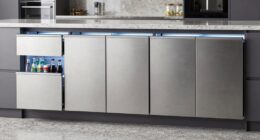
A home bar is more than a shelf of bottles. It can be a quiet corner for an evening drink, a creative space for experimenting with flavors, or the center of a lively gathering. Building one well means balancing atmosphere, storage, preparation, serving, and the way you actually like to entertain. The best setup is not necessarily the largest or most elaborate; it is the one that makes drinks easier to prepare and guests more comfortable.
This hub offers a practical orientation to the home bar lifestyle, from choosing a location and organizing essentials to exploring carbonation, infusion, smoke, specialty ice, and portable service. Use it to identify what matters for your space, then follow the linked guides when you are ready to compare equipment in a particular category.
Start with the Experience You Want
Before buying equipment, imagine how the bar will be used. A compact bedroom or studio bar has different requirements from a patio station, a cocktail cart, or a dedicated entertainment room. Think about the drinks you prepare most often, how many people you usually serve, and how much cleanup you are willing to handle afterward.
A simple personal bar
For occasional drinks, begin with versatile basics: a few suitable glasses, a jigger, a shaker or mixing glass, a bar spoon, an opener, and accessible ice. Keep the setup restrained so it remains easy to maintain. If the bar sits near a sleeping or working area, sound and footprint become especially important. A compact refrigeration option can reduce trips to the kitchen, and the guide to quiet mini fridges for bedroom bars explores models intended for spaces where noise deserves careful consideration.
A social hosting station
Frequent hosts benefit from a layout that supports several drinks in sequence. Create separate zones for bottles, tools, ice, glassware, garnishes, and finished drinks. Guests should be able to collect water or a nonalcoholic option without entering the preparation area. A clear workflow reduces congestion and gives the host more time to participate in the gathering.
A creative cocktail workshop
If experimentation is the main attraction, reserve room for specialty ingredients and techniques. Infused spirits, smoke, fresh carbonation, and varied ice textures can each change a drink’s aroma, flavor, dilution, or presentation. Add these capabilities gradually. One technique used confidently is more useful than several appliances that rarely leave storage.

ARTFLY Cocktail Shaker Set, 18-Piece Bartender Kit with Acrylic Stand, 18/8 Stainless Steel Bar Set with Martini Shaker, Jigger, Muddler & Recipe Book for Home Bar
- Complete 18-Piece Bartender Kit: Includes all essential tools for cocktails
- Acrylic Stand for Organization: Keeps tools visible, tidy, and accessible
- Durable 18/8 Stainless Steel: Rust-resistant, easy to clean, dishwasher safe
As an affiliate, we earn on qualifying purchases.
As an affiliate, we earn on qualifying purchases.
Plan the Space Before the Gear
Choose a stable surface with sufficient light and access to power if refrigeration or appliances are involved. Water access is convenient but not essential when a tray or removable bin can contain drips. Protect surfaces that may react poorly to moisture, citrus, or spills, and keep electrical cords away from wet preparation zones.
Measure the available width, depth, and overhead clearance. Appliance dimensions alone do not tell the whole story: doors, lids, ventilation space, handles, and removable containers may require additional room. Also map the route from storage to preparation to serving. Frequently used items belong within easy reach, while occasional tools can occupy higher shelves or closed cabinets.
Build around a few functional zones
- A storage zone for bottles, unopened mixers, and backup supplies.
- A cold zone for chilled ingredients, garnishes, and ready-to-serve beverages.
- A preparation zone with enough clear surface for measuring, mixing, and finishing.
- A glassware zone protected from crowded bottle storage and unstable stacking.
- A cleanup zone for used tools, napkins, spills, and items returning to the kitchen.
These zones can fit on one cart or extend across a full room. What matters is their relationship. Avoid placing fragile glasses where elbows naturally pass, and do not let decorative objects consume the surface needed for actual drink preparation.

Frigidaire EFR176 1.6 cu. ft. Retro Bar Fridge with Side Bottle Opener (Blue)
- Retro Charm: Stylish small retro fridge design
- Compact Size: Fits in bedrooms, offices, dorms
- Spacious Capacity: 1.6 cu. ft. storage space
As an affiliate, we earn on qualifying purchases.
As an affiliate, we earn on qualifying purchases.
Refrigeration and Cold Storage
Cold storage often determines how smoothly a home bar functions. Chilled mixers, sparkling water, wine, canned drinks, and prepared garnishes can quickly overwhelm a household refrigerator. A separate unit may help, but only when its size and purpose match the bar.
For a large collection or a high-volume entertaining area, explore the guide to commercial bottle cooler fridges. Consider available floor space, door style, ventilation requirements, shelf configuration, and the types of containers you plan to store. Commercially oriented equipment may demand more space and power than a casual home setup needs, so measure carefully and check the manufacturer’s installation guidance.
Smaller bars should prioritize efficient organization. Group ingredients by use rather than appearance: everyday mixers together, garnishes in sealed containers, and backup beverages behind current stock. Label homemade syrups and perishable ingredients with preparation dates. Regularly remove anything past its useful condition so the cold zone remains dependable.

OBALY Glass Cocktail Shaker Set Mixing Bar Tools
- Glass Cocktail Shaker Set: Includes muddler, spoon, jigger, and recipes
- Precise Measurement: Clear glass with measurement scales
- Large Capacity: 22-ounce shaker for personal use
As an affiliate, we earn on qualifying purchases.
As an affiliate, we earn on qualifying purchases.
Preserving and Serving Wine
Wine service creates a particular challenge because opening a bottle starts a process of exposure to oxygen. If you regularly pour a single glass, compare approaches designed to limit waste and simplify dispensing. The overview of automatic wine preservation dispensers is a useful next step for understanding the available format.
Think about how frequently you open wine, how many bottles you want available at once, and whether the device will remain on display. Cleaning requirements and compatibility with the bottles you typically buy are as important as appearance. Even with preservation equipment, follow the relevant instructions for storage and food-safe maintenance rather than assuming every wine will remain unchanged for the same period.

Rokz Mojito Spirit Infusion Bottle for Cocktails, 16 Ounce
- Easy Rum Infusion: Add rum and infuse for 2-4 days
- Flavorful Blend: Cranberries, hop flowers, citrus
- Enhanced Mojitos: Elevate your cocktail experience
As an affiliate, we earn on qualifying purchases.
As an affiliate, we earn on qualifying purchases.
Carbonation and Nonalcoholic Drinks
A well-rounded bar should make alcohol-free choices feel intentional rather than secondary. Chilled water, citrus, herbs, tea, syrups, and carbonated mixers can support a broad menu. Fresh bubbles also introduce texture and lift without requiring a complicated recipe.
If sparkling drinks are a major part of your routine, consult the guide to countertop carbonation machines. Compare the machine’s footprint, compatible containers, gas system, cleaning process, and the liquids its instructions permit you to carbonate. Some devices are designed for water only, so manufacturer guidance matters when experimenting.
For gatherings, offer at least one appealing alcohol-free drink and keep water visible. A simple menu might include a sparkling citrus drink, a spirit-forward cocktail, and an easy highball. Shared garnishes can connect the choices visually while allowing guests to select the strength and style they prefer.
Infusion, Smoke, and Flavor Experimentation
Specialty techniques are most rewarding when they serve a clear flavor idea. Start with a familiar base drink, change one variable, and record the ingredients and timing. This makes it easier to distinguish a successful combination from novelty.
Infusing whiskey
Infusion can introduce spice, fruit, botanical, or toasted notes, but balance depends on ingredient intensity and contact time. The guide to deluxe whiskey infusion kits covers equipment aimed at this kind of experimentation. Use food-safe ingredients, work in small batches, label each batch, and taste at intervals rather than leaving an infusion unattended for an arbitrary period.
Adding aromatic smoke
Smoke primarily changes aroma and presentation, and a small amount can have a pronounced effect. If that technique fits your hosting style, review the guide to smoking cloche sets for cocktails. Use smoking equipment only as directed, maintain ventilation, keep heat away from flammable materials, and never let theatrical presentation replace basic fire safety.
Choose wood or other approved smoking material with the drink’s existing profile in mind. A short aromatic treatment may complement a robust cocktail, while a delicate drink can be overwhelmed. Serve promptly so the guest experiences the aroma at the intended moment.
Ice as an Ingredient
Ice affects temperature, dilution, texture, and appearance. Large pieces tend to suit drinks intended for slower sipping, while smaller pieces chill quickly and integrate differently with shaken or blended preparations. Consistency matters more than elaborate shapes: clean ice, sensible portions, and enough supply for the guest count will improve service.
Shaved ice creates a distinctive texture for tropical, dessert-like, and refreshing drinks. For equipment options, see the guide to shaved ice machines for cocktails. Before choosing one, consider output, counter space, cleaning access, and whether you will use it often enough to justify dedicated storage.
Prepare ice in advance, store it away from strongly scented foods, and use a scoop or tongs rather than hands. For a larger gathering, estimate generously because ice may be needed for preparation, serving, and chilling bottles or cans.
Portable Drinks and Outdoor Entertaining
Outdoor service introduces heat, travel, uneven surfaces, and fewer cleanup facilities. Simplify the menu and prepare as much as possible before leaving the kitchen. Batch compatible ingredients, pack garnishes in sealed containers, bring ample water, and use unbreakable serving vessels where appropriate.
For draft beverages or keg-based gatherings, temperature control becomes part of the logistics. The guide to insulated keg cooler bags can help you examine portable cooling formats. Confirm fit, carrying practicality, insulation arrangement, and the needs of your particular keg and dispensing system.
- Pack tools in a small container so nothing sharp or fragile moves freely.
- Separate clean items from used utensils and sticky waste.
- Bring more drinking water than you expect to need.
- Keep perishable ingredients properly chilled.
- Plan safe transportation for everyone before serving alcohol.
Hosting with Style and Restraint
Atmosphere comes from coherence, not clutter. Choose a simple visual direction—warm wood, clean modern lines, vintage glassware, or bright tropical color—and repeat it through a few details. Lighting, music, napkins, and a tidy preparation area usually contribute more than an overloaded collection of themed accessories.
A short written menu can reduce indecision and help guests understand what is available. Mention prominent flavors and clearly identify alcohol-free choices. Ask about allergies and preferences rather than making assumptions. When serving alcohol, offer food and water, avoid pressuring anyone to drink, and respect a guest’s decision to stop or abstain.
Maintain a Bar That Is Ready to Use
The most enjoyable home bar is one that can be activated without a major cleanup project. After each use, wash tools according to their care instructions, wipe surfaces, empty meltwater, seal ingredients, and return bottles to stable storage. Follow manufacturer guidance for appliance cleaning, gas systems, filters, blades, refrigeration, and electrical components.
Once a month, review perishable ingredients, inspect frequently used tools, and note supplies that need replacement. Keep the collection aligned with your habits. If a bottle, gadget, or decorative item has no clear role, move it out of the primary work zone.
Build Your Home Bar in Stages
Begin with the drinks you already enjoy and a functional surface. Add cold storage if repeated trips to the kitchen are the main inconvenience. Explore carbonation for sparkling menus, preservation for regular by-the-glass wine service, or portable cooling for outdoor gatherings. Infusion, smoke, and shaved ice make sense when they support techniques you genuinely want to practice.
A thoughtful home bar evolves with its owner. By focusing first on workflow, safety, maintenance, and hospitality, you create a foundation that works whether the evening calls for a quiet pour, an alcohol-free sparkling drink, or a full cocktail gathering.