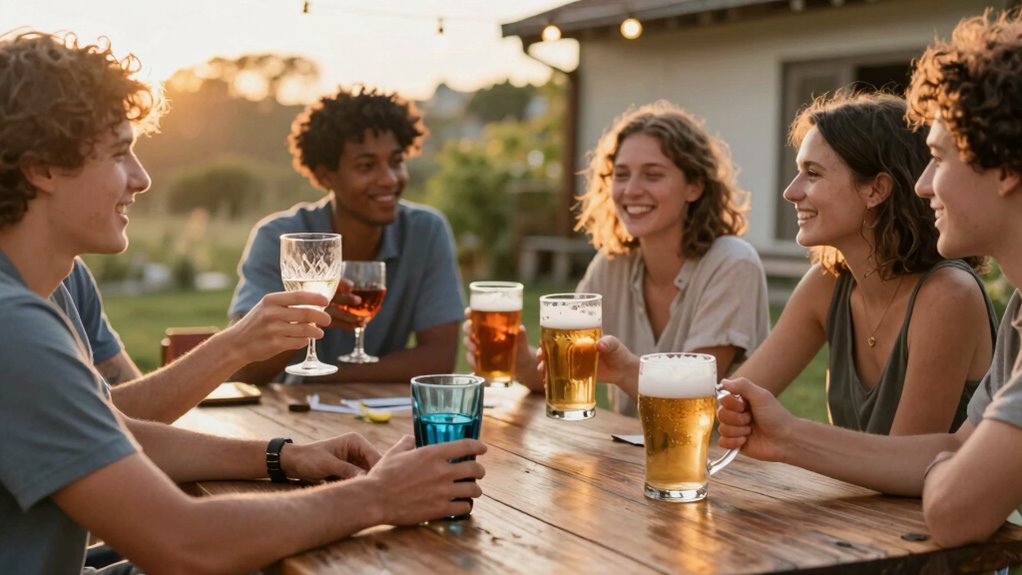

When talking about drinking goals, focus on understanding and respecting individual choices without criticizing or judging. Use a non-judgmental tone, listen actively, and show empathy to create a safe space for open conversation. Encourage honesty about personal goals and be flexible with plans. Remember, fostering supportive environments helps others feel comfortable sharing. If you want to learn more about having compassionate and meaningful discussions about alcohol, keep exploring these helpful strategies.

Get the little things that make your day delivered free with Prime
- Fast, free delivery on millions of items
- Prime Video, Amazon Music and more included
- Member-only deals all year
Key Takeaways
- Focus on personal experiences and goals rather than criticizing others’ choices.
- Use empathetic language to create a supportive, non-judgmental environment.
- Respect individual relationships with alcohol and avoid imposing opinions.
- Emphasize progress and moderation, not perfection, in conversations about drinking.
- Encourage open dialogue that prioritizes understanding and personal well-being.
**
Setting drinking goals can be a helpful way to manage your habits, but it’s important to do so without judgment. When you think about your alcohol consumption, focusing on what works best for you allows you to develop a healthier relationship with drinking. Instead of criticizing yourself or others, aim to set realistic goals that support alcohol moderation and responsible drinking. These goals aren’t about perfection; they’re about making conscious choices that fit your lifestyle and well-being.
Set realistic, compassionate goals to support responsible drinking and foster a healthier relationship with alcohol.
By establishing clear boundaries, you give yourself permission to enjoy alcohol without overdoing it. For some, that might mean limiting drinks to a certain number per week or avoiding drinking in certain situations. For others, it might involve choosing alcohol-free days or setting a cap on how many drinks they have in one sitting. Whatever your approach, the key is to prioritize moderation and stay mindful of how alcohol affects your body and mind. When you focus on responsible drinking, you’re more likely to enjoy social situations without feeling out of control or regretful afterward.
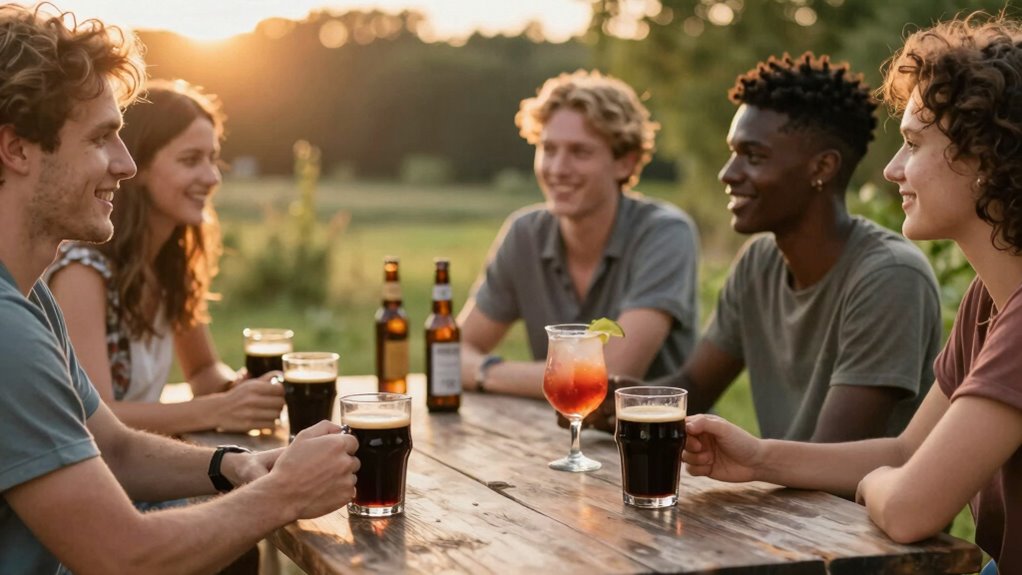
Talking about drinking goals without judgment becomes easier when you approach conversations with empathy. If someone shares their intentions to cut back or drink less, listen without criticizing or offering unsolicited advice. Respect their choices just as you want yours to be respected. Remember, everyone’s relationship with alcohol is personal, and what works for you might be different from what works for someone else. Encouraging a non-judgmental attitude fosters a supportive environment where you and others can openly discuss your goals without feeling shame or pressure.
Keeping your goals flexible rather than rigid helps you stay on track without feeling guilty if you slip up. If you find yourself drinking more than intended, instead of criticizing yourself, reflect on what led to that choice and adjust your plan accordingly. Responsible drinking isn’t about avoiding alcohol altogether but about being aware of your limits and making choices aligned with your values. It’s about creating a sustainable approach that promotes health and happiness.
In the end, talking about drinking goals with kindness and understanding allows you to build healthier habits while respecting others’ journeys. When you focus on alcohol moderation and responsible drinking, you empower yourself to enjoy social moments without guilt, and you set a positive example for those around you. Remember, the goal is progress, not perfection, and every step toward mindful drinking is a step toward a more balanced life.
Exploring digital concepts can also enhance your understanding of responsible drinking and encourage meaningful discussions about personal goals.
As an affiliate, we earn on qualifying purchases.
Frequently Asked Questions
How Can I Support Friends With Different Drinking Habits?
You can support friends with different drinking habits by respecting boundaries and being understanding of their choices. Encourage honesty about their comfort levels and listen without judgment. Offer alternative ways to socialize that don’t involve alcohol, and validate their decisions. Your support helps create a safe space where they feel accepted, empowering them to stay true to their drinking goals while knowing they’re respected and understood in your friendship.
What Are Common Reasons People Choose to Moderate Drinking?
You might find yourself wondering why people choose alcohol moderation—like avoiding a wild roller coaster for a safer, smoother ride. People often do it for health reasons, to stay energized, or because they want to enjoy life without losing control. Drinking motivations vary from personal wellness to social comfort. By understanding these reasons, you can support friends’ choices without judgment, making conversations about drinking goals more positive and respectful for everyone involved.
How Do Cultural Differences Influence Drinking Goals?
Cultural norms and drinking customs greatly influence your drinking goals, shaping how much and when you drink. In some cultures, moderate drinking is encouraged as part of social rituals, while others may emphasize abstinence or heavy drinking traditions. Your approach to drinking is often guided by these cultural influences, so understanding and respecting different customs helps you set realistic, personalized goals without judgment, fostering healthier habits aligned with your cultural context.
Can Setting Personal Drinking Goals Improve Mental Health?
Setting personal drinking goals is like planting seeds for mental wellness. When you practice mindful moderation, you nurture emotional resilience, helping you handle stress and setbacks better. Clear goals give you direction, preventing overindulgence that can cloud your mind. By focusing on your own needs, you build a healthier relationship with alcohol, ultimately boosting your mental health and fostering a stronger, more balanced you.
How Do I Handle Peer Pressure Around Drinking?
To handle peer pressure around drinking, stand firm and communicate your boundaries clearly. Recognize peer influence and remember it’s okay to say no without feeling guilty. You can suggest alternative activities that don’t involve alcohol, reinforcing your social boundaries. Surround yourself with supportive friends who respect your choices, and trust your instincts. Staying confident helps you maintain your goals and enjoy social situations without compromising your values.
As an affiliate, we earn on qualifying purchases.
Conclusion
Remember, your drinking goals are like a personal compass—guiding you through a sea of choices without steering others’ ships. When you approach your journey with understanding and compassion, you create a safe harbor for yourself and those around you. Embrace your path with gentle confidence, like a lighthouse guiding ships through fog. Ultimately, it’s your voyage—navigate it with kindness, and let judgment stay ashore, untouched by your harbor’s calm waters.
As an affiliate, we earn on qualifying purchases.
As an affiliate, we earn on qualifying purchases.
Fall Picks
fall essentials
As an affiliate, we earn on qualifying purchases.