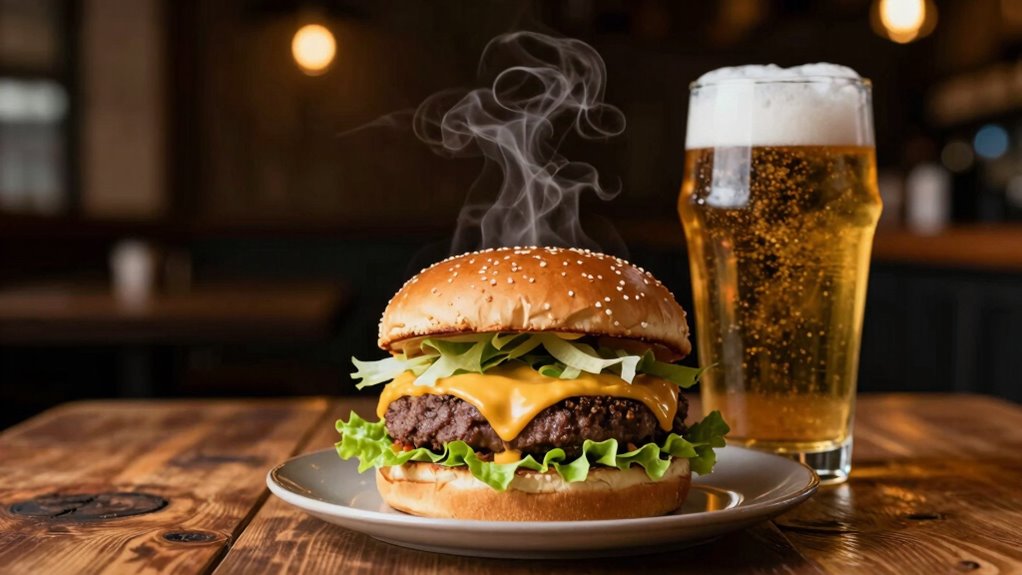

Eating before drinking slows alcohol absorption by delaying gastric emptying, which helps you stay in control and reduces stomach discomfort. The right timing—at least an hour beforehand—gives your body enough time to process the food, creating a buffer that lessens intoxication and side effects like nausea or dizziness. Choosing balanced, nutrient-rich foods further enhances this protective effect. To learn how your food choices and timing can make drinking more comfortable, keep exploring these helpful insights.

Get the little things that make your day delivered free with Prime
- Fast, free delivery on millions of items
- Prime Video, Amazon Music and more included
- Member-only deals all year
Key Takeaways
- Eating delays alcohol absorption by slowing gastric emptying, leading to a steadier blood alcohol level.
- Consuming food at least an hour before drinking allows digestion, creating a protective buffer.
- Proper timing reduces rapid intoxication and minimizes stomach irritation from alcohol.
- Balanced meals with fats, proteins, and carbs are more effective at slowing absorption than light snacks.
- Strategic eating helps manage alcohol’s effects, promoting responsible and comfortable drinking experiences.
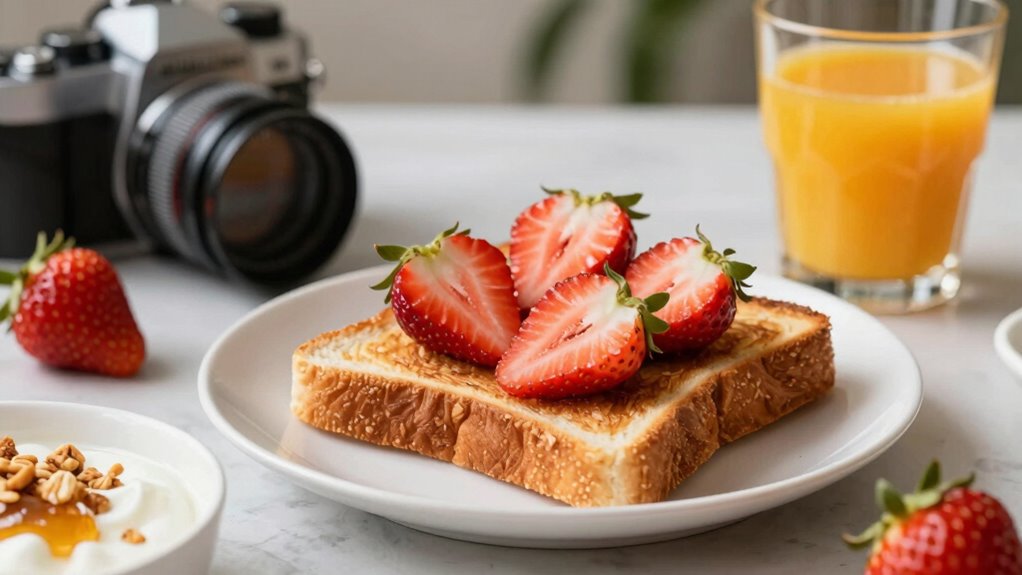
Many people overlook the importance of when they eat in relation to drinking alcohol, but timing can considerably influence how your body handles the effects. When you consume alcohol on an empty stomach, alcohol absorption happens rapidly, hitting your bloodstream quickly and intensifying the buzz or intoxication. Without food to slow things down, alcohol passes swiftly through your stomach and into your small intestine, where most absorption occurs. This means you’ll feel the effects sooner and more intensely, increasing your risk of overdoing it or experiencing negative side effects like nausea or dizziness.
Eating before drinking slows alcohol absorption and reduces negative effects.
Gastric emptying plays a key role here. When you eat before drinking, especially foods rich in fats or proteins, your stomach empties more slowly. This delay means alcohol spends more time in your stomach, where it’s absorbed less efficiently compared to the small intestine. As a result, alcohol enters your bloodstream at a steadier, less overwhelming rate. This slower gastric emptying acts as a buffer, giving your body more time to process the alcohol and reducing the chances of sudden intoxication or stomach upset.
Eating before drinking isn’t just about slowing alcohol absorption; it also helps protect your stomach lining. Alcohol can irritate the stomach and increase acid production, leading to discomfort or even gastritis if consumed excessively. Food acts as a barrier, reducing direct contact between alcohol and your stomach lining. This protective effect can prevent some of the irritation and make your drinking experience more comfortable overall.
The type of food you choose matters, too. A balanced meal with healthy fats, proteins, and complex carbs can *substantially* slow gastric emptying and alcohol absorption. For example, a meal with avocado, nuts, lean meats, or whole grains can be more effective than a light snack or sugary treat. These foods not only slow down how quickly alcohol enters your system but also provide essential nutrients that help your body cope better with alcohol’s effects.
Timing your meals around drinking is a practical strategy. Eating at least an hour before you start drinking can make a noticeable difference in how you feel afterward. It allows your stomach enough time to process the food, creating a buffer that moderates alcohol’s impact. Additionally, high contrast ratios in image quality can enhance your overall viewing experience, much like how proper timing and food choices enhance your drinking experience. Remember, the goal isn’t just to prevent drunkenness but to enjoy your drink responsibly and comfortably. Proper timing and thoughtful food choices can help you stay in control and reduce unwanted side effects, making your social or relaxing moments more enjoyable.
As an affiliate, we earn on qualifying purchases.
Frequently Asked Questions
How Long Should I Wait After Eating Before Drinking Alcohol?
You should wait about 30 minutes to an hour after eating before drinking alcohol. This timing helps your body handle alcohol better and prevents discomfort. When planning food pairing, consider lighter foods if you’re drinking soon after eating, and pace your drinking to avoid overwhelming your stomach. By waiting a bit and moderating your drinking pace, you’ll enjoy your drinks more and reduce the risk of nausea or bloating.
Does Eating Before Drinking Reduce Intoxication Effects?
Eating before drinking can help reduce intoxication effects by slowing down alcohol absorption. When you have food in your stomach, alcohol takes longer to enter your bloodstream, giving your body more time to process it. This can lead to more controlled metabolism rates, preventing rapid intoxication. While it won’t prevent intoxication entirely, having a hearty meal is like putting a buffer between you and the buzz, making for a safer experience.
Are There Specific Foods That Prevent Hangovers?
Certain foods can help with hangover prevention, especially when paired thoughtfully with your drinks. Foods rich in healthy fats, like avocados or nuts, slow alcohol absorption, reducing hangover severity. Hydrating fruits such as watermelon or oranges replenish lost fluids. A smart food pairing before drinking, like combining carbs with proteins, supports your metabolism and can lessen hangover symptoms. Remember, staying hydrated is also key to preventing a rough morning.
Can Eating Too Much Before Drinking Cause Stomach Issues?
Ever felt bloated or nauseous after a big meal before drinking? Eating too much can definitely cause stomach issues, leading to gastrointestinal discomfort and digestion slowdown. When you overeat, your stomach struggles to process the food efficiently, making you more prone to discomfort as alcohol adds to the strain. So, you should keep your pre-drink meal balanced and moderate to avoid these unpleasant effects.
Does the Type of Alcohol Change the Ideal Eating Timing?
Yes, the type of alcohol can change the ideal eating timing because different drinks affect alcohol absorption and dietary interactions differently. For instance, beer and wine might require you to eat earlier to slow absorption, while spirits like whiskey or vodka could be less sensitive, but still benefit from some food to reduce stomach irritation. Paying attention to how your body reacts helps you time your meals better with various alcohol types.
As an affiliate, we earn on qualifying purchases.
Conclusion
So, next time you’re gearing up for drinks, remember that timing is everything. Eating beforehand isn’t just a small detail—it’s the secret weapon to avoiding a hangover that hits harder than a tornado. By fueling your body properly, you’re not only protecting your health but also ensuring your night stays fun and unforgettable for all the right reasons. Don’t let poor timing turn your celebration into a disaster—plan wisely and enjoy every moment to the fullest.
alcohol absorption slowing foods
As an affiliate, we earn on qualifying purchases.
As an affiliate, we earn on qualifying purchases.
stomach protection supplements for drinking
As an affiliate, we earn on qualifying purchases.
As an affiliate, we earn on qualifying purchases.
Halloween Picks
halloween
As an affiliate, we earn on qualifying purchases.