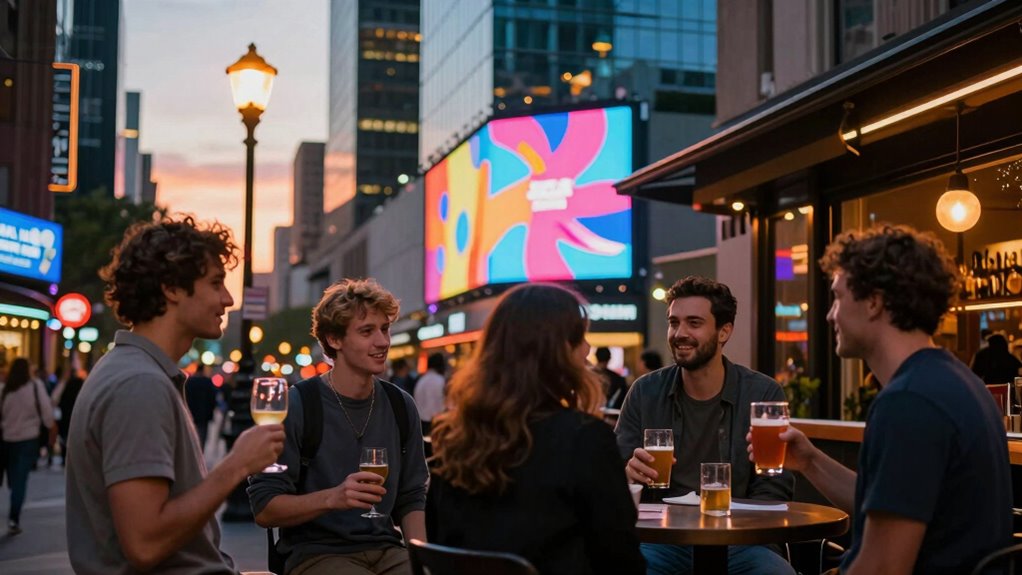

You’ll find that the legal drinking age isn’t the same everywhere because it reflects each country’s cultural values and priorities. Some nations set lower ages to include alcohol in social settings, emphasizing responsibility, while others raise the age to protect youth from health risks and risky behaviors. These laws shape how young people learn about alcohol’s social role. Keep exploring to understand how different cultures approach alcohol and what these laws reveal about their societies.

Get the little things that make your day delivered free with Prime
- Fast, free delivery on millions of items
- Prime Video, Amazon Music and more included
- Member-only deals all year
Key Takeaways
- Legal drinking ages vary globally due to cultural traditions and societal values regarding alcohol consumption.
- Countries set different ages to balance responsible drinking, youth protection, and social customs.
- Early legal ages often promote responsible use in family or social settings, while higher ages aim to prevent risky behaviors.
- Cultural priorities influence whether laws emphasize moderation, health, or social bonding related to alcohol.
- Variations in legal ages impact youth attitudes, health outcomes, and social norms across different regions.
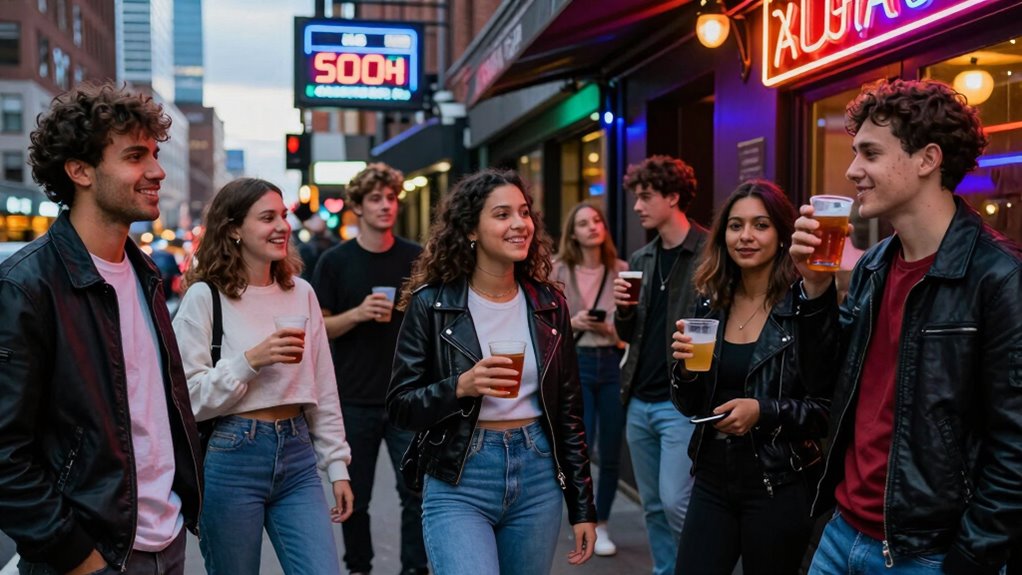
Have you ever wondered why the legal drinking age varies from country to country? It’s a question that taps into deep-rooted cultural drinking traditions and differing views on alcohol’s role in society. In some places, drinking is introduced early in a social or family setting, reflecting a culture where alcohol is seen as a normal part of life. In others, strict laws are in place to delay exposure, emphasizing the importance of responsible consumption and protecting youth from potential harm. These cultural differences shape the legal ages, creating a patchwork of regulations around the world.
Cultural traditions shape legal drinking ages, reflecting differing views on alcohol’s role in society and youth protection worldwide.
When you consider the impact on youth development, it becomes clear that these laws aren’t just arbitrary numbers. Countries with earlier legal ages often believe that teaching responsible drinking within a controlled environment helps young people develop healthier attitudes toward alcohol. Conversely, nations with higher legal ages aim to reduce early exposure altogether, hoping to prevent risky behaviors and alcohol-related problems among teenagers. Regardless of the approach, these laws influence how young people learn about alcohol’s role in social situations, family life, and cultural traditions.
If you’re in a country where the legal drinking age is lower, you might notice that drinking is integrated into social gatherings from a young age—sometimes even viewed as a rite of passage. This can foster a sense of familiarity and moderation, but it also raises concerns about early habits forming and affecting long-term health. Conversely, in countries with higher legal ages, you might see a more cautious attitude toward alcohol, where abstinence is encouraged until adulthood. This approach aims to protect youth from impulsive decisions, but it can also lead to clandestine drinking or binge behaviors once the age limit is surpassed.
Understanding these differences helps you realize that the legal drinking age isn’t just about laws; it’s a reflection of cultural values and priorities. You can see how the impact on youth development varies depending on the societal context. In some cultures, early exposure is seen as part of social bonding, while others emphasize delaying alcohol use to foster responsible habits later in life. As you navigate these varying regulations, it’s important to recognize that each country’s stance aims to balance cultural traditions with public health concerns. Whether the laws are strict or lenient, they shape how young people perceive alcohol and influence their behavior well into adulthood. Additionally, exploring digital content formats can provide insights into how different societies communicate their perspectives on alcohol and its regulation.
responsible drinking education book
As an affiliate, we earn on qualifying purchases.
As an affiliate, we earn on qualifying purchases.
Frequently Asked Questions
How Do Countries Determine Their Legal Drinking Age?
Countries determine their legal drinking age based on cultural influences and historical origins. You’ll find that some nations set the age higher due to local traditions or societal values, while others lower it, influenced by historical practices or economic factors. Governments consider health, safety, and social norms when establishing these laws. So, your legal drinking age reflects a mix of cultural history and evolving attitudes toward alcohol consumption.
Are There Exceptions to the Legal Drinking Age Laws?
Yes, there are exceptions to legal drinking age laws. Cultural attitudes influence these exceptions, such as allowing minors to drink at family events or religious ceremonies. Enforcement challenges also affect how strictly laws are followed, leading some regions to permit limited drinking for specific groups or settings. You might find that in certain areas, these exceptions reflect local customs, but they can complicate efforts to regulate alcohol consumption effectively.
How Does the Legal Drinking Age Impact Alcohol-Related Accidents?
You’re more likely to experience alcohol-related accidents if the legal drinking age isn’t strictly enforced, as enforcement challenges can lead to underage drinking. Cultural influences also play a role; in areas where drinking is more accepted, accidents may increase among younger drinkers. When laws are clear and well-enforced, they help reduce risky behaviors, ultimately decreasing alcohol-related accidents. So, both enforcement and culture considerably impact safety outcomes.
What Are the Penalties for Underage Drinking?
Like a tightrope walker balancing danger, you risk serious consequences for underage drinking. Penalties vary, but they often include fines, community service, or even license suspension. Underage enforcement is strict to deter risky behavior, and social implications can haunt you, affecting your reputation and future opportunities. You could face legal trouble and social judgment, so it’s better to stay within the law and avoid these harsh penalties altogether.
Can the Legal Drinking Age Change Over Time?
Yes, the legal drinking age can change over time. Cultural influences and historical changes often shape these laws, reflecting society’s evolving attitudes toward alcohol consumption. Governments may adjust age limits to address health concerns, safety, or social norms. For example, some countries lowered or raised the age to better align with their cultural values or to respond to new research. These changes aim to balance responsibility and public health.
As an affiliate, we earn on qualifying purchases.
Conclusion
So, next time you travel, remember that the legal drinking age varies widely—from 18 in many countries to 21 in others. This discrepancy reflects different cultural attitudes toward alcohol. Did you know that countries with higher legal drinking ages tend to have lower rates of alcohol-related accidents among youth? Understanding these differences can help you respect local laws and stay safe. No matter where you are, always drink responsibly and be aware of the rules.
As an affiliate, we earn on qualifying purchases.
As an affiliate, we earn on qualifying purchases.
NFL season / tailgating Picks
team gear
As an affiliate, we earn on qualifying purchases.