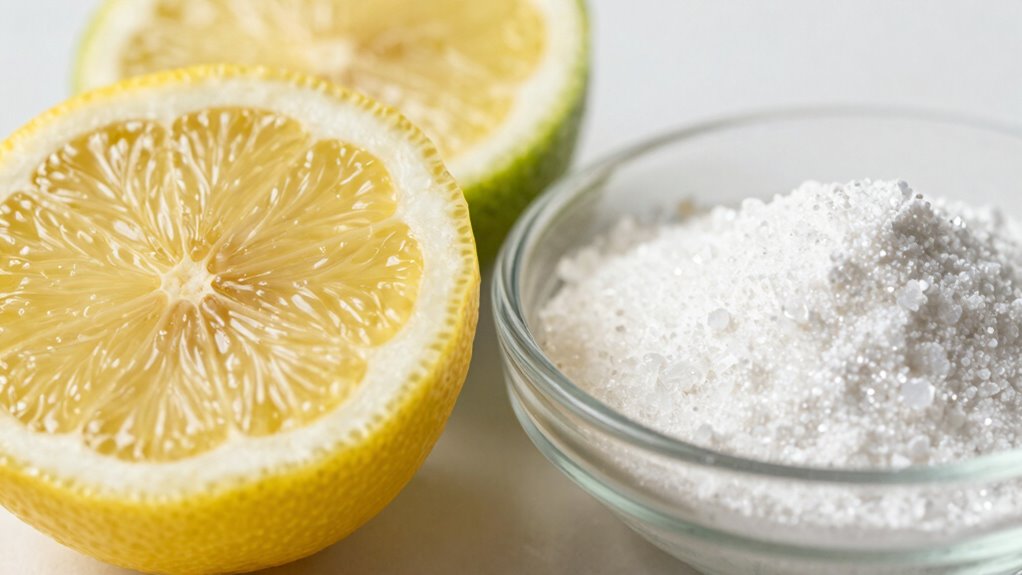

Choose fresh citrus when you want complex flavors, aroma, and a natural, vibrant taste for dishes or drinks you’re using immediately. Opt for citric acid if you need reliable acidity, long shelf life, and precise control, especially for preservation, baking, or processed foods. While fresh citrus adds authentic qualities, citric acid offers consistency and convenience for long-term storage and commercial use. To discover which option fits your needs best, continue exploring the details behind each choice.

Get the little things that make your day delivered free — and shop member deals
- Fast, free delivery on millions of items
- Access to Prime Big Deal Days deals on October 6–7
- Prime Video, Amazon Music and more included
Key Takeaways
- Use citric acid for precise, consistent acidity, long shelf life, and preservation; opt for fresh citrus for authentic flavor and aroma.
- Citric acid is ideal for long-term storage and processed foods, while fresh citrus is best for immediate use and natural flavor.
- Choose citric acid when controlling acidity levels in baking, beverages, or preserved goods; select fresh citrus for vibrant, complex flavor.
- Citric acid provides reliable acidity without added moisture or perishability; fresh citrus offers nuanced taste but limited shelf life.
- Use fresh citrus for dishes needing aroma and texture; rely on citric acid for stability, convenience, and consistent acidity.
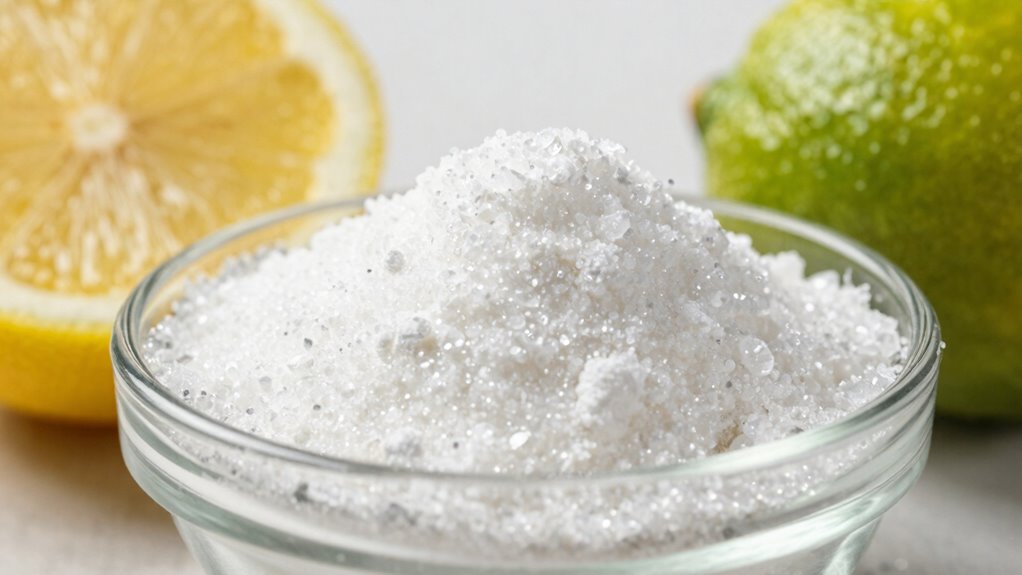
Have you ever wondered how citric acid compares to fresh citrus fruits? When it comes to flavor enhancement, citric acid offers a quick, reliable punch of acidity that can brighten up dishes without adding extra sugar or liquid. It’s a concentrated form of citrus’s tang, so a small amount can elevate the overall flavor profile of sauces, desserts, and beverages. Unlike fresh citrus, which provides a complex mix of flavors—bitterness, sweetness, and aroma—citric acid delivers a sharp, clean acidity that’s easy to control. This makes it ideal when you want a consistent tang without altering other ingredients.
Citric acid provides a quick, controlled burst of tang without altering other flavors.
In terms of shelf stability, citric acid clearly outperforms fresh citrus fruits. Fresh citrus, like lemons and limes, have a limited shelf life—usually a few weeks at best—before they start to spoil or dry out. You need to store them properly, and they’re perishable, which can be inconvenient if you don’t use them frequently. Citric acid, on the other hand, is a dry, powdered substance that can last indefinitely when stored in a cool, dry place. Its stability makes it a dependable choice for long-term pantry storage, commercial kitchens, and food manufacturing. You don’t have to worry about spoilage or deterioration, and it’s easy to measure and add to recipes whenever needed.
You’ll find that citric acid is particularly useful in processed foods and preserved products. It acts as a natural preservative, helping to extend shelf life by inhibiting bacterial growth. This property is especially valuable in canned goods, jams, and beverages that require a stable acidity level for safety and quality. Fresh citrus, while offering a more natural flavor, doesn’t provide this level of shelf stability and must be used relatively quickly to maintain freshness.
While fresh citrus provides a richer sensory experience with its aroma, texture, and nuanced flavor, citric acid is unmatched for consistency, convenience, and preservation. When you’re baking, making beverages, or preparing foods that need a predictable acidity level, citric acid is your go-to. High refresh rates can also enhance the overall cooking experience by allowing for precise control over acidity levels. But if you’re after the authentic, complex flavor of fresh citrus, nothing beats squeezing a ripe lemon or lime just before serving. Both have their place, depending on what you need—whether it’s the vibrant freshness of real citrus or the stability and efficiency of citric acid.
As an affiliate, we earn on qualifying purchases.
Frequently Asked Questions
Can Citric Acid Replace Fresh Citrus in All Recipes?
Citric acid can replace fresh citrus in some recipes, especially where flavor enhancement and shelf stability are priorities. However, it doesn’t replicate the bright, complex flavors of fresh citrus, so in dishes relying on aroma and nuanced taste, fresh fruit is better. Use citric acid for a tangy kick in baked goods, jams, or preserves, but for vibrant, fresh flavor, stick with the real citrus.
Is Citric Acid Safe for Long-Term Consumption?
Citric acid is generally safe for long-term consumption when used within regulatory standards, but you should consider potential health concerns. Some people might experience gastrointestinal issues or allergic reactions. Always check the product’s safety guidelines, and consult healthcare professionals if you have underlying health conditions. Regulatory standards guarantee safe usage levels, but moderation is key. Staying informed helps you make better choices about incorporating citric acid into your diet.
How Does Citric Acid Affect the Flavor Compared to Fresh Citrus?
Think of citric acid as a subtle painter’s brush, gently modifying taste without overpowering. It enhances flavor by adding a sharp, tangy note, making dishes vibrant and lively. Compared to fresh citrus, which offers complex aroma and juicy brightness, citric acid provides a more controlled, uniform taste modification. You’ll notice a clean, consistent tartness, perfect for balancing flavors, but it lacks the fresh, aromatic qualities that come from whole citrus.
Can Citric Acid Be Used in Preserving Fruits?
Yes, you can use citric acid to preserve fruits. It helps by lowering pH levels, creating an environment that inhibits bacteria and mold growth. In industrial fermentation, citric acid’s pH regulation is essential for controlling microbial activity. When preserving fruits, adding citric acid maintains freshness and extends shelf life without altering flavor substantially. Just be sure to use the right amount for effective preservation.
What Are the Environmental Impacts of Producing Citric Acid?
Did you know that producing citric acid accounts for roughly 0.2% of global carbon emissions? When you consider sustainable sourcing and eco-friendly production methods, the environmental impacts can be minimized. However, traditional manufacturing may involve energy-intensive processes and chemical use, contributing to pollution. Choosing suppliers committed to eco-friendly practices helps reduce ecological footprints, making citric acid a more sustainable choice for environmentally conscious consumers like you.
As an affiliate, we earn on qualifying purchases.
Conclusion
When choosing between citric acid and fresh citrus, consider your specific needs—citric acid offers a concentrated, longer-lasting option, while fresh citrus provides vibrant flavor and natural nutrients. Notably, citrus fruits account for about 60% of the world’s fruit consumption, highlighting their popularity. So, whether you’re after convenience or freshness, understanding when each makes sense helps you make smarter choices. Next time, weigh your recipe’s demands and your health goals to decide what’s best for you.
citric acid for food preservation
As an affiliate, we earn on qualifying purchases.
As an affiliate, we earn on qualifying purchases.
As an affiliate, we earn on qualifying purchases.
NFL season / tailgating Picks
team gear
As an affiliate, we earn on qualifying purchases.