
To cut citrus twists without bitterness, start by using a microplane or fine grater to zest the fruit carefully, avoiding the white pith underneath. Use a paring knife to trim off any remaining pith after slicing or peeling the zest in strips, following the fruit’s natural shape. Blanching the zest briefly in boiling water can also help reduce bitterness. Mastering these techniques guarantees your twists look great and taste vibrant—continue to explore the details for perfect results.

Get the little things that make your day delivered free with Prime
- Fast, free delivery on millions of items
- Prime Video, Amazon Music and more included
- Member-only deals all year
Key Takeaways
- Use a microplane or fine grater to create thin, even zest strips, minimizing pith inclusion.
- Blanch zest strips in boiling water briefly to remove bitterness before trimming.
- Carefully trim remaining pith with a paring knife after zesting to ensure clean citrus twists.
- Follow the fruit’s natural curvature when peeling to produce uniform, pith-free twists.
- Use proper tools like a vegetable peeler and small knife for precise, clean cuts free of pith.
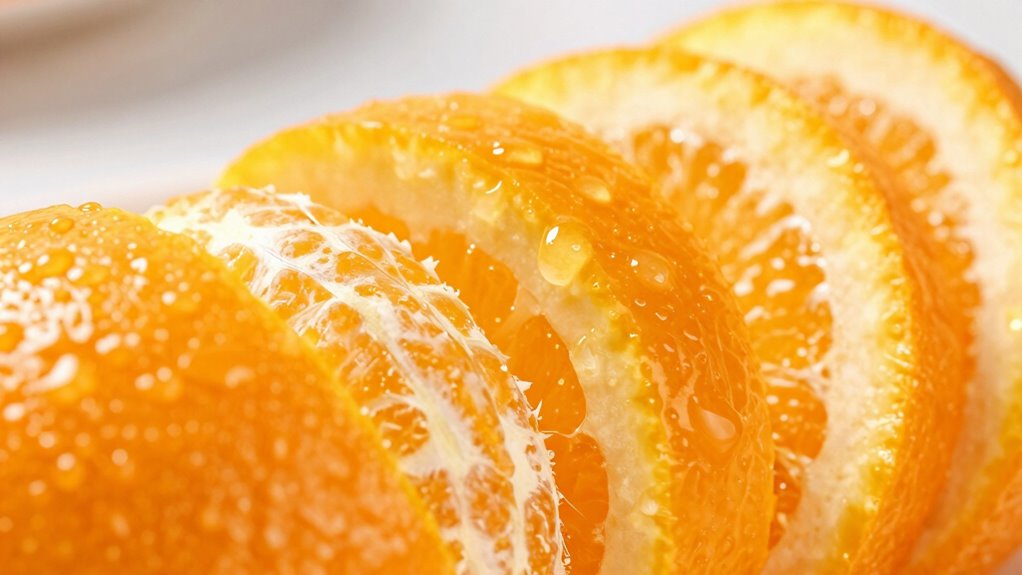
When preparing citrus twists for your dishes or drinks, it’s easy to end up with bitter pith ruining the flavor. The key to avoiding this problem lies in mastering the right zesting techniques and pith removal methods. Zesting techniques involve using the proper tools, such as a microplane or fine grater, to carefully peel away only the colorful outer layer of the citrus peel. You want to apply gentle pressure and move in one direction, ensuring you don’t dig too deep into the white pith beneath. This white layer is responsible for the bitterness you’re trying to avoid, so staying on the surface of the zest is essential.
Once you’ve obtained the zest, the next step is pith removal methods. If you’ve already cut a citrus fruit into slices or strips, you can use a paring knife to carefully trim away any remaining pith. Hold the fruit steady and gently slide the knife between the zest and the white pith, working around the peel to remove any bitter layers. If you’re making twists from whole citrus, it’s best to first cut off the ends of the fruit, then use your paring knife to carefully cut away the peel in strips, following the natural curvature of the fruit. This way, you can extract clean, colorful twists free of pith.
Another effective method is blanching the citrus peel. After zesting, you can briefly boil the strips in water, then drain and rinse them. This process helps remove residual bitterness from the pith while preserving the bright flavor of the zest. Just be sure not to overdo it; you want the zest to retain its vibrant color and aromatic oils. When you’re making twists, aim to use a vegetable peeler or zester to create long, even strips. After peeling, lay the strips flat and trim off any excess pith with a small knife. This ensures the twist looks attractive and tastes smooth, without any bitter undertones. Additionally, using proper tools can enhance your zesting experience and yield better results.
Products Worth Considering

LEVOIT Vital 200S-P Smart Air Purifier for Large Rooms

Bose SoundLink Flex Bluetooth Speaker (2nd Gen), Portable Waterproof Speaker, Black

Shark Navigator Robot Vacuum with Self-Empty Base, Dark Grey (RV2120AE)
As an affiliate, we earn on qualifying purchases.
Frequently Asked Questions
Can You Use a Vegetable Peeler Instead of a Paring Knife?
Yes, you can use a vegetable peeler instead of a paring knife, but it requires some peeler precision. A peeler is great for creating long, thin strips quickly, but it might not give you as much control for delicate twists. Be careful to preserve the pith, as a peeler can sometimes remove too much of the zest or leave behind bitter pith if not used carefully. Practice for best results.
What Tools Are Best for Removing Pith Quickly?
You should use a sharp paring knife or a serrated citrus peeler for removing pith quickly. These tools allow you to follow peeling techniques that efficiently strip away the bitter pith while preserving the zest. For citrus prep, gently score the peel and work carefully around the fruit. A citrus spoon can also help scoop out the pith if you prefer a gentle approach. These tools make the process faster and cleaner.
How Do Different Citrus Varieties Affect Pith Removal?
Think of citrus varieties as different personalities—some are straightforward, others more complex. When you work with sweet oranges, the citrus flavor shines, and the pith texture is softer, making removal easier. With grapefruits or lemons, the pith is thicker and more bitter, requiring gentler handling. Choosing the right citrus for your dish means understanding its unique pith and flavor profile, ensuring your zesting process stays smooth and flavorful.
Is There a Way to Prevent Pith From Forming During Peeling?
To prevent pith from forming during peeling, use gentle peeling techniques that remove only the zest, avoiding deep cuts into the pith. Choose a sharp vegetable peeler or a paring knife to carefully strip the outer layer. This preserves the pith’s delicate texture and minimizes its bitterness. Practice patience and precise movements to peel smoothly, ensuring a clean, pith-free citrus twist with ideal pith texture.
Can Pith Removal Improve the Taste of Citrus Dishes?
Removing pith can greatly improve the taste of citrus dishes by reducing the bitter flavor that pith can impart. You might find that, without the pith, the citrus becomes sweeter and more vibrant, enhancing your dish’s overall flavor. While some enjoy the subtle bitterness, most prefer a clean, fresh citrus taste. So, peeling carefully and removing the pith guarantees your citrus ingredients shine, free from unnecessary bitterness.
Conclusion
So, next time you’re tempted to toss that citrus peel into the trash, remember you’re missing out on a world of flavor—minus the bitter pith, of course. With a little patience and some sharp tools, you can enjoy beautifully twisted peels that make your cocktails and desserts pop. Because, honestly, who needs bitterness when you can have zest, flair, and a dash of culinary sophistication? Go on, twist away—your taste buds will thank you.