
Vermouth originated as a medicinal herbal infusion used by monks and apothecaries to treat various ailments, with herbs like wormwood and chamomile playing key roles. Over time, these herbal concoctions shifted from healing remedies to social drinks, especially in Europe during the 18th and 19th centuries. Its complex flavors stem from centuries of herbal experimentation, blending medicinal roots with culinary tradition. If you want to uncover more about the herbal ingredients that shaped this iconic beverage, keep exploring.

Get the little things that make your day delivered free with Prime
- Fast, free delivery on millions of items
- Prime Video, Amazon Music and more included
- Member-only deals all year
Key Takeaways
- Vermouth originated from herbal infusions used in ancient medicine to promote health and treat ailments.
- Herbs like wormwood, thyme, and chamomile were steeped in wine to create medicinal tinctures.
- Over time, these herbal infusions shifted from healing remedies to social and recreational beverages.
- The key botanical ingredient, wormwood, contributed both medicinal qualities and distinctive bitterness.
- Traditional herbal infusions define vermouth’s layered, aromatic flavor profile and iconic status in classic cocktails.
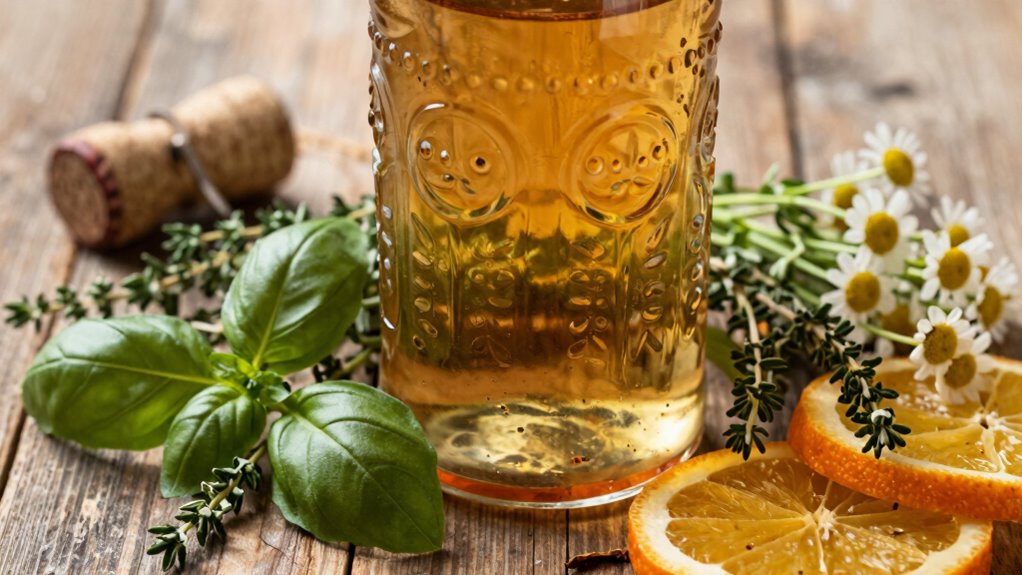
Have you ever wondered where vermouth, that aromatic fortified wine, actually comes from? Its origins trace back centuries, rooted in a blend of herbal infusions and a long history of medicinal uses. Originally, these herbal infusions weren’t just meant to enhance flavor—they were believed to offer health benefits, serving as a form of ancient medicine. Early on, people experimented with herbs, spices, and botanicals to create potent remedies. These concoctions were often used to treat digestive issues, boost immunity, or alleviate common ailments. Over time, the line between medicine and beverage blurred, and these herbal infusions became more refined, evolving into the aromatic profiles we associate with modern vermouth.
In its earliest days, vermouth was less a drink and more a medicinal tonic. Monks and apothecaries crafted it, combining wine with a variety of herbs like wormwood, thyme, and chamomile. Wormwood, in particular, played a pivotal role, not just for its herbal bitterness but also for its reputed medicinal properties. The infusion process involved steeping herbs in wine, allowing their complex flavors and medicinal qualities to meld. These early formulations were prized for their supposed ability to stimulate digestion, cure common illnesses, and even act as a general tonic. The herbal infusions used in these recipes created a layered, aromatic profile that would later define vermouth’s character.
As centuries passed, the medicinal aspect gradually gave way to a more recreational one. But the herbal roots remained integral to its identity. By the 18th and 19th centuries, vermouth had become a staple in European social life, especially in Italy and France, where bartenders refined recipes and added sugar to balance the herbal bitterness. Despite this shift, the herbal infusions retained their importance, underpinning the flavor profiles that make vermouth so distinctive. Today, modern vermouth still pays homage to its medicinal origins, with many brands emphasizing their use of traditional herbal infusions and botanicals. Whether you see it as a cocktail ingredient or a sophisticated sip on its own, remember that its deep history lies in healing and herbal mastery. Vermouth isn’t just a fortified wine; it’s a centuries-old testament to herbal infusions and ancient medicinal practices.
As an affiliate, we earn on qualifying purchases.
Frequently Asked Questions
What Are the Primary Types of Vermouth?
You’ll find three primary types of vermouth: sweet, dry, and bianco. Each variation has unique flavor profiles, from the rich, caramel notes of sweet vermouth to the crisp, citrusy taste of dry vermouth, and the balanced, slightly sweet bianco. These variations hold cultural significance, shaping classic cocktails like the Martini and Manhattan. Understanding these types helps you appreciate vermouth’s role in cocktail history and its diverse, global appeal.
How Is Vermouth Traditionally Produced?
You start by macerating botanicals like herbs, spices, and roots in wine or a neutral alcohol, following historical production methods that date back centuries. Then, you add sweetening agents and fortify the mixture with additional alcohol. Today, modern vermouth innovations include precise infusions and temperature controls, enhancing flavor profiles. After blending, the vermouth is filtered, rested, and bottled, preserving its aromatic complexity and ensuring consistent quality.
Which Herbs and Botanicals Are Commonly Used?
You’ll find that vermouth typically uses herbs and botanicals like wormwood, chamomile, coriander, and citrus peels. During botanical extraction, these ingredients release their flavors, creating a complex herbal infusion. The process involves steeping or macerating the botanicals in wine or alcohol, which then imparts the distinctive aromatic profile. This careful infusion balances bitterness, sweetness, and spice, making vermouth a versatile ingredient in cocktails.
How Does Vermouth Influence Cocktail Flavor Profiles?
Vermouth influences cocktail flavor profiles by adding flavor enhancement and aromatic complexity. When you include vermouth, it balances sweetness and bitterness, enriching the drink’s overall taste. Its botanicals release nuanced aromas that elevate the cocktail, making each sip more layered and inviting. Whether in a Martini or a Manhattan, vermouth’s unique blend of herbs deepens the flavor profile, creating a more refined, sophisticated drinking experience.
What Are the Health Benefits and Risks of Consuming Vermouth?
Did you know moderate vermouth consumption can offer herbal health benefits? It contains antioxidants from botanicals, which may support digestion and boost your immune system. However, alcohol moderation is key, as excessive intake increases health risks like liver damage and addiction. Enjoy vermouth responsibly, and remember that its benefits are best appreciated when balanced with a healthy lifestyle. Always consult a healthcare professional if you have concerns.
As an affiliate, we earn on qualifying purchases.
Conclusion
Now that you know vermouth’s rich history, you can appreciate its role like a delicate brushstroke in a masterpiece, adding depth and complexity. Its journey from ancient herbal remedies to a cocktail essential shows how tradition and innovation blend seamlessly. Next time you sip a martini or enjoy an aperitif, remember you’re part of a story that’s as timeless as a classic painting, crafted with care and centuries of expertise. Cheers to the enduring spirit of vermouth!
As an affiliate, we earn on qualifying purchases.
As an affiliate, we earn on qualifying purchases.
Halloween Picks
halloween
As an affiliate, we earn on qualifying purchases.