
TL;DR

Get the little things that make your day delivered free with Prime
- Fast, free delivery on millions of items
- Prime Video, Amazon Music and more included
- Member-only deals all year
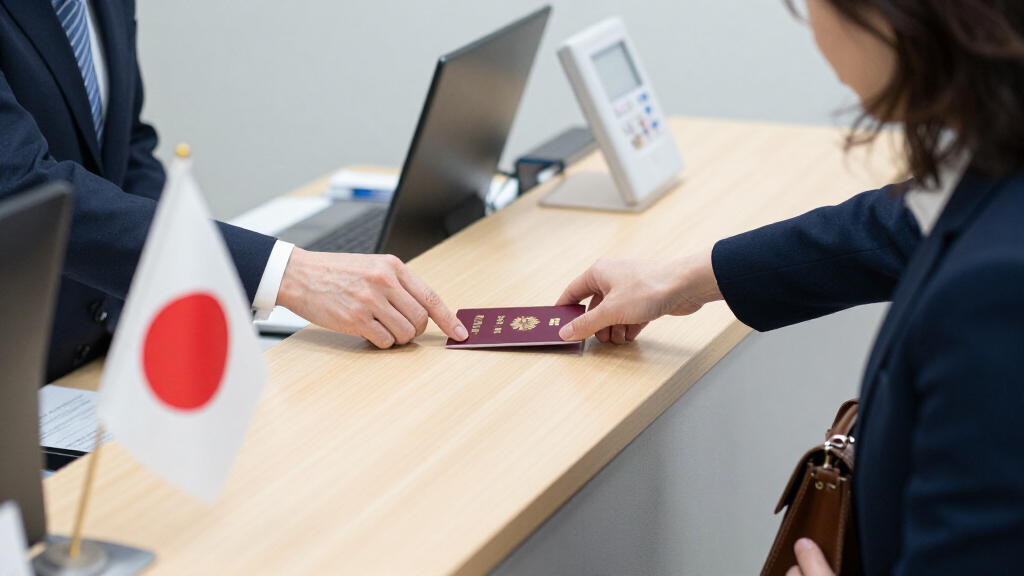
Derek Wessman says he became a Japanese citizen and describes a naturalization process he began at a Legal Affairs Bureau in 2012. His account is a personal blog post, not an official government description; he advises prospective applicants to seek guidance from their local bureau because cases are handled individually.
Derek Wessman says he became a citizen of Japan, and in a personal blog post he recounts beginning his naturalization process at the Legal Affairs Bureau in 2012. His account describes extensive requests for personal, family, financial and employment records, but it is one applicant’s experience, not an official outline of requirements for all applicants.
Wessman writes that he had been considering naturalization for a long time before visiting the bureau in 2012. He says his first consultation covered routine matters including his nationality, time living in Japan, marital status and family. He recalls being proud of his Japanese fluency, community activity and work in Japanese politics, while acknowledging that he had expected those experiences to set him apart.
The paperwork he describes included original birth and marriage records, information about relatives, a history of addresses, education and employment, and Japanese translations of English-language documents. He also lists tax and insurance records, a driving history, household income and expenses, loans, bank accounts, passports and records connected to his company. Wessman says the bureau asked for records involving his wife and other family members as well.
He cautions readers against treating his recollection as a definitive checklist. In an edit to the post, Wessman says applicants should consult their local Legal Affairs Bureau and follow its instructions. He says applications are considered individually, and that online accounts—including his own—should not substitute for advice from the relevant authorities.
What His Account Shows Applicants
Wessman’s post gives readers a firsthand description of the administrative work one applicant says he faced, including the need to assemble records across family, financial and employment history. That detail may help prospective applicants understand why preparation can involve more than proving residence or identity.
But the account does not establish that every applicant must provide the same documents or follow an identical process. Wessman explicitly says requirements vary by case and directs readers to the local Legal Affairs Bureau. His post is best read as a personal account of one application, not a current government guide.
Products Worth Considering

Dyson Airwrap i.d. Multi-Styler for Straight and Wavy Hair

Philips Hue White and Color Ambiance Smart Retrofit Recessed LED Downlights, 5/6-Inch, 4-Pack

Shark NV752 Rotator Powered Lift-Away TruePet Upright Vacuum, Bordeaux
As an affiliate, we earn on qualifying purchases.
The Process Began in 2012
Wessman says his first visit took place in 2012, when he was at the bureau for another reason and decided to ask about naturalization. He describes being accommodated for an initial consultation, though he writes that such a visit would not happen the same way today. He attributes that view to an increase in the number of people applying, but the post does not provide application figures to support a comparison.
He also recalls that the Hachioji Legal Affairs Bureau was then located in Minami Osawa, at the southern edge of the city, and says it has since returned to an area near the courthouse. His account combines remembered details, opinion and personal interpretation; he says readers should not assume every statement is an official rule.
“I became a citizen of Japan.”
— Derek Wessman, in his blog post
Limits of One Applicant’s Account
The blog excerpt does not state when Wessman’s naturalization was approved or when he formally acquired citizenship. It also does not provide a complete timeline of his application, the final documents he submitted, or the bureau’s decision-making criteria. His description of a process designed to be opaque and partly subjective is his characterization, not an official statement quoted from the government.
The post’s document list is based partly on Wessman’s memory and later reference to personal spreadsheets. He says some details, including the number of years covered by particular financial records, were unclear to him. The source material provides no official confirmation that these listed materials are universally required or that procedures remain the same today.
Applicants Should Check Locally
Wessman’s practical advice is for people considering naturalization to contact their local Legal Affairs Bureau for a consultation and instructions specific to their circumstances. The blog does not announce a further government decision, hearing or policy change. For readers, the next step is to treat the post as an account of one person’s experience and verify current requirements directly with the relevant bureau.
Key Questions
Who says he became a citizen of Japan?
Derek Wessman says in his blog post that he became a Japanese citizen. The supplied source is his personal account, not an independent government record.
When did Wessman begin his naturalization process?
He writes that he visited the Legal Affairs Bureau in 2012 and decided to begin the process. The excerpt does not give the date when his citizenship was approved.
What kinds of documents did he describe providing?
His account lists identity and family records, residence and work histories, tax and insurance documents, financial information, translations and company records. He presents this as his own experience, not a universal checklist.
Does Wessman say every applicant needs the same paperwork?
No. He says applications are handled individually and advises prospective applicants to consult their local Legal Affairs Bureau and follow its instructions.
Source: hn