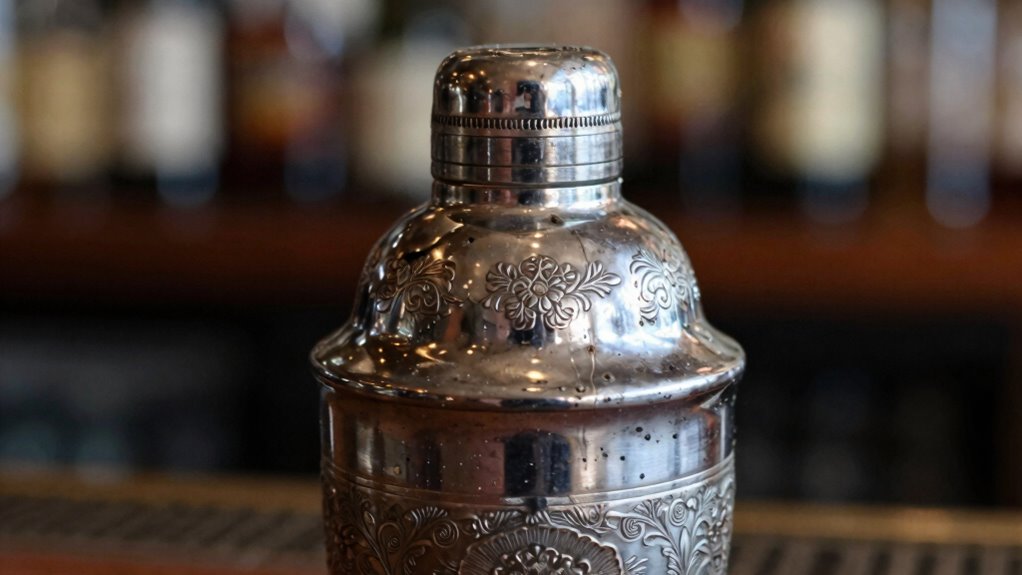

You might be surprised to learn that the cocktail shaker dates back to the 19th century, evolving from simple tins and jars designed for efficiency. Over time, innovations like built-in strainers and various shapes improved both style and function. Today’s sleek models build on these centuries-old designs, reflecting a rich history of craftsmanship. If you keep exploring, you’ll uncover even more fascinating details about how these iconic tools transformed bartending forever.

Get the little things that make your day delivered free with Prime
- Fast, free delivery on millions of items
- Prime Video, Amazon Music and more included
- Member-only deals all year
Key Takeaways
- Cocktail shakers originated in the 19th century, making them over 200 years old.
- Early shakers were simple tins or jars, evolving into specialized bar tools.
- Innovations like built-in strainers and double-walled designs improved functionality over time.
- Different types, such as Boston and cobbler shakers, reflect centuries of technological development.
- Modern shakers continue to evolve, maintaining a legacy rooted in historical craftsmanship.

You might assume the cocktail shaker is a modern invention, but it actually has a surprisingly long history that stretches back centuries. Throughout the course of mixology history, bartenders and drink enthusiasts have continually refined and reinvented how spirits are combined, chilled, and served. The humble shaker, in particular, has seen numerous innovations that shaped its role in bartending. These shaker innovations weren’t just about style; they improved efficiency, sealing, and ease of use, making the process of mixing drinks more precise and enjoyable.
Early forms of shakers date back to the 19th century, with some of the first recognizable versions appearing in the mid-1800s. These initial designs were often simple tins or jars that could be closed tightly to mix ingredients. Their purpose was straightforward, yet they marked a significant shift in bartending techniques, allowing for quicker, more consistent cocktails. Over time, bartenders experimented with different shapes and materials, adding features like built-in strainers or double-walled constructions to better chill drinks. These innovations weren’t just about aesthetics—they improved the overall mixology experience, making it easier to craft perfect drinks on demand.
Early shakers from the 19th century revolutionized bartending with simple, efficient designs for quicker, more consistent cocktails.
As the craft of bartending evolved, so did the shaker’s design. The Boston shaker, consisting of a metal tin and a mixing glass, became popular because of its simplicity and effectiveness. Meanwhile, the cobbler shaker, with its built-in strainer and cap, gained favor for its convenience. Each of these designs reflects specific shaker advancements aimed at optimizing the mixing process. These innovations allowed bartenders to work faster and with greater precision, which was especially vital during busy nights or in professional settings. The development of the shaker also paralleled the growth of cocktail culture, as drinks became more complex and required better tools for consistency.
Today, you can see how these historical advancements influence modern shaker designs. From sleek stainless steel models to sophisticated multi-piece shakers, the evolution continues. The history of mixology is embedded in every twist, seal, and pour of your favorite cocktails. Knowing that the shaker’s roots go back so far underscores its significance in bartending. It’s more than just a tool; it’s a tribute to centuries of experimentation, craftsmanship, and innovation. When you pick up a shaker, you’re holding a piece of mixology history, a device that has evolved through countless innovations to help you craft the perfect drink. Additionally, the ongoing exploration of digital concepts reflects how contemporary tools continue to shape user experiences in various fields, including mixology.
As an affiliate, we earn on qualifying purchases.
Frequently Asked Questions
When Was the First Recorded Cocktail Shaker Invented?
You’ll find the first recorded cocktail shaker in use around the 1870s, revolutionizing mixing techniques and cocktail culture. This invention allowed bartenders to quickly and efficiently blend ingredients, creating smoother drinks. As a crucial tool, it helped popularize cocktails and elevate bartending to an art form. Its early design laid the groundwork for modern shakers, making it an essential part of every mixologist’s toolkit today.
What Materials Were Early Cocktail Shakers Made From?
Think of early cocktail shakers as a blend of art and utility. You’ll find they were crafted from glass, showcasing delicate craftsmanship like a fine crystal vase, or sturdy metals, echoing the strength of metal craftsmanship. These materials weren’t just about looks—they kept drinks cold and secure. Whether glass or metal, early shakers reflected the craftsmanship of their time, transforming simple ingredients into social elixirs.
How Did the Design of Shakers Evolve Over Centuries?
You see, the design of shakers evolved through innovative designs and material evolution. Early on, they were simple and made from metals like silver and brass. Over centuries, manufacturers experimented with glass, plastic, and stainless steel, making shakers more durable and easier to clean. Today, modern shakers combine sleek aesthetics with functionality, incorporating new materials and innovative features that improve mixing, sealing, and portability for bartenders and enthusiasts alike.
Were Ancient Civilizations Using Similar Tools for Mixing Drinks?
Surprisingly, ancient civilizations did use tools for mixing drinks, though not quite like modern cocktail shakers. Ancient beverage practices often involved simple vessels or jars, showcasing historical mixing techniques that aimed to blend flavors or chill drinks. You might think today’s bar tools are modern marvels, but these early methods reveal that the desire to mix and enjoy beverages dates back centuries. Ironically, you’ve been shaking things up long before the cocktail shaker was even invented.
Who Are Some Historical Figures Associated With Early Cocktail Mixing?
You’ll find that historical figures like Jerry Thomas, often called the father of American mixology, played a huge role in shaping early cocktail mixing. His work helped solidify mixology traditions, blending cultural influences from Europe and America. Thomas’s innovations in technique and presentation influenced generations of bartenders, making him a key figure in the history of cocktails. His legacy continues to inspire those passionate about classic and modern mixology today.
As an affiliate, we earn on qualifying purchases.
Conclusion
Now that you know the cocktail shaker’s true age, it’s like holding a piece of history in your hand. It’s more than just a bar tool — it’s a silent witness to centuries of social gatherings, whispered secrets, and celebrations. So next time you shake up your favorite drink, remember, you’re part of a timeless tradition. Your shaker isn’t just old; it’s a bridge to the past, stirring stories that never fade.
cobbler shaker with built-in strainer
As an affiliate, we earn on qualifying purchases.
As an affiliate, we earn on qualifying purchases.
As an affiliate, we earn on qualifying purchases.
Fall Picks
fall essentials
As an affiliate, we earn on qualifying purchases.