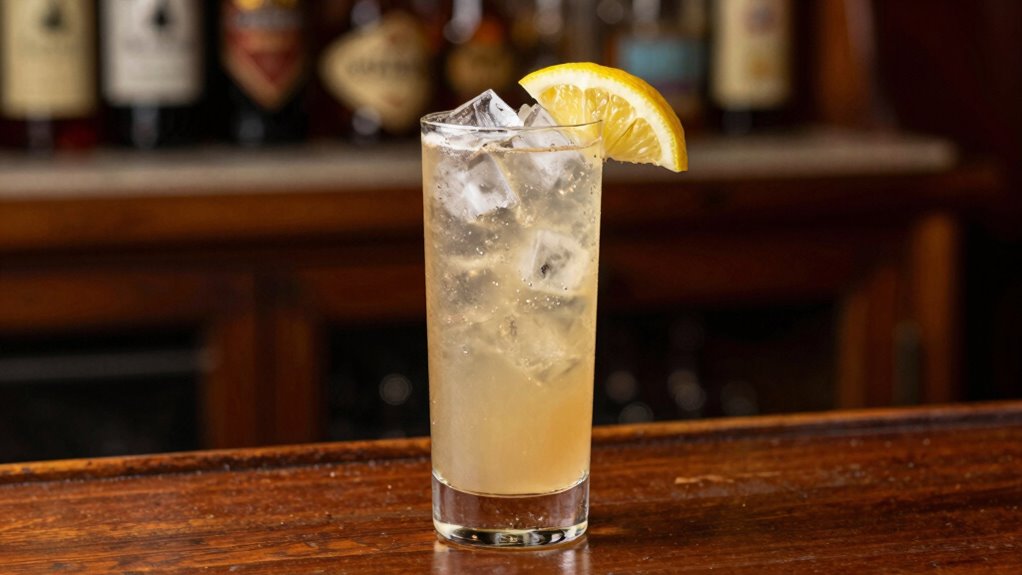

The highball has a history of over a century as a straightforward, invigorating drink that mixes spirit with a carbonated mixer. It’s celebrated for its minimalist approach, combining simplicity and elegance. Originally served in practical glasses, it evolved into taller, more refined styles that showcase the drink’s sparkle. Careful mixing and modern glassware keep it lively and stylish today. To discover more about this timeless classic, keep exploring its fascinating journey through history.

Get the little things that make your day delivered free with Prime
- Fast, free delivery on millions of items
- Prime Video, Amazon Music and more included
- Member-only deals all year
Key Takeaways
- The highball has over a century of history as a minimalist, refreshing spirit and carbonated mixer combination.
- Its simplicity emphasizes gentle mixing and careful pouring to preserve carbonation and balance.
- Originally served in practical glasses, evolving to taller, elegant styles like Collins or highball glasses.
- Modern presentation enhances visual appeal while maintaining traditional minimalist roots.
- The drink’s enduring popularity combines tradition, technological influence, and careful craftsmanship.
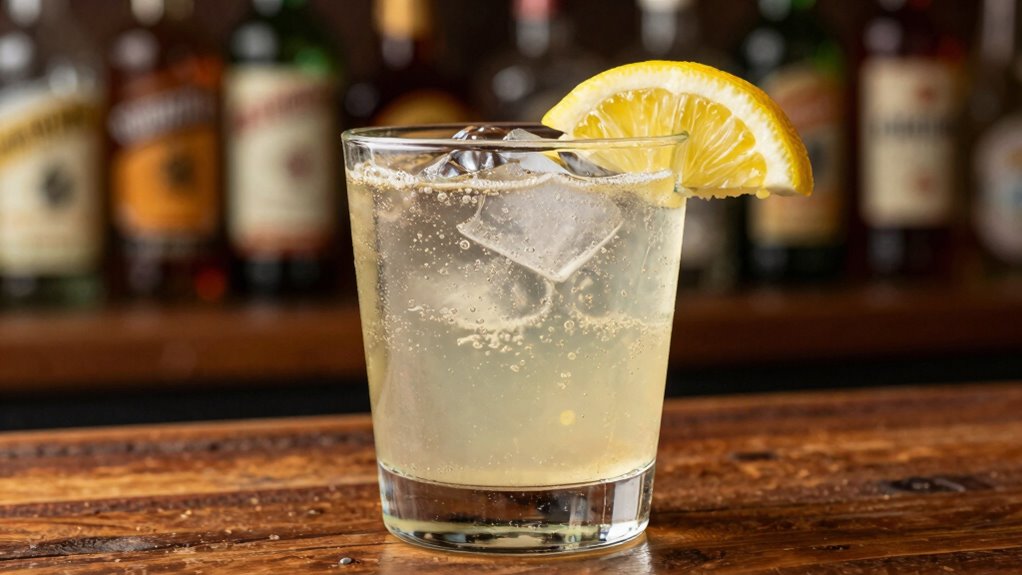
The highball, often celebrated as the ultimate “simple” drink, has a history that dates back over a century and showcases the elegance of minimalism in cocktails. Its straightforward combination of spirit and carbonated mixer made it a favorite for those seeking rejuvenation without fuss. Over the years, the way you prepare and serve a highball has evolved, reflecting changes in mixing techniques and glassware that enhance its appeal.
The highball’s timeless simplicity combines spirit and carbonation, evolving in technique and glassware to enhance its refreshing appeal.
When you make a highball, your mixing technique is essential. Traditionally, you start with a spirit—whiskey, gin, or vodka—poured over ice in a tall glass. The key is gentle mixing; you want to combine the ingredients without losing the carbonation. Many bartenders prefer to stir lightly rather than shake, preserving the delicate bubbles that give the drink its signature fizz. This subtle handling ensures the drink remains crisp and balanced, highlighting the spirit’s flavor while maintaining the invigorating effervescence. As the drink gained popularity, bartenders refined their approach, emphasizing the importance of pouring the mixer slowly and stirring with care. This method prevents the drink from becoming flat and keeps the carbonation lively from first sip to last.
The glassware used for highballs has also seen a significant evolution. Early on, highballs were served in simple, sturdy glasses, emphasizing practicality. Over time, the design shifted toward taller, more elegant glasses—like Collins or highball glasses—that not only look stylish but also improve the drinking experience. These glasses allow room for plenty of ice and a generous splash of soda or tonic, making the drink visually appealing and more enjoyable to sip. The shape of the glass helps retain carbonation longer, guaranteeing each sip remains bubbly and revitalizing. Today, you might find highballs served in a variety of glass styles, from minimalist to ornate, but the tall, straight-sided glass remains the classic choice, embodying the drink’s minimalist origins while elevating its presentation.
In essence, the highball’s enduring appeal lies in its simplicity, but the techniques behind it and the glassware in which it’s served have evolved to enhance every aspect of your experience. The careful handling during mixing preserves its sparkle, while the right glassware amplifies its visual and tactile appeal. This combination of tradition and innovation keeps the highball a timeless favorite, proving that sometimes, less truly is more. Additionally, the exploration of digital content formats has contributed to a broader appreciation of classic cocktails like the highball, allowing enthusiasts to share their experiences and knowledge with a wider audience.
Products Worth Considering

Shark Rocket Pet Plus Corded Stick Vacuum, Bordeaux, HV322

Ring Battery Doorbell (2nd Gen), Indoor Cam Plus, and Chime (3rd Gen) Bundle
Philips Hue Festavia Globe Outdoor String Lights, 32 Bulbs, 91 ft
As an affiliate, we earn on qualifying purchases.
Frequently Asked Questions
What Are the Best Mixers for a Traditional Highball?
For a traditional highball, you should use ginger ale or tonic water as your mixers. Ginger ale adds a sweet, spicy kick that complements whiskey or vodka perfectly. Tonic water provides a slightly bitter, crisp flavor ideal for gin or rum. Both mixers are carbonated, light, and invigorating, making them the best choices to keep your highball simple, flavorful, and enjoyable. Just pour over your spirit and enjoy!
How Did the Highball Become Popular Worldwide?
Like a beacon of simplicity, the highball’s popularity spread through cultural influences and historical origins that highlight its universal appeal. You see, its easy mix and invigorating taste symbolize unity across diverse societies. As travelers and sailors shared this drink worldwide, it became a symbol of camaraderie and refreshment. Its adaptability and global reach made it a beloved choice, connecting people across borders through a shared love for a straightforward, satisfying drink.
Are There Regional Variations of the Highball?
Yes, there are regional variations of the highball that reflect local flavors and cultural influences. For example, in Japan, you’ll find a whisky highball with a light, crisp taste, while in Latin America, you might enjoy a Pisco Sour highball. In each region, ingredients and presentation adapt to local tastes, giving the classic highball a unique twist that celebrates regional culture and flavor profiles.
What Glassware Is Ideal for Serving a Highball?
You should serve a highball in a tall, narrow glass—typically a highball or Collins glass—to showcase its invigorating look. Opt for glass types that are sturdy and provide enough space for ice and fizzy mixers. Use proper serving techniques by filling the glass with ice first, then adding your spirit and mixer, gently stirring. This guarantees a crisp, balanced drink, perfect for enjoying the highball’s simplicity and elegance.
Can Non-Alcoholic Versions of the Highball Be Made?
Absolutely, you can craft non-alcoholic highballs that rival the classic version. With mocktail innovations and non-alcoholic spirits, you can create invigorating, flavorful drinks that capture the essence of the original. Imagine sparkling water or tonic paired with fruit juices or herbs—your personal twist on a timeless favorite. These alcohol-free options let you enjoy the highball’s crisp revitalization while keeping it completely sober. Cheers to creative, tasty alternatives!
Conclusion
Now that you know the history behind the highball, you can appreciate its simplicity and timeless appeal. You can enjoy it as a invigorating escape, a social staple, or a classic choice. You can savor its evolution, appreciate its origins, and craft it with confidence. You can celebrate its legacy, embrace its versatility, and share its story. Because, in the end, the highball remains a symbol of effortless elegance, a drink that’s as straightforward as it is satisfying.