Dirty beer lines can ruin your beer’s flavor by adding off-tastes like sourness, metallic notes, or stale, cardboard-like flavors. You might notice increased foam, cloudy pours, or a skunky aroma, signaling buildup or contamination. These issues can lead to flat, inconsistent drinks that disappoint customers. Regular cleaning is essential to prevent flavor degradation and maintain quality. Keep going to discover the full steps to keep your lines spotless and your beer tasting fresh.
Key Takeaways
- Dirty lines can cause off-flavors like sourness, skunkiness, metallic, or stale tastes in beer.
- Contamination signs include cloudy appearance, excessive foam, and inconsistent carbonation.
- Residual buildup from organic matter fosters bacteria and mold, leading to flavor degradation.
- Regular cleaning (every 2 weeks) prevents buildup and preserves beer freshness and taste.
- Off-flavors and poor pour quality indicate the need for immediate line cleaning and maintenance.
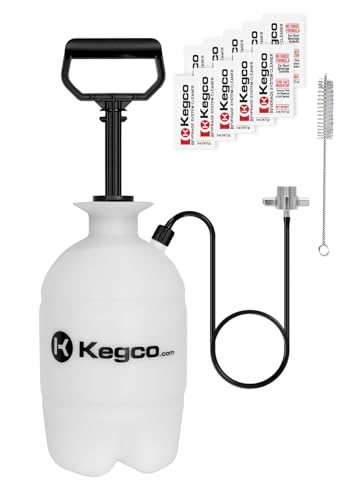
Kegco 1 Gallon Hand Pump Pressurized Kegerator Cleaning Kit w/No-Rinse Cleaner
Easy-to-use Kegco hand pump pressurized cleaning tank
As an affiliate, we earn on qualifying purchases.
As an affiliate, we earn on qualifying purchases.
Why Dirty Beer Lines Ruin Your Flavor
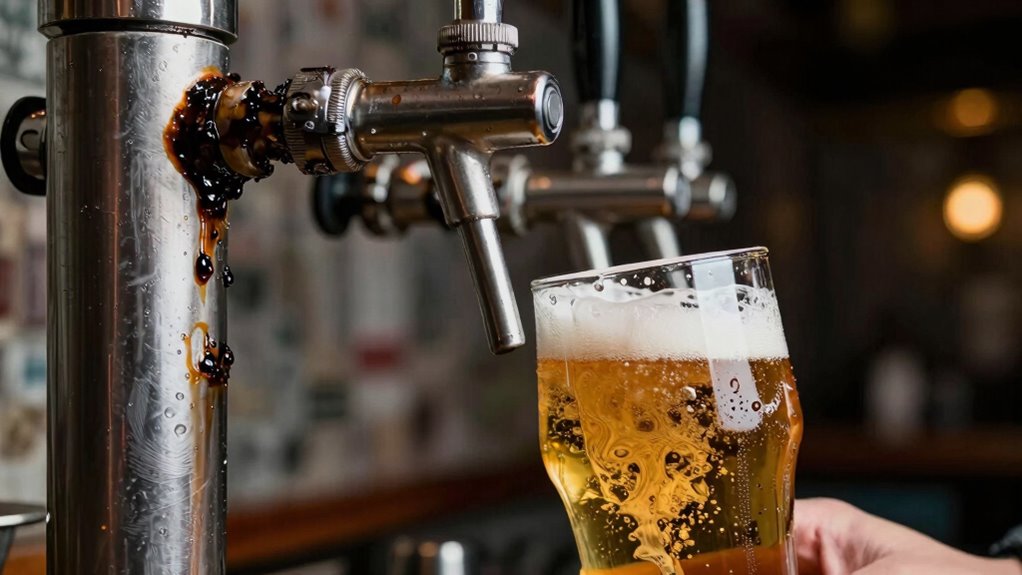
Dirty beer lines introduce unwanted bacteria and residue that quickly spoil the taste of your beer. When this buildup occurs, you experience flavor degradation, making your beer taste flat, sour, or off. Over time, the bacteria and mold multiply, creating a foul taste and compromising the overall quality. Poor hygiene maintenance allows these impurities to linger, directly affecting the beer’s freshness and aroma. You might notice a dull, stale flavor or a strange aftertaste that doesn’t match the beer’s intended profile. Regular cleaning prevents these issues, ensuring each pour maintains its crispness and flavor integrity. Neglecting line hygiene not only ruins the drinking experience but can also lead to health risks. Keeping your lines clean is essential for delivering the quality your customers expect.

Draftec ACT222B-1 Draftec Advanced Keg Draft Beer Line Tap Cleaner 32 oz. – Blue Tracer
Removes hop resins, yeast residue, sugar build-up, bacteria, proteins, and mold
As an affiliate, we earn on qualifying purchases.
As an affiliate, we earn on qualifying purchases.
How to Recognize Off-Flavors in Your Beer
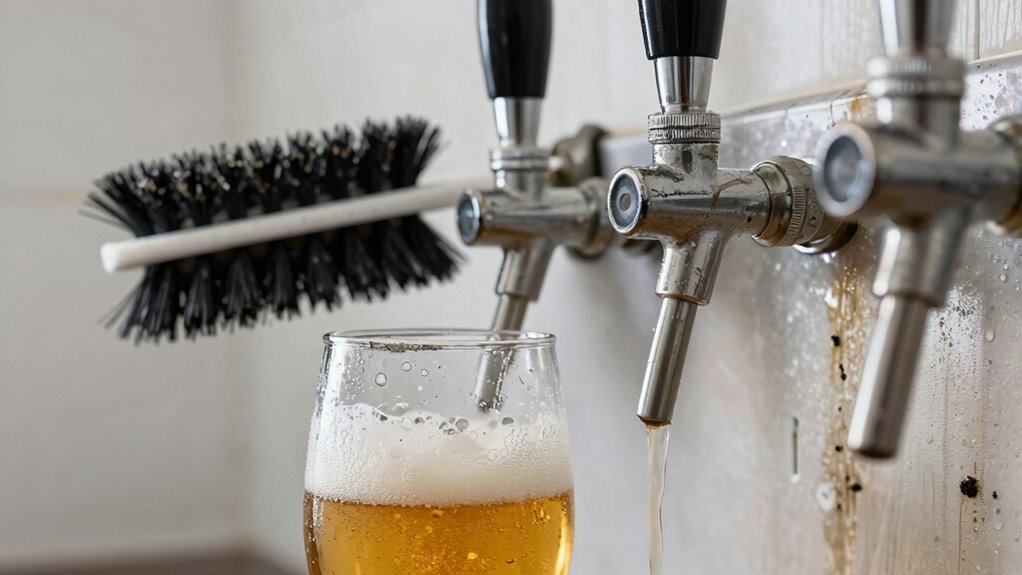
Recognizing off-flavors in your beer is essential for maintaining quality and ensuring your customers enjoy a consistent product. Off-flavors often signal issues like fermentation anomalies or packaging defects, which can alter taste unexpectedly. To identify these, pay attention to common signs:
| Off-Flavor | Possible Cause | Description |
|---|---|---|
| Sour taste | Fermentation issues | Indicates unwanted bacteria or wild yeast contamination. |
| Skunky aroma | Packaging defect | Light exposure causes chemical reactions, creating off-odors. |
| Metallic flavor | Dirty lines or equipment | Residual metals from improper cleaning can taint the beer. |
| Paper-like taste | Packaging defect | Adhesives or inks leaching into the beer. |
| Diacetyl | Fermentation anomaly | Buttery flavor from incomplete fermentation. |
Stay vigilant for these signs to catch issues early and maintain your beer’s integrity. Regular cleaning of your lines can help prevent dirty lines that might compromise your beer’s flavor profile. This practice is especially important as electric dirt bikes can produce instant torque, similar to how quickly off-flavors can develop if not monitored. Furthermore, understanding Frühwarnzeichen für Brustkrebs is crucial in identifying potential problems before they escalate, just like early detection in brewing processes can prevent off-flavors from ruining your product. Additionally, understanding digital content adaptability is crucial in ensuring that your brewing processes remain efficient and effective over time.

Beer Line Standard Beer Draft Keg Cleaning kit with 4oz Beer Line Powder Cleaner PBW compatible- Hand Pump Pressurized – Easy Safe to Use Keg Claner – w/Brush, Faucet Brush, Instruction Manual
FOR A SEAMLESS BEER LINE CLEANING – This Fermtech beer line cleaning kit has every tool you'll need…
As an affiliate, we earn on qualifying purchases.
As an affiliate, we earn on qualifying purchases.
Signs Your Beer Lines Need Cleaning
Certainly! Here’s the modified content with the requested changes:
—
If your beer pours with more foam than usual, it’s a sign your lines might need cleaning. Off-flavors and strange tastes can also indicate buildup inside the lines, affecting your beer’s quality. Additionally, persistent blockages or slow pours are clear indicators that it’s time for a thorough cleaning. Regular maintenance is essential, as proper calibration can significantly enhance the flavor profile of your beer. Understanding credit card terms can also help you budget for the costs associated with maintaining your equipment. Keeping your lines clean is akin to using glycolic acid for skincare; both require consistent care to ensure optimal results. In fact, just like the importance of meal planning for grocery savings, a well-maintained beer line can save you from wasting quality brews. Neglecting this cleaning can lead to off-flavors in beer, ultimately diminishing the overall drinking experience.
Increased Foam Production
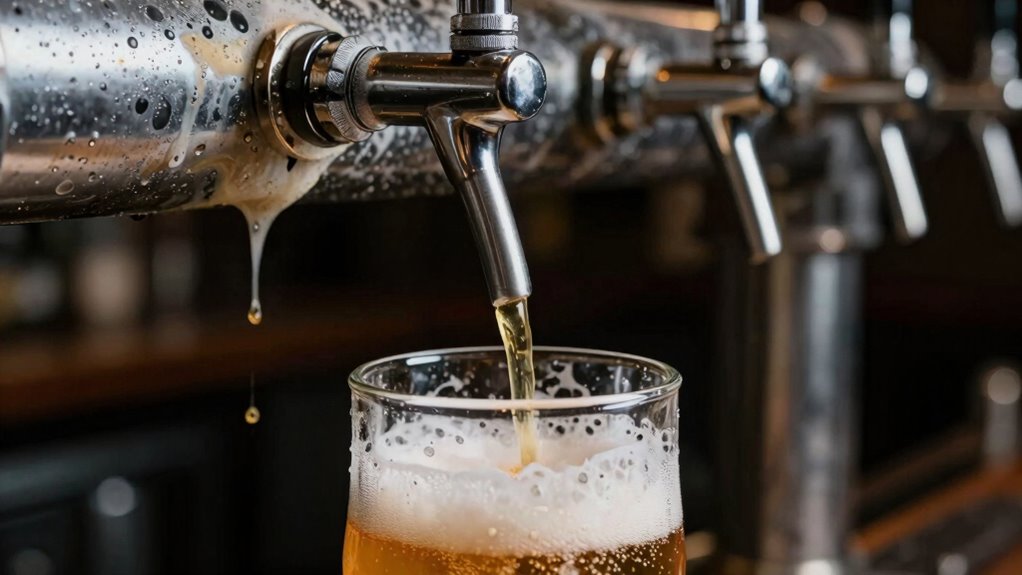
Have you noticed your beer pouring with more foam than usual? Increased foam production is a clear sign that your beer lines need cleaning. Dirty lines can trap residue, which causes excessive turbulence and foam during pouring. Proper beer line maintenance involves regular cleaning with effective cleaning solutions to remove build-up and guarantee smooth flow. When lines are dirty, the carbonation gets disrupted, leading to over-foaming. This not only wastes beer but also affects presentation and taste. If you observe persistent foaming issues, it’s time to inspect your lines and perform a thorough cleaning. Additionally, creating comfortable seating areas in your backyard can enhance the experience while enjoying your freshly poured beer. Using the right cleaning solutions regularly helps prevent buildup, keeps your beer tasting fresh, and maintains ideal pour quality. Furthermore, maintaining a clean system can also enhance recovery and HRV, making it essential for both beer quality and overall performance. Regularly checking for pH balance in your cleaning solutions ensures optimal performance. Remember that just like ventilation in saunas, proper airflow in your beer lines is crucial to maintaining an ideal environment. Don’t ignore increased foam—it’s your cue to act. Regular maintenance and essential DIY tools can help ensure your cleaning process is effective and safe.
Off-Pour Flavors
Off-Pour Flavors (Signs Your Beer Lines Need Cleaning)
Off-pour flavors are a clear indicator that your beer lines may need cleaning. If your craft beer tastes sour, stale, or cardboard-like, it’s a sign that buildup or contamination is affecting the flavor. These off-flavors often result from mold, yeast, or bacteria thriving in dirty lines, which can distort your beer’s true profile. Homebrewing techniques emphasize the importance of clean lines to preserve fresh, authentic tastes. When you notice these unusual flavors, it’s time to thoroughly clean and sanitize your lines to prevent spoilage. Regular maintenance ensures your craft beer remains vibrant and flavorful. Ignoring off-pour flavors can lead to persistent contamination, so stay vigilant and maintain your lines for best tasting experiences. Additionally, proper etiquette in serving beer can enhance the overall experience and ensure that flavors are enjoyed as intended.
Persistent Blockages
Persistent Blockages (Signs Your Beer Lines Need Cleaning)
Persistent blockages in your beer lines are a clear sign that cleaning is overdue. When your beer flow slows or becomes inconsistent, it’s often due to buildup of yeast, mold, or other residues. These blockages can negatively impact glassware hygiene, leading to cloudy pours and off-flavors. Regular tap maintenance helps prevent these issues, but if you notice persistent clogs, it’s time for a thorough cleaning. Dirty lines can cause draft beer to taste stale or sour, making customers wary. Additionally, cultural festivals can enhance local engagement, just as clean beer lines enhance customer satisfaction. Clean beer lines also promote optimal beer quality, ensuring your taps operate smoothly. Addressing blockages promptly keeps your system hygienic, preserves fresh flavors, and maintains ideal beer quality. Regular oil changes in your cleaning routine can prevent long-term damage and compromised quality, so stay vigilant and keep your lines clean. Additionally, understanding regulatory considerations around beer line cleanliness can help ensure compliance with health standards. Regular cleaning of your lines is essential for preventing contamination and ensuring a great taste experience for your customers.

40 Inches Brush Cleaner for Cleaning Straw, Kegerator, Feeding Tube, Siphon Hose, Sunroof Drain, Refrigerator Drain, 4PCS (White)
Extra Long Size: Total length is 40 inches, 4PCS, 2 sizes, pack1: ID:1/2inch, fit for ID: 1/2, 3/8,…
As an affiliate, we earn on qualifying purchases.
As an affiliate, we earn on qualifying purchases.
What Causes Residual Buildup and Mold?

Sure! Here’s the revised content with the requested changes:
—
Residual buildup and mold in beer lines primarily result from the accumulation of organic matter, such as beer proteins, sugars, and yeast, which provide an ideal environment for microbial growth. When these residues aren’t cleaned regularly, they create a breeding ground for mold formation. This buildup can happen quickly if lines aren’t properly maintained, especially during periods of low usage or improper cleaning routines. The table below highlights common causes and effects:
| Cause | Effect | Prevention Tips |
|---|---|---|
| Infrequent cleaning | Residual buildup, mold growth | Schedule regular cleanings |
| Poor sanitation | Microbial contamination | Use proper cleaning solutions |
| Temperature swings | Mold proliferation | Maintain consistent temperature |
Keeping lines clean prevents residual buildup and mold formation, ensuring fresh-tasting beer. Additionally, proper maintenance practices can significantly enhance the overall quality of the beer served. Regular cleaning routines not only eliminate harmful residues but can also improve financial efficiency in the long run, as well-maintained lines reduce waste and spoilage. Understanding the role of astrology and beauty can also help in creating a more inviting atmosphere for patrons. Moreover, investing in high-quality accessories for beer systems can further enhance the overall experience and maintain beer integrity. Using performance parts in your beer system can also lead to better flow and taste consistency.
How Dirty Lines Affect Customer Satisfaction
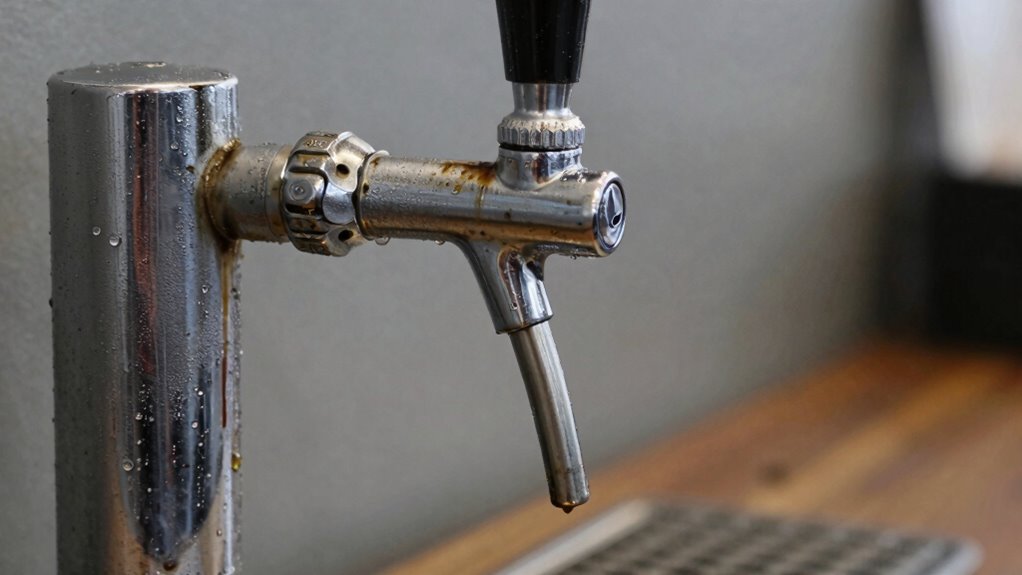
When beer lines are dirty, your customers will notice off-putting flavors that ruin their experience. Pour quality drops, leading to inconsistent servings that frustrate patrons. As a result, their overall satisfaction decreases, and they’re less likely to return.
Off-Putting Beer Flavor
Have you ever noticed a sour or off-taste in your beer that just doesn’t seem right? Dirty lines can significantly impact flavor, leading to off-putting beer that discourages customers. When lines aren’t properly cleaned, residue builds up, causing:
- Dull, stale flavors that ruin flavor enhancement
- Unwanted sour or skunky notes that damage beer presentation
- A consistent off-taste that erodes customer trust
These issues make your beer less appealing and diminish overall satisfaction. Customers expect fresh, crisp beer with good flavor and presentation. Dirty lines compromise both, making every pour less enjoyable. Regular cleaning preserves the integrity of your beer, ensuring each glass delivers the intended taste and visual appeal. Clean lines keep your beer tasting fresh and your reputation strong.
Reduced Pour Quality
Dirty lines can substantially reduce pour quality, leaving your beer looking dull and inconsistent. When lines aren’t properly cleaned, residues from previous beer styles and brewing techniques build up, causing uneven flow and poor carbonation. This results in flat, foamy pours that don’t match the expected quality for each beer style. Customers notice the difference immediately, often perceiving lower-quality beer, which affects their overall satisfaction. Consistent pour quality relies on clean lines that allow the beer’s natural clarity and carbonation to shine through. If your lines are unclean, you risk compromising the integrity of each brew, regardless of the brewing techniques used. Regular cleaning ensures you deliver a clean, fresh pour that highlights the true flavors of your beers and keeps customers coming back.
Negative Drinking Experience
Poorly maintained beer lines can considerably diminish customer satisfaction, as contaminated or unclean lines often lead to unpleasant drinking experiences. When lines are dirty, flavor consistency suffers, causing beers to taste off or stale. Customers quickly notice these issues, which can harm their perception of your establishment. To avoid this, focus on:
- Maintaining clean lines to preserve authentic flavors.
- Ensuring consistent cleaning schedules for reliable taste.
- Educating staff on signs of line contamination that affect customer perception.
Dirty lines not only alter flavor but also create a negative impression, making guests less likely to return. When customers encounter inconsistent or unpleasant tastes, their experience is compromised, directly impacting your reputation and sales. Proper line maintenance is essential for delivering a quality, satisfying drinking experience.
Tools You Need for Beer Line Cleaning

To effectively clean your beer lines, you’ll need a few essential tools that guarantee thorough and efficient maintenance. First, a cleaning keg or container allows you to mix cleaning solutions and flush your lines properly. You’ll also need a CO2 disconnect to safely vent and disconnect lines without leaks. A cleaning brush kit is vital for scrubbing lines and tap faucets, ensuring removal of stubborn residues. Don’t forget a proper line cleaning pump or soda siphon to circulate cleaning agents through the system. Additionally, tools for glassware sanitation, like brushes and sanitizers, complement line cleaning by ensuring your glasses won’t contaminate freshly poured beer. Finally, always have food-grade cleaning solutions specifically designed for beer lines to prevent flavor contamination and maintain ideal beer storage conditions.
How Often Should You Clean Your Beer Lines?
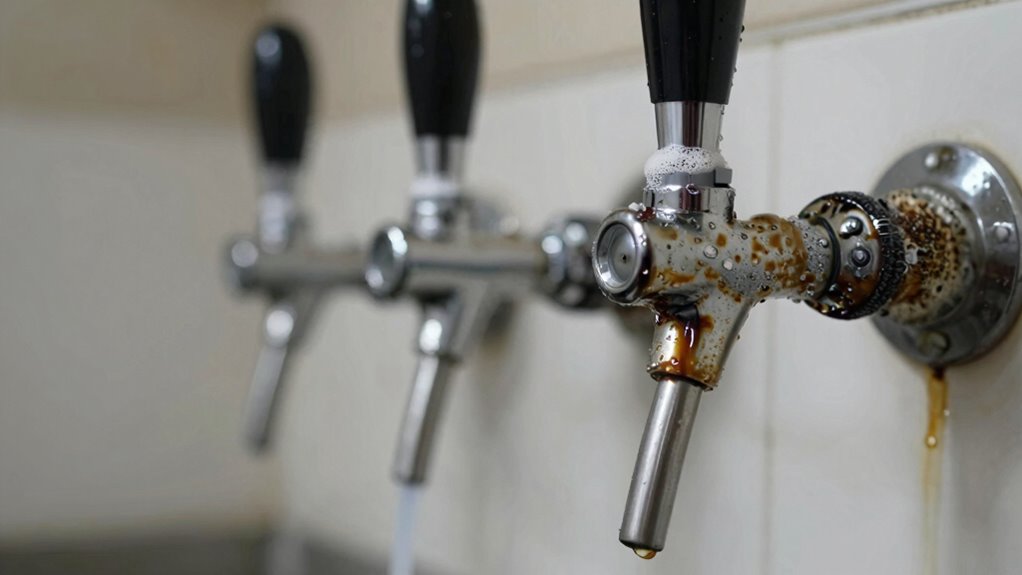
You should clean your beer lines regularly to maintain fresh-tasting beer and prevent buildup. Signs like cloudy pours or foamy glasses indicate it’s time for a cleaning. Keeping to the recommended schedule helps guarantee your beer stays crisp and flavorful.
Recommended Cleaning Frequency
Maintaining clean beer lines is essential for guaranteeing fresh taste and preventing contamination, so establishing a regular cleaning schedule is crucial. To keep your lines in top shape, consider these guidelines:
- Clean every 2 weeks for maximum freshness, especially if temperature fluctuations occur frequently.
- Follow brewery regulations, which often mandate cleaning at least once a month to avoid compliance issues.
- If your establishment experiences high turnover or inconsistent temperatures, clean weekly to prevent buildup.
Consistent cleaning prevents beer spoilage and maintains quality. Temperature fluctuations can accelerate grime accumulation, making more frequent cleanings necessary. Staying within brewery regulations ensures you’re compliant and helps avoid penalties. Regular maintenance also minimizes the risk of contaminated lines, protecting your reputation and your beer’s taste.
Signs of Dirty Lines
Even with a regular cleaning schedule, signs of dirty beer lines can still appear unexpectedly. If your beer tastes off, has a sour or stale flavor, or there’s excessive foaming, it’s a clear sign your lines might be dirty. These issues tie back to beer history and brewing techniques, where cleanliness wasn’t always prioritized, leading to lingering residues that affect flavor. Dirty lines can harbor bacteria and mold, which disrupt the intended taste and aroma of your beer. Additionally, if you notice inconsistent pours or cloudy beer, it’s time to inspect and clean. Regularly monitoring these signs helps maintain quality. Remember, proper cleaning not only preserves the integrity of your beer but also aligns with proper brewing techniques developed over centuries.
Impact on Beer Quality
How often you clean your beer lines directly impacts the quality of the beer served. Dirty lines can significantly deteriorate beer flavor, leading to off-tastes and inconsistent pours. Proper line maintenance ensures your beer remains fresh and enjoyable. To keep lines in top condition:
- Clean every 2 weeks if your bar is busy or serving multiple beers daily.
- Extend cleaning to once a month for lower-volume establishments.
- Always clean immediately if you notice off-flavors or cloudiness in the beer.
Regular cleaning prevents buildup of yeast, mold, and bacteria, which compromise line hygiene and flavor. Consistent line maintenance results in better-tasting beer and happier customers. Neglecting this can lead to costly quality issues and damage your reputation.
Step-by-Step Guide to Cleaning Beer Lines
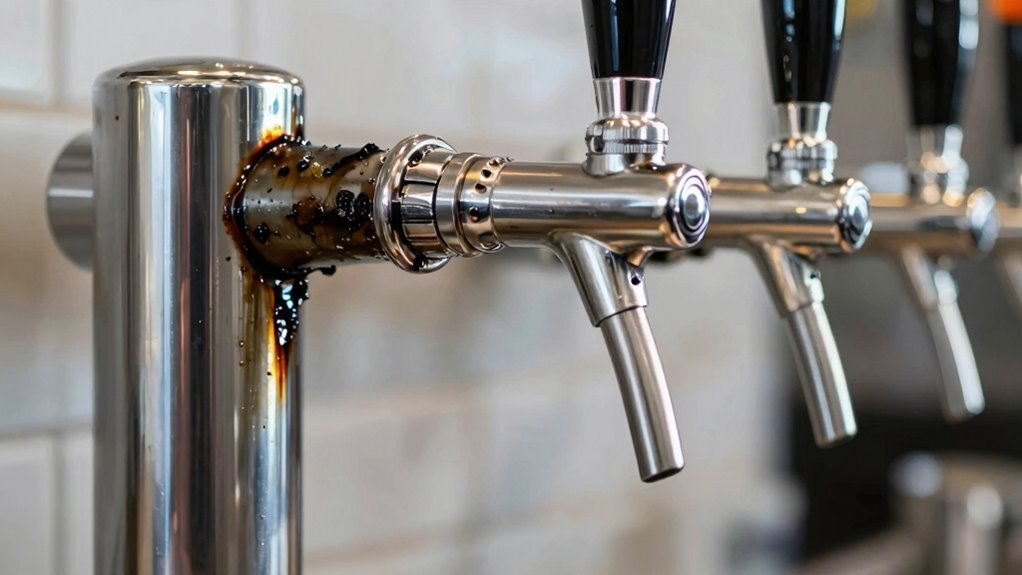
Cleaning your beer lines regularly is essential to guarantee fresh-tasting beer and prevent buildup that can cause contamination. Start by disconnecting the beer line from the tap. Flush the line with warm water to remove remaining beer. Next, prepare a cleaning solution using a beer line cleaner, following the manufacturer’s instructions. Pump the solution through the line, making sure it reaches all areas. Let it sit for the recommended time to break down residues from different beer styles and fermentation processes. After soaking, thoroughly rinse with clean water to remove any cleaner residue. Reconnect the line and run some fresh beer through to make certain no cleaning agents remain. Regular cleaning maintains the integrity of your beer, preserving flavor and quality.
Troubleshooting When Cleaning Isn’t Enough
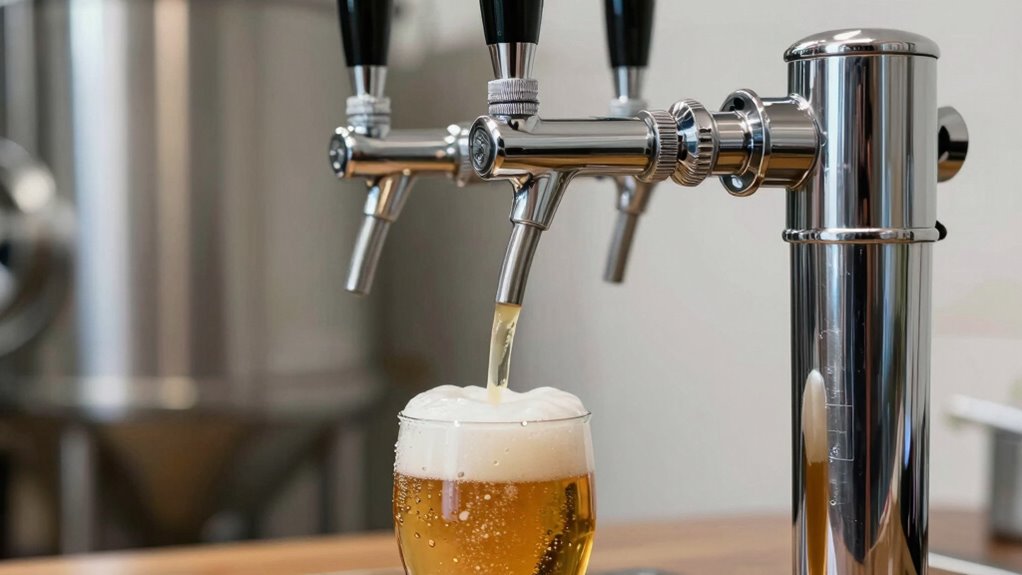
Despite thorough cleaning, some beer line issues persist, indicating that simple maintenance may not always resolve the problem. When cleaning alone doesn’t fix the taste or flow, you should consider other factors. First, check your beer storage: improper temperature or contamination can cause off-flavors regardless of line cleanliness. Second, inspect your glassware sanitation—residual soap or minerals can impact taste and foam stability. Third, evaluate the overall system, including connectors and couplers, which can harbor residue or mold if neglected. If these aren’t the issue, consider replacing worn-out parts or consulting a professional. Addressing these aspects ensures your lines stay clean and your beer tastes fresh, with crisp flavor and perfect head. Proper maintenance is about more than cleaning—it’s about overall system health.
Training Your Staff to Keep Lines Spotless
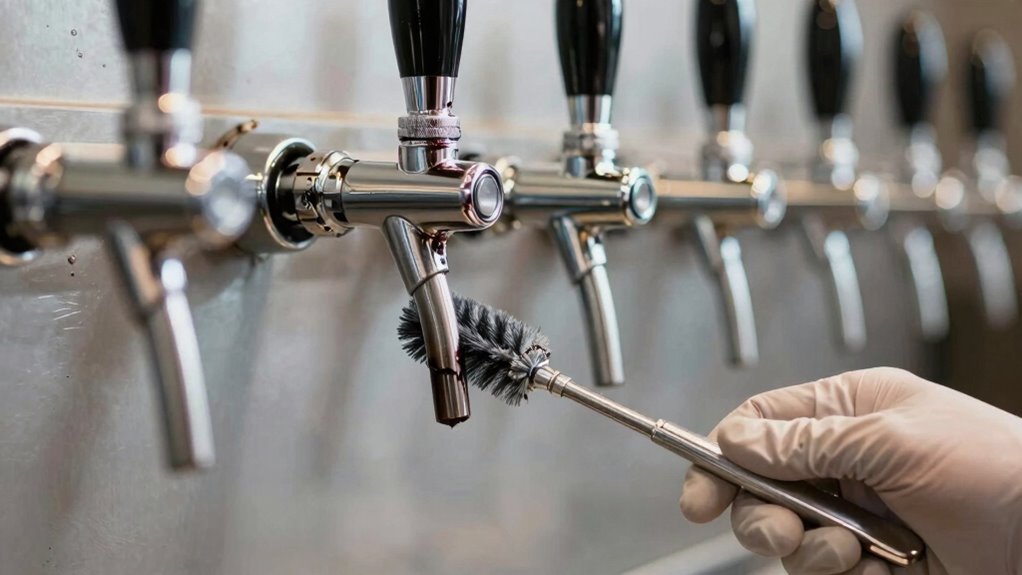
Training your staff effectively is essential to maintaining spotless beer lines and ensuring consistent quality. Staff training should focus on the importance of cleanliness standards and how proper line maintenance directly impacts beer flavor. Make certain your team understands the cleaning procedures, frequency, and the equipment used. Hands-on demonstrations help reinforce best practices and reduce mistakes. Regular refresher sessions keep cleanliness top of mind and adapt to any updates in cleaning protocols. Encourage staff to ask questions and develop a sense of ownership over the cleaning process. Consistent training ensures everyone follows the same standards, minimizes contamination risks, and prolongs the lifespan of your lines. Remember, well-trained staff are your best defense against dirty lines and off-flavors.
Frequently Asked Questions
Can Dirty Beer Lines Impact Beer Carbonation Levels?
Dirty beer lines can definitely impact carbonation levels, leading to carbonation loss. As buildup accumulates, it disrupts proper gas flow, causing your beer to go flat more quickly. This also results in flavor degradation, making your beer taste dull or off. Regular cleaning guarantees your lines stay free of debris, maintaining proper carbonation and preserving the fresh, crisp flavor you want in every pour.
Are There Health Risks From Unclean Beer Lines?
Unclean beer lines can be a breeding ground for microbial contamination and chemical residues, posing health risks. Think of dirty lines as a neglected garden, inviting unwanted pests and toxins. These contaminants can cause illness or allergic reactions. Regular cleaning flushes out these dangers, ensuring your beer remains safe and tasty. Ignoring cleaning routines risks more than just poor flavor—it endangers your health with hidden microbial and chemical threats.
What Are the Best Cleaning Solutions for Beer Lines?
The best cleaning solutions for beer lines include specialized line cleaners and effective sanitizers. You should clean your lines regularly, following the recommended cleaning frequency to prevent buildup. Use an appropriate caustic or acid-based cleaner designed for beer lines, then rinse thoroughly before applying a sanitizer to kill any remaining bacteria. This guarantees your beer tastes fresh and prevents health risks, keeping your lines in top condition.
How Can I Prevent Mold Growth in Beer Lines?
Imagine a garden thriving with healthy blooms—that’s what mold prevention in your beer lines looks like. To keep it that way, stick to consistent cleaning schedules, ensuring no hidden dampness fosters unwanted growth. Regularly flush lines with appropriate cleaning solutions and dry them thoroughly after cleaning. By maintaining a routine, you prevent mold from taking root, keeping your beer tasting fresh and your lines pristine.
Is Professional Cleaning Necessary for Small Breweries?
Yes, professional cleaning is necessary for small breweries to guarantee ideal beer quality. Regular cleaning frequency, typically every two weeks, prevents mold and bacteria buildup, maintaining fresh taste. Proper equipment maintenance is also crucial to avoid contamination and equipment issues. Investing in professional cleaning helps you achieve consistent results, prolong equipment lifespan, and uphold your brewery’s reputation for quality beer. Don’t skip professional cleanings—they’re indispensable for small brewery success.
Conclusion
Keeping your beer lines clean isn’t just about taste—it’s about customer satisfaction and your reputation. Did you know that a typical draught line can harbor millions of bacteria and mold spores if neglected? Regular cleaning prevents off-flavors, guarantees quality, and keeps patrons coming back. Stay vigilant, follow the proper cleaning steps, and train your staff. A spotless line means a better beer experience and healthier business—so don’t let dirty lines sour your success.