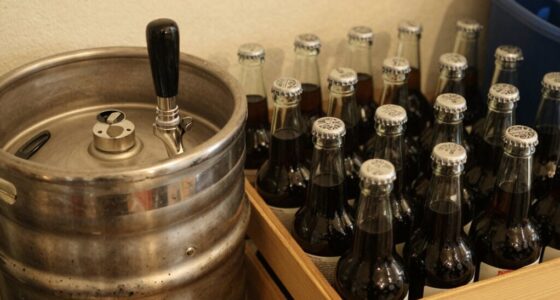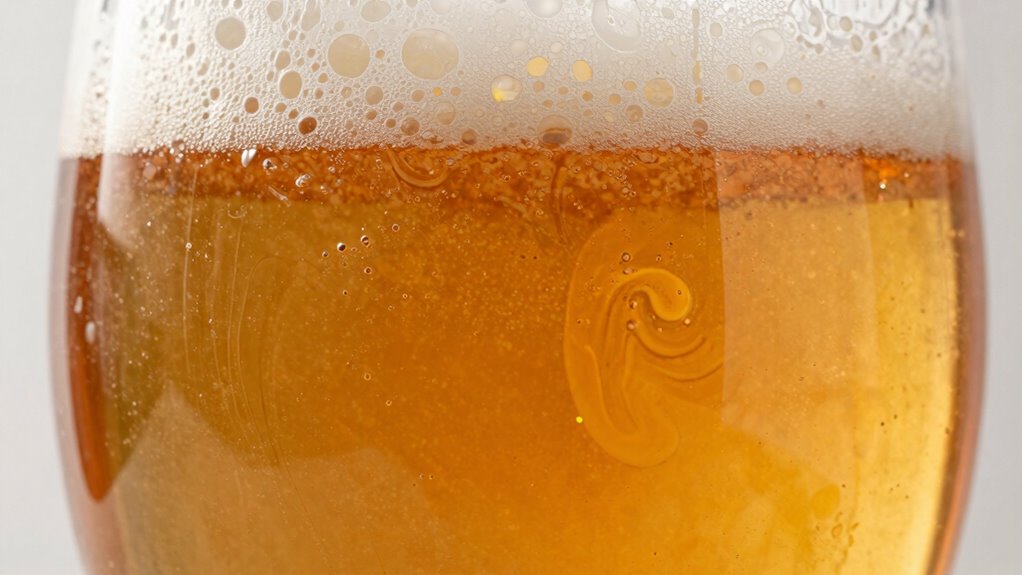

If beer tastes buttery, it’s likely because of diacetyl, a compound produced during fermentation when yeast converts sugars into alcohol. It naturally forms but can build up if fermentation is rushed or yeast isn’t healthy. Excess diacetyl creates a rich, buttery flavor that overshadows the beer’s intended taste. Brewers control this by adjusting temperature and allowing enough time for yeast to reabsorb diacetyl. To learn how to minimize or balance diacetyl, keep exploring the details behind brewing practices.

Get the little things that make your day delivered free with Prime
- Fast, free delivery on millions of items
- Prime Video, Amazon Music and more included
- Member-only deals all year
Key Takeaways
- Diacetyl is a natural byproduct of fermentation that imparts buttery flavors when present in high levels.
- Rushed fermentation or compromised yeast health increases diacetyl production in beer.
- Proper fermentation temperature control and adequate maturation help yeast reabsorb and reduce diacetyl.
- Insufficient diacetyl rest or early packaging can leave unwanted buttery flavors in the final beer.
- Managing yeast activity and timing during brewing minimizes diacetyl, ensuring a balanced, clean-tasting beer.
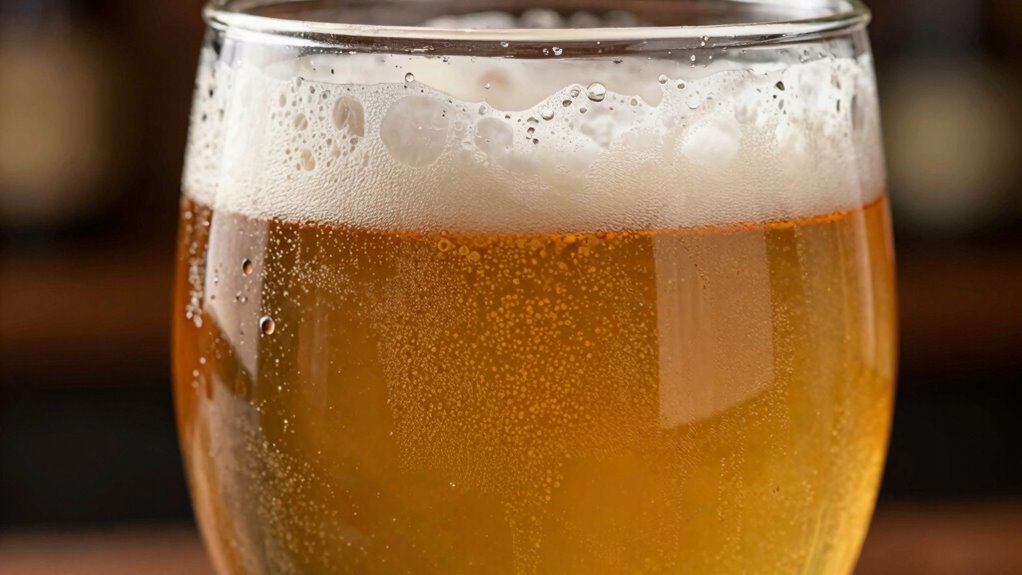
If you’ve ever tasted a beer with a buttery flavor, you’re likely experiencing the effects of diacetyl, a compound that can sometimes appear in brewing. Diacetyl is a naturally occurring byproduct of fermentation, and understanding how it influences flavor chemistry helps brewers manage its presence. When diacetyl is present at high levels, it imparts a rich, buttery aroma and taste that can overshadow a beer’s intended profile. This off-flavor is especially common in certain beer styles, like lagers and pale ales, if brewing techniques aren’t carefully controlled.
In brewing, flavor chemistry plays a vital role in how compounds like diacetyl are produced and removed. During fermentation, yeast produces diacetyl as a metabolic byproduct when converting sugars into alcohol. Under ideal conditions, yeast then reabsorbs this compound and reduces it to less flavor-active molecules. However, if fermentation is rushed or yeast health is compromised, diacetyl can accumulate, resulting in that buttery taste. So, the key to preventing this lies in precise brewing techniques—such as controlling fermentation temperature, guaranteeing sufficient yeast activity, and allowing adequate maturation time. Properly managed, these steps enable brewers to minimize diacetyl levels and produce cleaner, more balanced beers.
Many brewers actively monitor flavor chemistry throughout the brewing process. They often perform diacetyl rests—short periods of increased temperature after primary fermentation—to encourage yeast to reabsorb and reduce diacetyl. This technique exemplifies how understanding the chemistry behind flavors allows for better control over the final product. If these steps are skipped or rushed, diacetyl can linger, leading to that undesirable buttery note. Conversely, diligent application of brewing techniques ensures the yeast fully metabolizes diacetyl, resulting in a smoother, more refined beer.
You might notice that some traditional brewing styles intentionally include a slight diacetyl presence, adding complexity to the flavor profile. But for most modern brewers aiming for clarity and balance, controlling diacetyl is essential. It’s a delicate dance involving chemistry and technique, where timing, temperature, and yeast health intersect. By understanding how flavor chemistry functions and applying precise brewing techniques, you can prevent unwanted buttery flavors and craft beers that highlight the intended aromas and tastes. Ultimately, managing diacetyl is about respecting the science behind brewing and using it to produce exceptional, well-rounded beers. Additionally, successful brewers emphasize attention to detail in their processes to ensure consistent quality and flavor.
home brewing diacetyl rest thermometer
As an affiliate, we earn on qualifying purchases.
As an affiliate, we earn on qualifying purchases.
Frequently Asked Questions
Can Diacetyl Be Completely Eliminated From Beer?
Yes, diacetyl can be nearly eliminated from beer, but complete removal is challenging due to flavor stability and ingredient influence. You need careful fermentation management, proper yeast selection, and vigilant conditioning to reduce diacetyl levels effectively. While skilled brewers minimize its presence, trace amounts might remain because of natural ingredient influences and the complex interplay during brewing. Consistent practices help guarantee minimal buttery flavors in the final product.
Does Aging Beer Reduce Diacetyl Levels?
Studies show aging can reduce diacetyl levels by up to 50%, enhancing flavor stability. When you age beer properly, you allow residual yeast to reabsorb diacetyl, diminishing its buttery notes. Using specific aging techniques, like temperature control and extended conditioning, helps achieve this. So, yes, aging beer effectively decreases diacetyl, resulting in a cleaner, more refined taste that’s appreciated by discerning beer enthusiasts.
Are Certain Beer Styles More Prone to Buttery Flavor?
Certain beer styles are more prone to buttery flavors due to their flavor profiles and brewing techniques. For example, pale ales and lagers often highlight malty or hop-forward notes, but if diacetyl isn’t controlled during brewing, they can develop buttery notes. Styles like British ales and some lagers are particularly sensitive, as traditional brewing techniques may allow diacetyl to persist unless carefully managed. You’ll notice this flavor more in beers where malts and fermentation practices influence the profile.
How Does Diacetyl Formation Affect Beer Shelf Life?
Think of diacetyl as a ticking clock that threatens your beer’s flavor stability. When diacetyl forms, it accelerates spoilage, reducing shelf life and compromising quality preservation. As it lingers, the beer’s buttery notes become more pronounced, signaling declining freshness. To keep your beer tasting its best longer, controlling diacetyl levels through proper fermentation and storage is essential, ensuring your brew maintains its intended flavor and quality over time.
Can Homebrewers Control Diacetyl During Fermentation?
Yes, as a homebrewer, you can control diacetyl during fermentation by monitoring yeast behavior and fermentation timing. Make certain your yeast is healthy and active, and allow sufficient fermentation time for the yeast to clean up diacetyl naturally. You can also perform a diacetyl rest near the end of fermentation, raising the temperature slightly to encourage yeast to reabsorb diacetyl, resulting in a cleaner, butter-free beer.
beer fermentation temperature control kit
As an affiliate, we earn on qualifying purchases.
As an affiliate, we earn on qualifying purchases.
Conclusion
So, next time you notice a buttery flavor in your beer, remember that diacetyl isn’t just a flaw—it’s a sign of the brewing process. While some brewers aim to minimize it for a cleaner taste, others embrace it for added complexity. Curiously, certain beer styles intentionally include diacetyl to enhance flavor profiles. So, instead of dismissing it outright, appreciate diacetyl as a nuanced ingredient that can either elevate or detract from your beer experience.
home brewing yeast health tester
As an affiliate, we earn on qualifying purchases.
As an affiliate, we earn on qualifying purchases.
beer maturation and conditioning tanks
As an affiliate, we earn on qualifying purchases.
As an affiliate, we earn on qualifying purchases.
NFL season / tailgating Picks
team gear
As an affiliate, we earn on qualifying purchases.