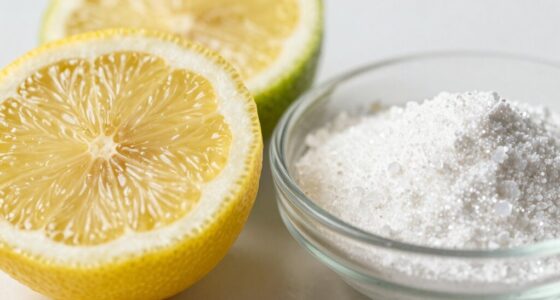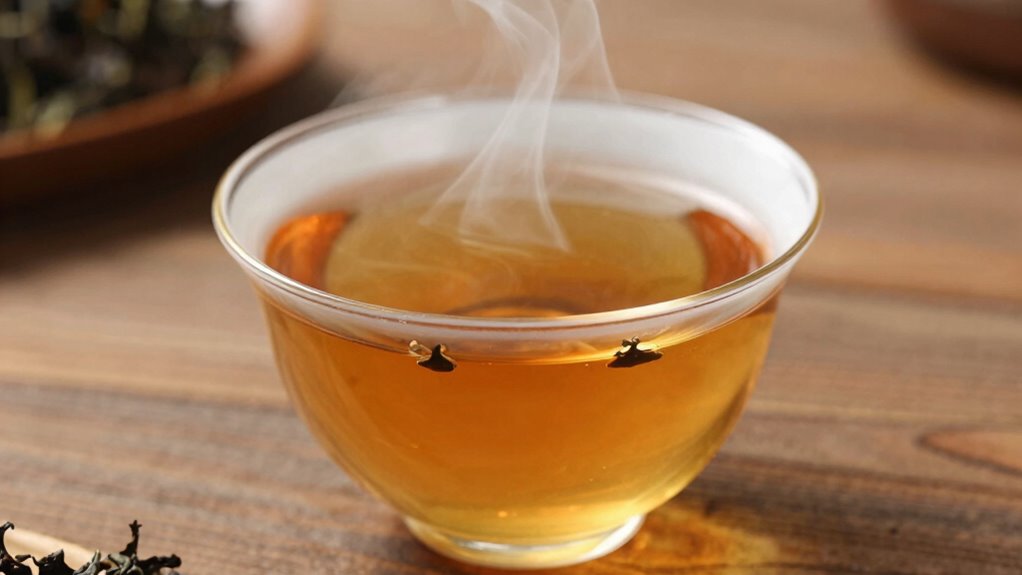

To add tannins without harshness, start with high-quality, whole tea leaves and brew at temperatures just below boiling, around 190-200°F. Keep steeping times shorter to avoid over-extraction, then gradually increase tannins with multiple infusions if needed. Controlling temperature and timing lets you enhance flavor smoothly. If you keep experimenting, you’ll discover how to balance tannin strength while maintaining a gentle, enjoyable taste—there’s more to uncover ahead.

Get the little things that make your day delivered free — and shop member deals
- Fast, free delivery on millions of items
- Access to Prime Big Deal Days deals on October 6–7
- Prime Video, Amazon Music and more included
Key Takeaways
- Use high-quality, whole tea leaves and brew at 190°F to 200°F to gently extract tannins without bitterness.
- Keep steeping times short and monitor carefully to prevent over-extraction of harsh tannins.
- Employ multiple infusions to gradually increase tannin content while maintaining smoothness.
- Focus on balancing temperature and steeping duration for a controlled, nuanced tannin infusion.
- Select delicate or high-grade teas for better control over tannin release and flavor complexity.
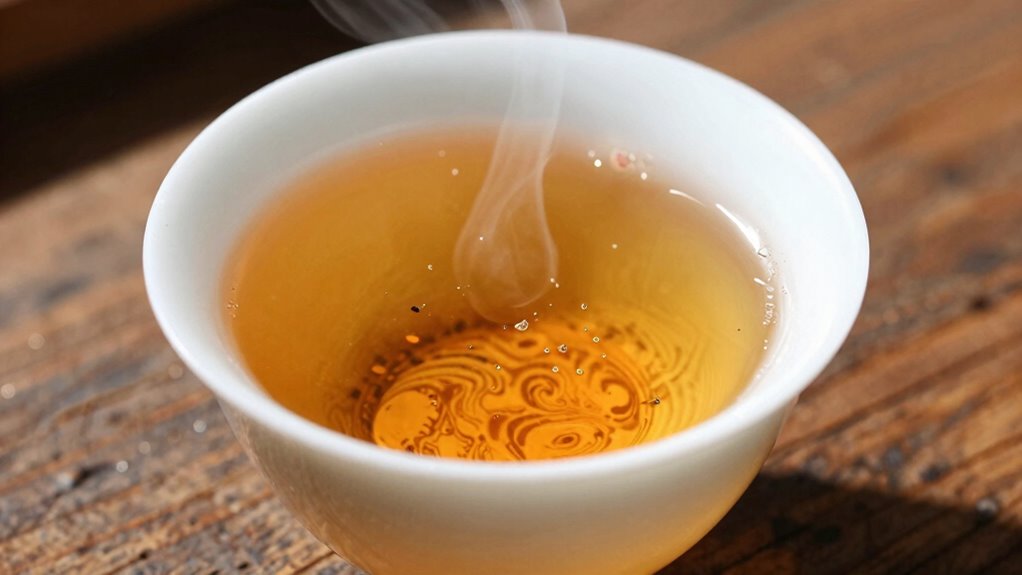
Have you ever wondered how a simple cup of tea can do more than just warm your hands? “The Tea Trick” is a clever technique that leverages the natural properties of tea to achieve surprising results, whether in everyday life or in more creative pursuits. At its core, this trick focuses on adding tannin to your tea without introducing the usual harshness that can come with overstepping traditional brewing methods. It’s all about understanding how brewing temperature and tea leaf quality influence the extraction process.
Master the art of brewing by controlling temperature and selecting quality leaves for perfectly balanced tannin-rich tea.
When you aim to add tannin without bitterness, controlling the brewing temperature becomes crucial. If you steep your tea at too high a temperature, especially with lower-quality leaves, you risk extracting excessive tannins along with bitter compounds. Instead, you want to keep the water just below boiling—around 190°F to 200°F—especially if you’re working with delicate or high-quality tea leaves. This gentle approach allows the tannins to infuse into your cup without pulling out the harsher, astringent flavors. By paying attention to brewing temperature, you ensure the extraction is balanced, giving you the tannic depth you desire while keeping the overall taste smooth and enjoyable.
Tea leaf quality plays a significant role in this trick. High-quality leaves, often whole and minimally processed, contain a richer spectrum of natural compounds, including tannins, which are released more slowly. Using premium leaves means you can control the infusion process more precisely, allowing you to add tannin to your brew intentionally. Cheaper or broken leaves tend to release tannins quickly and unevenly, making it harder to achieve that perfect balance. With better leaves, you can experiment with shorter steeping times or slightly lower temperatures to extract just enough tannin to enhance your tea’s complexity without overpowering it with bitterness.
The key is in your technique. Start with quality leaves, use water at the right temperature, and keep an eye on steeping time. You can even do multiple infusions, gradually increasing the tannin content as you go, without risking the harshness that often accompanies overbrewing. This approach enables you to tailor your tea to your taste, emphasizing tannic richness while maintaining smoothness. Whether you’re brewing for a nuanced flavor profile or experimenting with creative uses—like infusions or culinary applications—understanding how brewing temperature and leaf quality influence tannin extraction empowers you to make better, more controlled cups. The result is a richer, more satisfying tea that balances strength and smoothness in perfect harmony. Additionally, incorporating eco-friendly natural pools into your backyard can create a serene environment to enjoy your tea rituals.
As an affiliate, we earn on qualifying purchases.
Frequently Asked Questions
Can the Tea Trick Be Used With Herbal Teas?
Yes, you can use the tea trick with herbal teas, but some herbal blends are more compatible than others. Herbal tea compatibility varies, so experiment with different infusions to achieve the desired tannin levels without harshness. Tannin infusion methods involve steeping longer or adding small amounts of tea leaves gradually. Be cautious, as herbal teas may not naturally contain tannins, but you can enhance their complexity with these techniques.
How Long Does the Added Tannin Last in the Tea?
Tannin stability in your tea can last for up to an hour or more, depending on brewing and storage. Notably, tannin’s flavor longevity varies: it can retain its richness for quite some time if kept warm or covered, but exposure to air and heat reduces its effectiveness. To maximize the benefit, serve your tea promptly after adding tannin, and keep it insulated to preserve its enhanced flavor and tannin stability longer.
Does Adding Tannin Affect the Tea’s Flavor Profile?
Adding tannin enhances your tea’s flavor profile by increasing flavor complexity, but it can also make the tea taste more astringent or bitter if overdone. Tannin enhancement deepens the overall taste, revealing subtle notes you might not notice otherwise. To maintain balance, add tannin gradually and taste as you go. This way, you enjoy richer flavor complexity without sacrificing smoothness or experiencing harshness.
Is the Tea Trick Suitable for All Types of Tea Leaves?
The tea trick isn’t suitable for all types of tea leaves. For flavor enhancement, you should focus on specific brewing techniques that enhance tannin without adding harshness, especially with delicate teas like white or green. Stronger teas like black or oolong handle tannin better. Experiment to find the right balance, but remember, this trick works best when you adjust brewing methods rather than applying it universally.
Are There Any Health Risks Associated With Adding Tannin?
An ounce of prevention is worth a pound of cure. Adding tannin can pose health concerns if you have sensitivities or interactions with certain medications. While moderate amounts are generally safe, excessive tannin intake might cause stomach upset or interfere with nutrient absorption. Always consider your health concerns and consult a healthcare professional if you’re unsure about tannin interactions. Moderation and awareness help you enjoy tea without risking your well-being.
As an affiliate, we earn on qualifying purchases.
Conclusion
Now that you’ve learned the tea trick, you’re like a skilled alchemist turning harshness into harmony. Adding tannin without bitterness is as easy as a gentle whisper, transforming your brew into a smooth, flavorful experience. Think of it as fine tuning your tea’s personality—making it bold yet balanced. With this simple trick up your sleeve, every cup becomes a masterpiece, perfectly poised to delight your senses and elevate your tea game to new heights.
tea infuser for multiple infusions
As an affiliate, we earn on qualifying purchases.
As an affiliate, we earn on qualifying purchases.
As an affiliate, we earn on qualifying purchases.
NFL season / tailgating Picks
team gear
As an affiliate, we earn on qualifying purchases.