
TL;DR
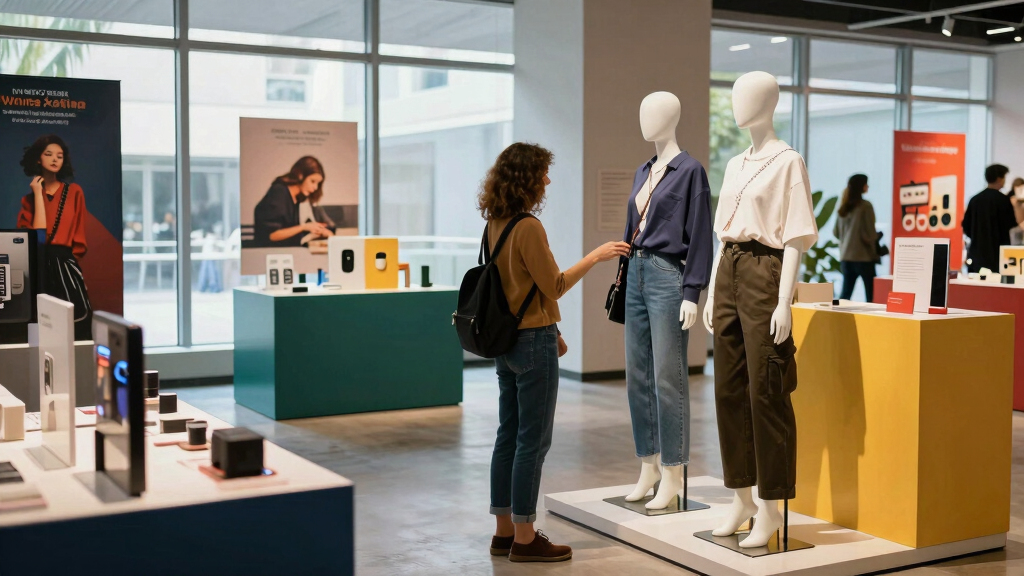
Multiple exhibitions focused on consumer culture are opening around the world, aiming to analyze and showcase the influence of consumer habits on society. The events signal growing interest in understanding consumption patterns.
Several major consumer culture exhibitions have opened or are scheduled to open worldwide, aiming to explore the influence of consumer habits on society, history, and economy. These exhibitions often reflect trends discussed in The Out of Touch Adults’ Guide to Kid Culture. These exhibitions, hosted by museums and cultural institutions, reflect a growing interest in examining consumption patterns and their societal implications.

Get the little things that make your day delivered free with Prime
- Fast, free delivery on millions of items
- Prime Video, Amazon Music and more included
- Member-only deals all year
These exhibitions come amid ongoing discussions about sustainability, materialism, and social equity. Experts like Dr. Lisa Carter, a cultural historian, note that such displays serve as a mirror to societal values and shifts, emphasizing the importance of understanding consumption patterns in contemporary life. The exhibitions are also expected to attract diverse audiences, from academics to the general public, seeking to reflect on their own consumer behaviors and societal trends.
Why Consumer Culture Exhibitions Matter in Today’s Society
The exhibitions highlight the pervasive influence of consumer habits on societal values, environmental sustainability, and economic structures. By showcasing the history and current trends of consumption, they encourage reflection on issues like materialism, advertising influence, and sustainability. As Dr. Lisa Carter states, “Understanding consumer culture is crucial to addressing broader societal challenges, from climate change to social inequality.” The events also demonstrate a cultural shift towards more reflective and critical engagement with consumption, potentially influencing future policies and individual behaviors.
Products Worth Considering

Samsung 65-Inch Class M70H Series 4K Mini LED Smart TV (2026)

Ring Battery Doorbell Plus (2nd Gen) with Quick Release Battery Pack, Nickel Silver

Bose TV Speaker (2nd Gen) Compact Soundbar with Bluetooth and HDMI Connectivity, Black
As an affiliate, we earn on qualifying purchases.
Recent Trends in Consumer Culture and Cultural Exhibitions
Over the past decade, consumer culture has become a central topic in both academic and public discourse, driven by digital transformation, environmental concerns, and social movements. Museums and cultural institutions have increasingly incorporated consumer history and critique into their programming. The current wave of exhibitions builds on this trend, aiming to educate and provoke dialogue about the societal impacts of consumption. Historically, such exhibitions have gained popularity during periods of social change, reflecting a desire to reassess values and practices related to materialism and environmental impact.
“These exhibitions offer a critical lens on how advertising and branding shape our identities and choices, encouraging visitors to reflect on their own consumption habits.”
— Jane Miller, Exhibition Curator at the Museum of Modern Art
Uncertainties About Future Exhibitions and Impact
Details about upcoming exhibitions, their specific themes, and long-term impacts remain uncertain. It is not yet clear how visitors will respond or whether these exhibitions will influence public attitudes and policies significantly. Additionally, the extent of collaboration between institutions and their focus on sustainability or social issues is still developing.
Next Steps for Consumer Culture Exhibitions and Public Engagement
Several institutions plan to expand their programming, including panel discussions, workshops, and digital content, to deepen engagement. Future exhibitions may explore new themes such as digital consumption, environmental sustainability, and social justice. Monitoring visitor feedback and media coverage will help gauge their influence and effectiveness in fostering societal reflection on consumer habits.
Key Questions
What are the main themes of these consumer culture exhibitions?
The exhibitions focus on the history of consumerism, branding, advertising, and their societal impacts, including sustainability and identity formation.
Where are these exhibitions being held?
Major openings are at the Museum of Modern Art in New York and the Victoria and Albert Museum in London, with additional venues planning future shows.
Are these exhibitions accessible to the general public?
Yes, most are open to the public, with some offering free admission or special programs to engage diverse audiences.
Will these exhibitions influence public policy or consumer behavior?
It is too early to determine their direct impact, but they aim to foster dialogue that could inform future policy discussions on sustainability and social equity.
Source: rss