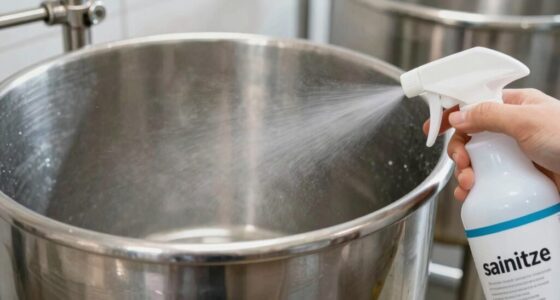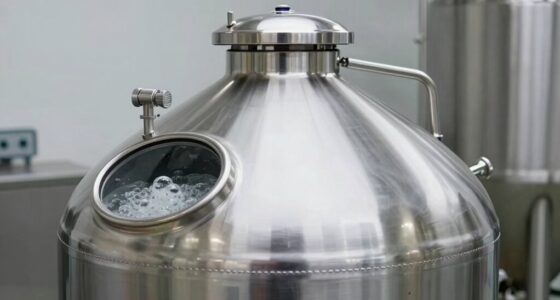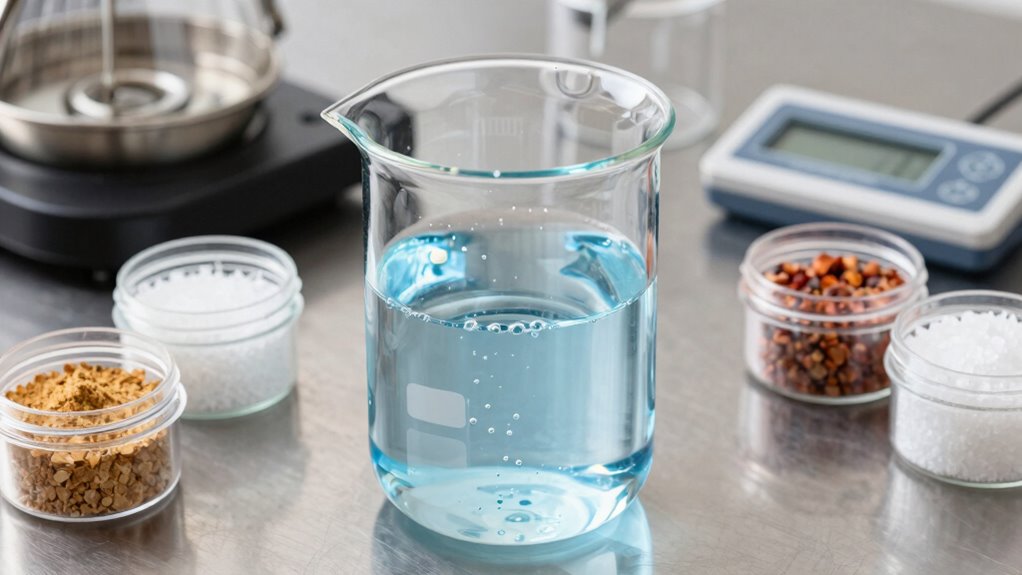

To improve your homebrew, understand that water chemistry affects flavor, clarity, and overall quality. Focus on key minerals like calcium, sulfate, and chloride, which influence taste and mouthfeel. You can tweak water by adding salts to match your beer style and adjust pH for better mash efficiency. Monitoring and controlling these elements helps craft consistent, great-tasting beer. Keep exploring to discover simple tips that make a big difference in your brewing results.

Get the little things that make your day delivered free — and shop member deals
- Fast, free delivery on millions of items
- Access to Prime Big Deal Days deals on October 6–7
- Prime Video, Amazon Music and more included
Key Takeaways
- Understanding mineral levels like calcium, sulfate, and chloride helps improve beer flavor, clarity, and mouthfeel.
- Adjust water minerals using brewing salts to match your desired beer style, such as IPAs or stouts.
- Measure and control water pH (5.2–5.6) during mashing to optimize enzyme activity and starch conversion.
- Use acids or alkalinity adjustments to fine-tune water pH for better mash efficiency and flavor.
- Proper water chemistry ensures consistent brewing results and enhances the overall quality of your homebrew.
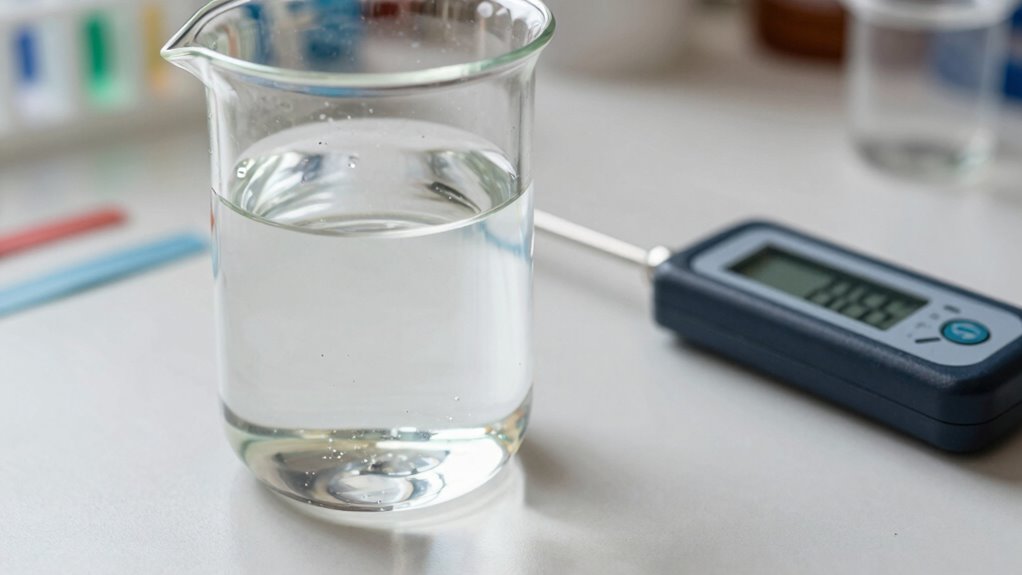
Water chemistry plays an essential role in brewing, as it directly affects the flavor, clarity, and overall quality of your beer. When you understand how to tweak your water’s mineral content and pH levels, you can considerably improve your brewing results. One of the first things to evaluate is water mineral adjustments. Your local tap water contains minerals like calcium, magnesium, sulfate, and chloride, which influence the taste and mouthfeel of your beer. For example, adding calcium helps with yeast health and improves clarity, while sulfate enhances hop bitterness and crispness. Chloride, on the other hand, can round out malt sweetness and give your beer a fuller body. If your water is too soft or lacking in these minerals, you can use mineral additions or brewing salts to bring it into the desired range. This way, you’re tailoring your water profile to suit the style you’re brewing, whether it’s a hoppy IPA or a malty stout.
Balancing pH is equally important because it impacts mash efficiency, enzyme activity, and ultimately, the beer’s flavor. pH balancing techniques involve measuring your water’s pH and adjusting it as needed. The ideal mash pH usually falls between 5.2 and 5.6, which optimizes starch conversion and minimizes off-flavors. If your water’s pH is too high or low, you can use acids like phosphoric or lactic acid to bring it down or add baking soda to raise it. Many brewers also use food-grade acids or mineral adjustments to stabilize the pH during the mash process. Regularly measuring your water’s pH with a reliable meter allows you to make precise adjustments, giving you more control over the final flavor of your beer. Additionally, understanding digital content formats can enhance the way you share your brewing knowledge with others.
As an affiliate, we earn on qualifying purchases.
Frequently Asked Questions
How Does Water pH Affect Beer Flavor?
Water pH crucially impacts your beer’s flavor, as it influences water mineralization and overall mash chemistry. If the pH is too low, your beer might taste sour or overly acidic; too high, and it could taste flat or dull. Proper pH balancing helps extract flavors efficiently and prevents off-flavors. Adjusting your water’s pH ensures a clean, well-rounded taste, enhancing the clarity and aroma of your final brew.
Can I Use Bottled Water for Homebrewing?
Using bottled water is like painting on a blank canvas—you have control over the outcome. Just check the label for artificial additives and mineral content, as they can influence your brew’s flavor. Opt for bottled water with a balanced mineral profile to avoid unwanted flavors or pH issues. If needed, adjust mineral levels to match your recipe, ensuring your homebrew turns out just as you envision.
What Minerals Are Most Important in Brewing Water?
The most important minerals in brewing water are calcium, magnesium, sulfate, chloride, and bicarbonate. These minerals influence water hardness and mineral balance, which affect your beer’s flavor and clarity. Calcium helps with enzyme activity and yeast health, while sulfate enhances hop bitterness. Magnesium supports fermentation. Maintaining the right mineral balance and controlling water hardness ensures ideal brewing conditions, ultimately leading to better-tasting beer.
How Do I Adjust Water Chemistry for Different Beer Styles?
You adjust water chemistry for different beer styles by using water mineral adjustments tailored to each style’s profile. For lighter beers, keep mineral levels low and focus on pH balancing techniques to achieve ideal mash pH. For darker beers, add minerals like calcium and sulfate to enhance flavor. Always measure your water, then fine-tune with mineral adjustments and pH balancing techniques to match the desired style’s characteristics.
Is Water Treatment Necessary for All Homebrewers?
You might not realize it, but water treatment can make a huge difference in your brew’s quality. It’s necessary if you want consistent water mineralization and proper pH balance, especially for certain styles. Even if you’re just starting out, adjusting your water guarantees your ingredients shine and flavors develop correctly. Neglecting water treatment might result in flat or off-flavored beer, so it’s worth the effort for a truly great homebrew.
As an affiliate, we earn on qualifying purchases.
Conclusion
Mastering water chemistry isn’t just a recipe; it’s the secret ingredient that transforms good beer into great. Think of your water profile as the canvas for your brewing masterpiece—every tweak and adjustment brings out the best in your brew. With a little knowledge and attention, you hold the brush to craft flavors that sing and shine. Embrace the process, and watch your homebrews rise like a phoenix, soaring to new levels of deliciousness.
As an affiliate, we earn on qualifying purchases.
As an affiliate, we earn on qualifying purchases.
NFL season / tailgating Picks
team gear
As an affiliate, we earn on qualifying purchases.