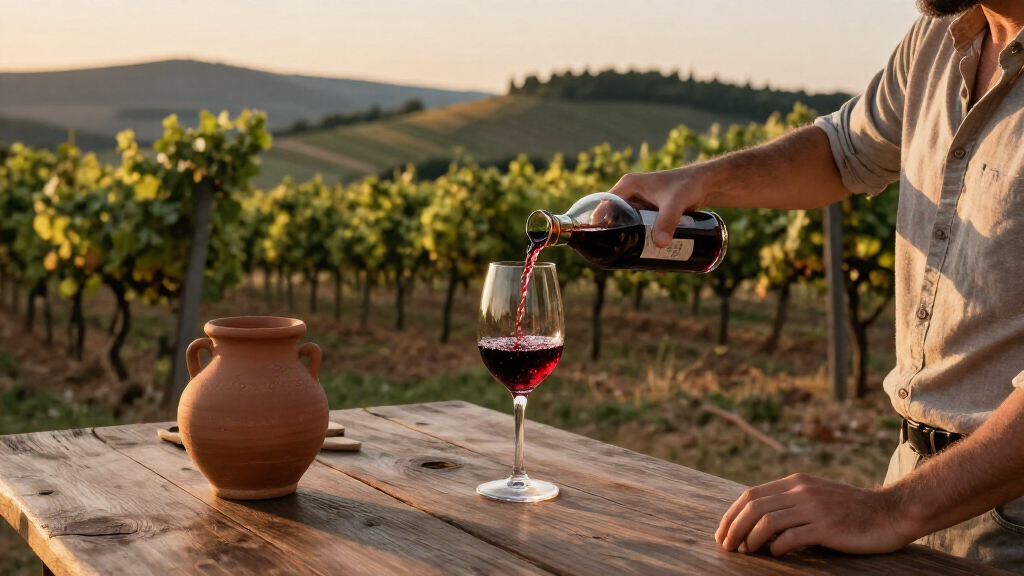

My picks for the best Italian red wines in this lineup suit three different kinds of tables. Globerati Sangiovese is the clearest choice for pasta night, with red cherry and dark chocolate notes described alongside a fruit-forward palate. Gran Conti Montepulciano d’Abruzzo stands out for buyers who want a traditional DOC wine with four years of cellaring, while Gran Conti Sangiovese offers a more mature Emilia-Romagna alternative, cellared for over two years.

Get the little things that make your day delivered free with Prime
- Fast, free delivery on millions of items
- Prime Video, Amazon Music and more included
- Member-only deals all year
The main tradeoff is between easy-to-match fruit and a stated food pairing versus cellaring and regional identity. Globerati gives the most concrete tasting and serving cues, though its vintage may vary. The Gran Conti bottles provide aging and classification details, but the supplied descriptions offer less about their specific aromas and flavors. I rank these wines by how clearly each gives a buyer a reason to choose it, then by its distinct role at the table.
Key Takeaways
- Globerati Sangiovese is the most straightforward pick for red-sauce pasta, with stated red-cherry and dark-chocolate notes and a vintage that may vary.
- Gran Conti Montepulciano d’Abruzzo has the strongest traditional credentials in this group: 100% Montepulciano, DOC classification, and four years of cellaring.
- Gran Conti Sangiovese suits shoppers who want an Emilia-Romagna Sangiovese described as cellared for over two years, rather than a bottle selected chiefly for explicit tasting notes.
- Only Globerati includes a stated ABV: 12%; the supplied details do not give alcohol levels for either Gran Conti wine.
- Descriptions provide limited guidance on serving temperature, sweetness, acidity, tannin, and exact vintage, so I would choose primarily by grape, stated aging, and planned food pairing.
| Globerati Sangiovese Red Wine, 750 mL Bottle |  | Best Overall for Red-Sauce Pasta | Wine type: Sangiovese | Origin: Italy | Region: Rubicone | VIEW LATEST PRICE | See Our Full Breakdown |
| Gran Conti Sangiovese Red Wine, 750 mL |  | Best for Emilia-Romagna Sangiovese | Origin: Italy | Classification: I.G.T. | Varietal: Sangiovese | VIEW LATEST PRICE | See Our Full Breakdown |
| Gran Conti Montepulciano d’Abruzzo Red Wine, 750 mL |  | Best Traditional DOC Pick | Origin: Italy | Wine type: Red wine | Grape: 100% Montepulciano | VIEW LATEST PRICE | See Our Full Breakdown |
| Italian red wine | Origin | Bottle size | Wine type | Region |
|---|---|---|---|---|
| Globerati Sangiovese Red Wine | Italy | 750 mL | Sangiovese | Rubicone |
| Gran Conti Sangiovese Red Wine | Italy | 750 mL | — | Emilia-Romagna |
| Gran Conti Montepulciano d’Abr | Italy | 750 mL | Red wine | — |
More Details on Our Top Picks
Globerati Sangiovese Red Wine, 750 mL Bottle
Globerati is my best overall pick because it gives the most practical guidance for choosing and serving a bottle from this group. The description identifies Sangiovese from Rubicone, Italy, and names red cherry, dark chocolate, and a fruit-forward palate. It also connects the wine to pork ragu, ravioli, and other red-sauce pasta dishes, which makes it easier to match with a meal than either Gran Conti listing.
That detail puts Globerati ahead of Gran Conti Sangiovese for a buyer choosing primarily around dinner: Gran Conti supplies a region and over two years of cellaring, but no specific tasting notes or pairings in the available description. Compared with Gran Conti Montepulciano d’Abruzzo, Globerati is less defined by formal classification and extended cellaring, yet more immediately legible as a weeknight pasta wine. Its stated 12% ABV is another useful point of comparison, though the other two listings do not provide alcohol figures.
The drawback is that the vintage may vary, so a buyer who wants one exact harvest year should not assume consistency from the listing. The 750 mL format is conventional, but the details provided do not establish sweetness, acidity, tannin, or how prominent the dark-chocolate note will be in a particular vintage. I would choose this bottle for the pairing and flavor cues, not for unsupported expectations about body or cellar potential. For buyers who want a defined traditional DOC selection, Gran Conti Montepulciano is the more specific alternative.
Pros:- Fruit-forward profile is explicitly described.
- Red-cherry and dark-chocolate notes give buyers clear flavor cues.
- Suggested pairings include pork ragu, ravioli, and red-sauce pasta.
- Lists a 12% ABV and 750 mL bottle size.
Cons:- Vintage may vary, which limits certainty about the exact bottle year.
- The supplied description does not specify sweetness, acidity, tannin, or serving temperature.
Best for: Buyers planning pork ragu, ravioli, or another red-sauce pasta meal who want stated cherry and dark-chocolate notes.
Not ideal for: Shoppers who need a guaranteed vintage or want a wine selected chiefly for a stated DOC classification and longer cellaring.
- Wine type:Sangiovese
- Origin:Italy
- Region:Rubicone
- Bottle size:750 mL
- Alcohol by volume:12%
- Vintage:May vary
- Stated notes:Red cherry and hints of dark chocolate
- Suggested pairings:Pork ragu, ravioli, and red-sauce pasta
Our verdict“I would choose Globerati for its clearest food-pairing guidance and stated fruit notes, while accepting that the vintage can change.”
Gran Conti Sangiovese Red Wine, 750 mL
Gran Conti Sangiovese is the region-and-cellaring pick for shoppers who want more than a grape name on the label. The listing identifies an Italian I.G.T. wine from Emilia-Romagna, made from selected grapes grown in Italy and cellared for over two years. That combination gives it a different appeal from Globerati: Globerati supplies specific fruit notes and pasta pairings, while Gran Conti foregrounds regional origin and time in cellar.
Against Gran Conti Montepulciano d’Abruzzo, this bottle offers a familiar point of continuity for buyers who already know they want Sangiovese. The Montepulciano has a more formal DOC designation and a stated four years of cellaring, so it has the stronger classification-and-aging case. Gran Conti Sangiovese, by contrast, is the option for someone who prefers the Sangiovese grape and Emilia-Romagna provenance over the longer stated cellaring of its sibling. The listing describes its character as shaped by time and winemaking knowledge, but does not give concrete aromas, food matches, or a detailed palate.
That lack of flavor detail is the main limitation. Over two years of cellaring does not tell me whether a buyer will find it light, robust, dry, or soft, and I would not infer those traits from the time alone. The supplied information also omits ABV and vintage. I would place this behind Globerati for shoppers seeking an easy dinner match and behind the Montepulciano for those drawn to DOC status and four years of cellaring. It makes most sense when the buyer values Emilia-Romagna Sangiovese and wants a bottle whose description emphasizes selected Italian grapes and extended cellaring.
Pros:- Identified as Sangiovese from Emilia-Romagna, Italy.
- Carries an I.G.T. designation.
- Made from selected grapes grown in Italy.
- Described as cellared for over two years.
Cons:- No specific aroma or palate notes are supplied.
- The listing does not name food pairings.
- ABV and vintage are not provided in the supplied details.
Best for: Sangiovese drinkers who want an Emilia-Romagna I.G.T. wine and value the stated cellaring of over two years.
Not ideal for: Buyers who need explicit tasting notes, a suggested food pairing, a listed ABV, or a specific vintage before choosing.
- Origin:Italy
- Classification:I.G.T.
- Varietal:Sangiovese
- Region:Emilia-Romagna
- Bottle size:750 mL
- Cellaring:Over two years
- Grape sourcing:Selected grapes grown in Italy
Our verdict“I would choose Gran Conti Sangiovese for its Emilia-Romagna identity and stated cellaring, but not when specific flavor or pairing guidance is the priority.”
Gran Conti Montepulciano d’Abruzzo Red Wine, 750 mL
Gran Conti Montepulciano d’Abruzzo is my traditional-classification pick, with the most clearly stated combination of grape, designation, and cellaring in the lineup. The listing describes it as 100% Montepulciano, DOC, and cellared for four years. Those specifics make it the most defined option for a buyer who wants to select by traditional DOC identity and named grape, rather than by a short list of tasting notes.
Its four years of cellaring set it apart from Gran Conti Sangiovese, which is described as cellared for over two years. That gives Montepulciano the stronger time-in-cellar detail, though I would not treat the difference as proof that every buyer will prefer its taste. Globerati remains the more accessible choice for a meal plan because it names cherry and chocolate notes and recommends red-sauce pasta. Gran Conti Montepulciano does not include supplied flavor or pairing guidance, so a shopper who wants a clearer expectation of the glass may find Globerati easier to select.
The tradeoff is a well-defined production identity with fewer practical tasting cues. The product details call it traditional and distinctive, but do not spell out acidity, tannin, body, sweetness, or aroma. They also omit ABV and vintage. I would not buy it solely because four years sounds longer; I would choose it when DOC Montepulciano d’Abruzzo is the specific style sought and the classification matters more than a detailed flavor description. If the decision hinges on food matching or a named tasting profile, Globerati has the more useful listing; if it hinges on Sangiovese, Gran Conti’s other bottle is the closer fit.
Pros:- Made with 100% Montepulciano, according to the listing.
- Identified as DOC Montepulciano d’Abruzzo.
- Described as cellared for four years.
- Made from selected grapes grown in Italy.
Cons:- No specific tasting notes are supplied.
- The listing does not suggest food pairings.
- ABV and vintage are not included in the supplied details.
Best for: Buyers seeking a 100% Montepulciano d’Abruzzo with DOC classification and a stated four years of cellaring.
Not ideal for: Shoppers who rely on explicit aroma, palate, ABV, vintage, or meal-pairing information to choose a red wine.
- Origin:Italy
- Wine type:Red wine
- Grape:100% Montepulciano
- Classification:DOC
- Appellation:Montepulciano d’Abruzzo
- Cellaring:Four years
- Bottle size:750 mL
- Grape sourcing:Selected grapes grown in Italy
Our verdict“I would pick this bottle when DOC Montepulciano d’Abruzzo and a four-year cellaring detail matter more than explicit tasting or pairing notes.”
How We Picked
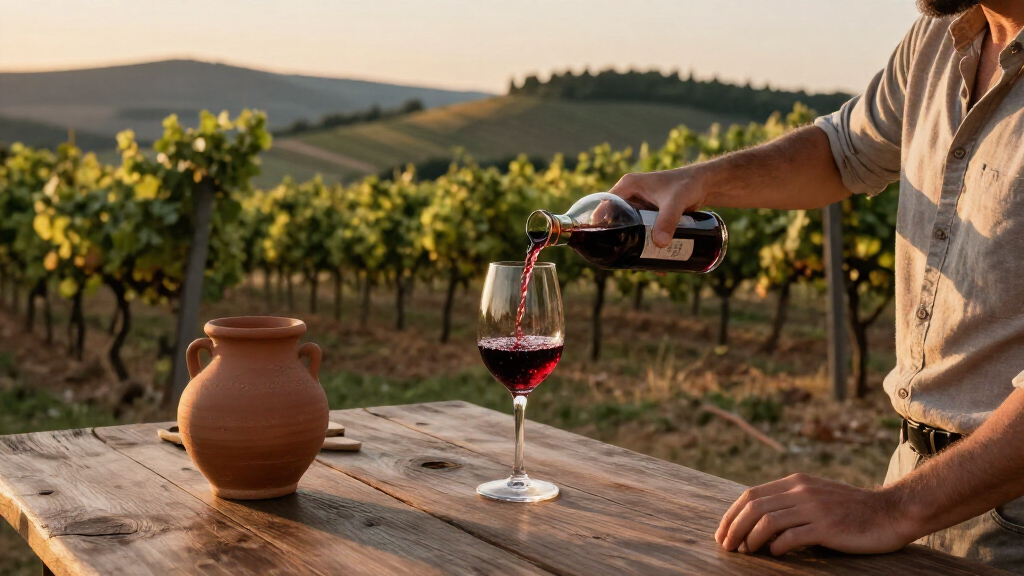
I compared the three listed wines as Italian red-wine choices, not as interchangeable bottles. My ranking gives weight to useful information a buyer can act on: stated grape and region, classification where supplied, cellaring details, tasting notes, and food-pairing guidance. I also looked at how much each description tells a reader before opening the bottle. That matters here because the wines do not come with equally detailed flavor profiles.
Globerati takes the leading position because its red-cherry and dark-chocolate notes, fruit-forward style, and red-sauce pasta pairing create a specific use case. Its vintage may vary, so I do not treat the listed profile as a guarantee of an identical bottle every time. Gran Conti Montepulciano ranks next for its clearly stated DOC classification, 100% grape composition, and four years of cellaring. Those details make it the most defined traditional choice, although the supplied information says little about its flavor. Gran Conti Sangiovese follows as a focused Emilia-Romagna option with over two years of cellaring, but without the more specific tasting or pairing cues offered by Globerati.
I have not filled gaps with assumed tasting claims. For example, the supplied details do not establish whether either Gran Conti wine is especially bold, smooth, dry, or tannic, so I avoid presenting those traits as facts. Cellaring time is a differentiator, not a promise of personal preference: a longer period alone does not tell every buyer which bottle will taste best. My recommendations reflect the information provided, and shoppers who need a particular vintage, serving style, or flavor intensity should check the bottle details available before purchase.
| Italian red wine | Wine type | Region | Classification | Cellaring |
|---|---|---|---|---|
| Globerati Sangiovese Red Wine | Sangiovese | Rubicone | — | — |
| Gran Conti Sangiovese Red Wine | — | Emilia-Romagna | I.G.T. | Over two years |
| Gran Conti Montepulciano d’Abr | Red wine | — | DOC | Four years |
Factors to Consider When Choosing Best Italian Red Wines
I would choose among these bottles by starting with the information that most changes the decision: what grape and region I want, whether I need food-pairing guidance, and how much weight I place on cellaring or classification. The listings do not supply equally rich tasting profiles, so the most useful choice depends on which details matter to you.Choose by the kind of guidance you want
If I wanted a bottle with a direct dinner suggestion, I would start with Globerati Sangiovese. Its listed red-cherry and dark-chocolate notes, along with pork ragu, ravioli, and red-sauce pasta pairings, provide a clearer picture of its intended role. Neither Gran Conti listing supplies that level of meal guidance. That does not establish that the Gran Conti wines cannot accompany pasta; it means the available descriptions do not give the same explicit recommendation.
For a buyer who is comfortable choosing by appellation, grape, and cellaring details, the Gran Conti wines may be a better match. Gran Conti Sangiovese is tied to Emilia-Romagna and over two years of cellaring. Gran Conti Montepulciano d’Abruzzo has a DOC classification and four years of cellaring. Those are useful distinctions, but they cannot replace a detailed palate description if you need to know a specific flavor or texture in advance.
Understand grape and regional differences
Two bottles here are Sangiovese, but they are not presented in the same way. Globerati comes from Rubicone and has the strongest supplied flavor and pairing information. Gran Conti Sangiovese is identified as an Emilia-Romagna I.G.T. made with selected Italian grapes and cellared for over two years. Choose between those two by the kind of evidence you value: concrete tasting cues and a meal match, or region and cellaring detail.
The third bottle is 100% Montepulciano d’Abruzzo, making it the only option here built around that grape. It is also the only one explicitly described as DOC. I would treat that as a useful way to identify its stated style and origin, not as a guarantee that it will suit every palate better than the Sangiovese bottles. If you already have a preference for Montepulciano, the Gran Conti listing gives you a clear route; if your preference is Sangiovese, the other two are the relevant comparison.
Read cellaring details without overinterpreting them
The two Gran Conti wines foreground time in cellar: over two years for Sangiovese and four years for Montepulciano. That difference can help a buyer distinguish the listings, but the supplied data does not explain the aging process or describe how it affects the finished wine. I would not use the number of years alone to predict body, softness, complexity, or how much a bottle may improve after purchase.
Globerati does not list a cellaring period, but it gives more direct information about fruit notes and food pairing. So the choice is not simply newer versus older or less versus more mature. It is a choice between tasting-and-table cues and stated cellaring details. Buyers especially interested in vintage or cellar history should confirm those details for the specific bottle they are considering, since Globerati’s vintage may vary and the Gran Conti listings do not state a vintage.
Use classification as one clue, not the whole decision
Gran Conti Sangiovese is listed as I.G.T.; Gran Conti Montepulciano d’Abruzzo is listed as DOC. These labels distinguish the descriptions supplied for the two wines, and they can help shoppers narrow a selection around a preferred classification. Classification alone does not tell me which bottle will taste best to you, especially when detailed notes on acidity, tannin, sweetness, and aroma are absent.
If the DOC designation is your priority, the Montepulciano is the clear fit in this set. If you want an Emilia-Romagna Sangiovese with a stated I.G.T. designation, Gran Conti Sangiovese is the match. For buyers less focused on classification and more interested in how a wine is described at the table, Globerati provides the most actionable flavor and pairing information.
Check the missing details before buying
Only Globerati lists an ABV in the supplied specifications, at 12%. The Gran Conti listings do not provide alcohol levels, and none of the three descriptions gives a complete account of sweetness, acidity, tannin, or serving temperature. Do not assume the wines share a particular body or flavor intensity based on grape, classification, or cellaring time alone.
Vintage is another practical detail: Globerati explicitly says it may vary, while the supplied Gran Conti information does not identify a vintage. If the harvest year matters to you, check the specific bottle listing or label before ordering. I would also verify current product details where available, since the selection decision here rests on the supplied descriptions and bottle specifications rather than a promise that every listing detail will stay unchanged.
Match the bottle to the meal and occasion
For a meal built around red sauce, pork ragu, or ravioli, Globerati has the strongest case because those pairings are stated directly. For a table where the wine choice starts with an interest in DOC Montepulciano d’Abruzzo, Gran Conti Montepulciano is the more relevant pick. For someone who wants an Emilia-Romagna Sangiovese with a listed cellaring period, Gran Conti Sangiovese fills that role.
If you are buying without a planned dish, decide which facts matter most instead of expecting all three listings to provide the same kind of detail. I would favor Globerati when accessible tasting notes help me choose, Gran Conti Sangiovese when region and grape are the draw, and the Montepulciano when classification and the four-year cellaring statement are the deciding factors. That approach keeps the recommendation tied to what each bottle actually says.
Frequently Asked Questions
Which of these Italian red wines is the easiest to pair with pasta?
Globerati Sangiovese is the most direct pasta choice in this comparison because its description specifically names pork ragu, ravioli, and other red-sauce pasta dishes. It also provides red-cherry and dark-chocolate notes, giving buyers more flavor guidance than the Gran Conti listings. The two Gran Conti wines may still suit a pasta meal, but their supplied details do not name specific pairings.
What is the difference between the two Sangiovese wines?
Globerati is a Rubicone Sangiovese with a fruit-forward profile, stated cherry and dark-chocolate notes, and explicit red-sauce pasta pairings. Gran Conti is an Emilia-Romagna I.G.T. Sangiovese made from selected Italian grapes and described as cellared for over two years. Pick Globerati for clearer food and flavor cues; pick Gran Conti for its stated regional identity and cellaring detail.
Which bottle has the clearest traditional classification?
Gran Conti Montepulciano d’Abruzzo is the bottle in this lineup explicitly identified as DOC. The listing also describes it as 100% Montepulciano and cellared for four years. Gran Conti Sangiovese is listed as I.G.T., while Globerati’s supplied specifications identify its grape and Rubicone origin without giving a classification. A designation can help narrow your choice, but it does not provide a full flavor profile.
Does longer cellaring mean the Montepulciano is automatically the better wine?
No. The Montepulciano is described as cellared for four years, compared with over two years for Gran Conti Sangiovese, but the supplied information does not explain the aging method or its effect on taste. Cellaring time is a useful point of difference, not a universal measure of quality or preference. Choose the Montepulciano if its grape and DOC identity appeal to you, rather than relying on the number of years alone.
Which product details should I verify before ordering?
Check the specific bottle’s vintage if the year matters, particularly for Globerati, whose vintage may vary. The supplied listings do not give ABV for either Gran Conti wine, and they do not provide complete details on sweetness, acidity, tannin, or serving temperature. Confirm current bottle information and label details if any of those factors affect your choice, since the descriptions here do not answer every tasting question.
Conclusion
My recommendation depends on what you want from the bottle. For a red-sauce pasta dinner and the clearest stated flavor cues, I would choose Globerati Sangiovese, while keeping its variable vintage in mind. For a buyer who specifically wants DOC Montepulciano d’Abruzzo and values the listed four years of cellaring, Gran Conti Montepulciano is the more focused choice. If your preference is Emilia-Romagna Sangiovese and you want a stated cellaring period of over two years, Gran Conti Sangiovese fills that niche.
Globerati ranks first for its practical pairing guidance, not because the other wines lack merit. The Gran Conti bottles make more sense for shoppers choosing by regional identity, grape, classification, and cellaring details. I would use those distinctions to make the final call—and check the bottle’s current vintage and available specifications if a particular year or alcohol level matters.