
You should add delicate herbs, microgreens, or fresh sauces just before serving to keep them vibrant and crisp. For infusing flavors, incorporate herbs or spices during cooking to deepen the dish’s taste. Garnishes meant to enhance presentation, like grated cheese or sauces, are best added at the very end right before plating. Timing depends on the ingredient’s purpose—if you want your dish to look appealing and taste fresh, understanding when to garnish makes all the difference. Keep exploring to master perfect garnish timing.

Get the little things that make your day delivered free with Prime
- Fast, free delivery on millions of items
- Prime Video, Amazon Music and more included
- Member-only deals all year
Key Takeaways
- Garnishes added during cooking infuse flavors but may lose freshness if added too early.
- Finishing garnishes are best applied just before serving to preserve visual appeal and texture.
- Delicate herbs and microgreens should be added last to maintain freshness and vibrancy.
- Incorporating garnishes during cooking enhances the overall flavor profile of the dish.
- Proper timing depends on ingredient type and desired visual and taste effects.
Garnish Timing
Garnish timing can make or break the presentation and flavor of your dish, so it’s vital to add garnishes at the right moment. When you consider plate presentation, the timing of your garnish can elevate the visual appeal, making your dish more enticing. A well-placed garnish adds a pop of color or texture that complements the main ingredients, drawing the eye and creating a balanced look. But beyond aesthetics, the timing also impacts flavor enhancement. To maximize both, you need to be strategic about when you add your garnishes.
If you add a garnish too early, it risks becoming soggy or losing its vibrancy. For instance, delicate herbs or fresh microgreens can wilt or discolor if they sit on the plate too long, especially if they’ve been exposed to heat or moisture. This not only diminishes the visual appeal but also weakens their contribution to flavor. Conversely, if you add them right before serving, you preserve their freshness, brightness, and crunch, ensuring they deliver their full flavor impact at the moment your dish is enjoyed.
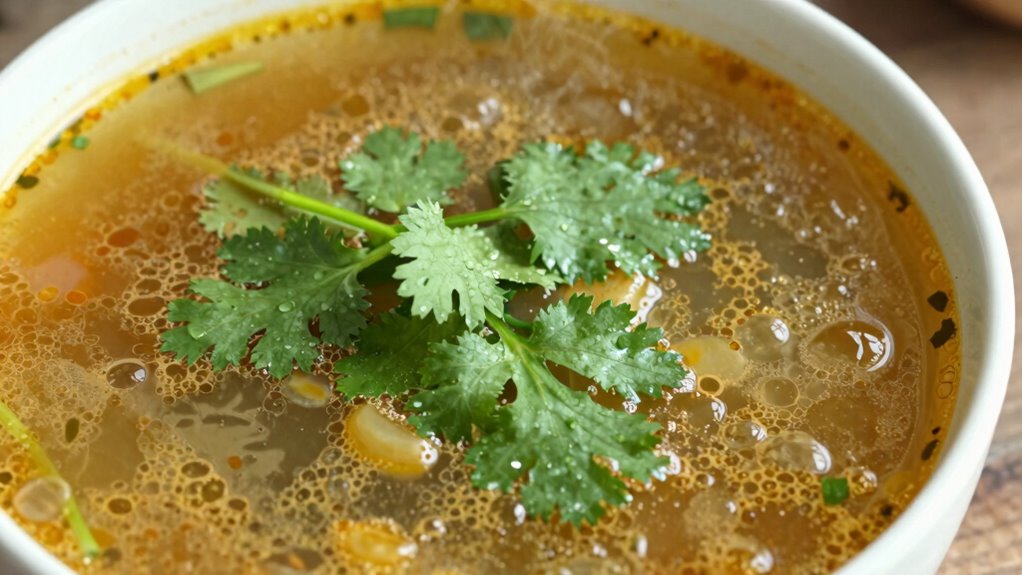
Adding garnishes during cooking can also serve a functional purpose. For example, tossing herbs or spices into a hot broth early on allows their flavors to infuse more deeply, creating a richer taste experience. In this case, the garnish is part of the cooking process, contributing to flavor enhancement from the start. However, if the goal is to provide a fresh burst of flavor or a crisp texture, you should wait until just before plating.
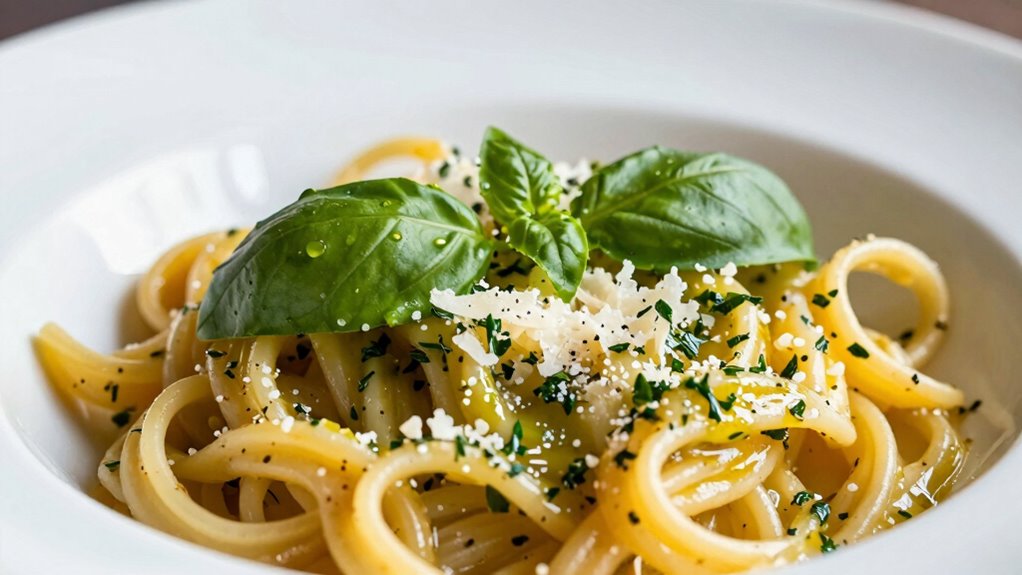
Timing is also vital when you want the garnish to serve as a finishing touch. For example, a drizzle of sauce or a sprinkle of grated cheese is often best added just before serving. This ensures the visual impact is maximized and the flavor profile remains intact. When you do this, you’re creating a sensory experience that’s both visually appealing and tastefully balanced.
Ultimately, your choice of when to garnish depends on the ingredient and the effect you want to achieve. For a vibrant, fresh look and taste, add delicate herbs and microgreens at the last moment. For infusion or heat integration, incorporate garnishes during cooking. And for aesthetic finishing touches, sprinkle or drizzle right before serving. Being mindful of timing allows you to optimize both plate presentation and flavor enhancement, turning your dishes into true culinary works of art. Additionally, understanding digital content formats can enhance your approach to presenting culinary ideas online.
Products Worth Considering

Sonos Era 100 SL Compact Microphone-Free Speaker, Black

Roborock Robot Vacuum and Mop with LiDAR Navigation and 10,000 Pa Suction

Samsung 42-Inch S90H OLED 4K Smart TV Bundle
As an affiliate, we earn on qualifying purchases.
Frequently Asked Questions
Does Garnish Timing Affect the Flavor Profile of the Dish?
Yes, garnish timing can affect the flavor profile of your dish. When you add a garnish at the right moment, it enhances flavor and provides a fresh, vibrant taste. Adding it too early might cause flavors to fade, while adding it too late preserves aroma and texture contrast. Proper timing guarantees your garnish boosts flavor enhancement and adds a delightful texture contrast, making every bite more appealing.
Are Some Garnishes Better Suited for Specific Types of Dishes?
Yes, some garnishes suit specific dishes better. For example, a fresh herb like basil complements Italian dishes, while citrus zest enhances seafood or desserts. You should add fresh herbs after cooking to preserve their aroma and flavor, whereas citrus zest can be added during or after cooking for a bright, fresh touch. Matching garnishes to dishes elevates their flavor profile and presentation, making your meals more appealing.
Can Garnish Timing Influence the Dish’s Presentation?
Did you know that plates with garnishes have a 62% higher chance of impressing diners? Garnish timing can considerably influence the dish’s presentation. When done before, it enhances plate aesthetics; during, it adds freshness; after, it highlights visual appeal. Your choice impacts how attractive your dish looks and feels, making it more inviting. Proper timing guarantees your garnishes complement the overall look, elevating the dining experience.
Is There a Universally Best Time to Garnish Every Meal?
There’s no universal best time to garnish every meal, as it depends on the dish and cultural significance. In culinary traditions, garnishing during or just after plating often highlights freshness and visual appeal, while some cultures favor garnishing beforehand for symbolic reasons. Your choice influences presentation and flavor, so consider the dish’s nature and cultural context to decide the best timing for garnishing your meal.
How Does Garnish Timing Impact the Dish’s Aroma?
Garnish timing considerably impacts your dish’s aroma. When you add herbs during cooking, they infuse the dish with a richer aroma, enhancing flavor depth. Garnishing after cooking preserves the fresh, vibrant aroma, providing an immediate sensory boost. Adding herbs during or just after cooking allows for herb infusion, which intensifies aroma enhancement. Timing creates a layered aroma experience, making your dish more fragrant and appealing.
Conclusion
Ultimately, the timing of your garnish is like the final brushstroke on a masterpiece—it can make or break the entire dish. Whether you add it before, during, or after, think of it as the seasoning that elevates your flavors and visual appeal. So, trust your instincts and the story you want to tell through your dish. Remember, a well-timed garnish is the spark that turns a good meal into an unforgettable experience.