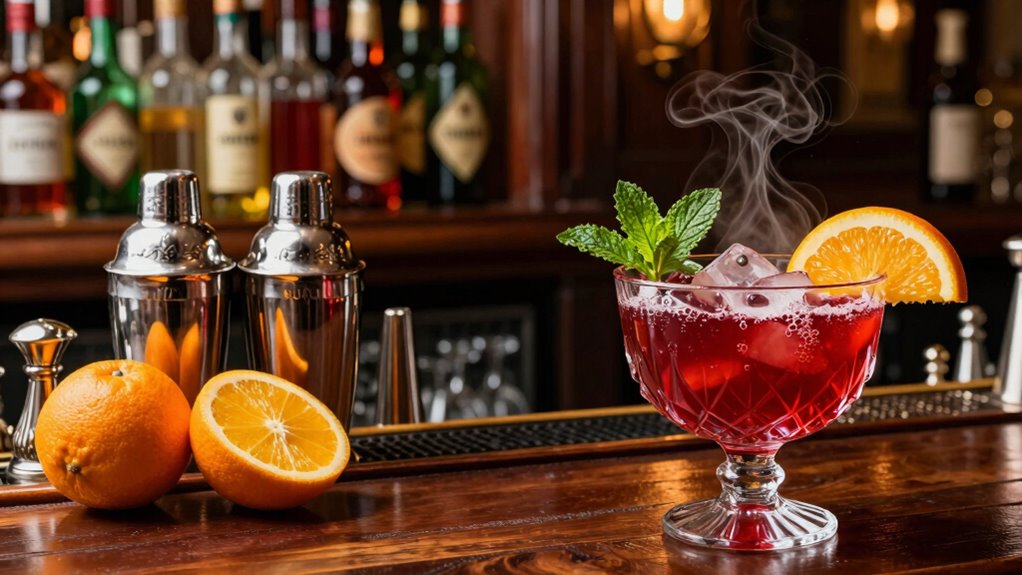

Punch, a colorful, communal drink, dates back centuries before cocktails gained popularity. Its roots trace to medieval India, where it was a medicinal beverage made with five ingredients: alcohol, sugar, citrus, water, and spices. Over time, punch traveled through Persia and Europe, evolving into regional variations like Caribbean rums and Japanese sake punches. Its role as a symbol of hospitality and celebration has endured, connecting people across cultures. Keep exploring to uncover more fascinating aspects of punch’s rich history.

Get the little things that make your day delivered free with Prime
- Fast, free delivery on millions of items
- Prime Video, Amazon Music and more included
- Member-only deals all year
Key Takeaways
- Punch originated in India as a medicinal drink with five key ingredients, predating modern cocktails.
- Its name “punch” likely comes from the Hindi word “panch,” meaning five, referencing its traditional ingredients.
- The beverage spread from India to Persia and Europe, evolving into diverse regional versions over centuries.
- Punch has historically served as a communal, celebratory drink, fostering social bonding long before cocktail culture emerged.
- Its colorful presentation and adaptable recipes have maintained its status as a popular party beverage worldwide.
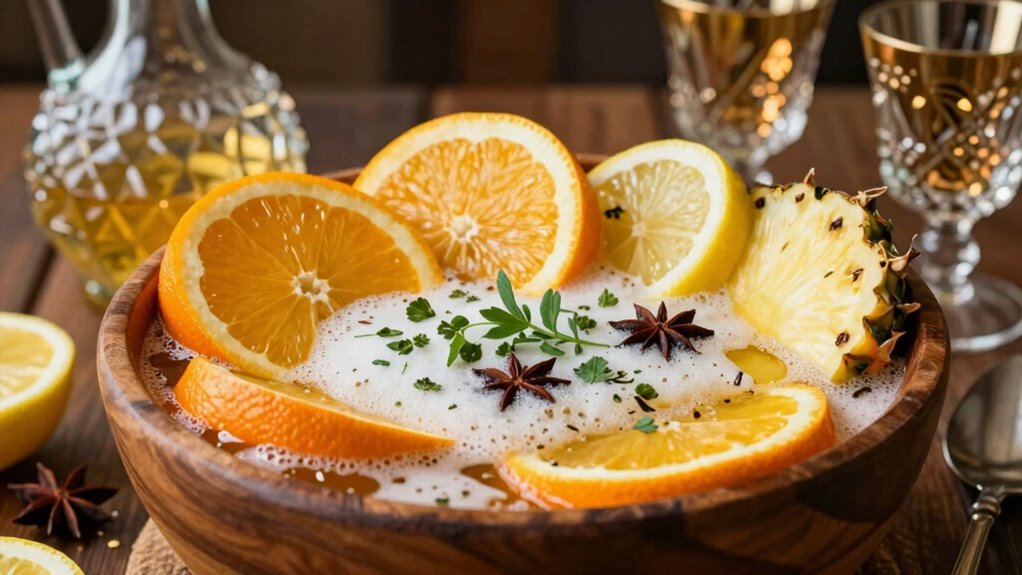
Have you ever wondered where the punch originated and how it became such a popular form of entertainment? The story begins in medieval times, where its roots stretch back to a period of rich cultural exchange. The term “punch” is believed to derive from the Hindi word “panch,” meaning five, referencing the five key ingredients traditionally used: alcohol, sugar, citrus, water, and spices. During the medieval period, this beverage traveled from India to Persia and then into Europe, where it quickly gained popularity among traders and aristocrats alike. Its appeal lay in the combination of flavors and the social aspect of sharing a communal drink, setting the stage for what would become a worldwide phenomenon.
As the centuries passed, punch evolved into various forms across different regions, leading to its many global variations. In the Caribbean, for example, punch often features tropical fruits and rums, creating a sweet and potent concoction perfect for island life. In Japan, a similar concept is seen in the hava or fruit-infused sake drinks, which emphasize delicate flavors and presentation. Meanwhile, in the United States, punch became a staple at large gatherings and parties, especially during the 19th and early 20th centuries. Here, it often took on a more festive and colorful character, with large bowls filled with brightly colored liquids, garnished with fruit slices and umbrellas. The diversity of ingredients and presentation styles across these regions underscores how adaptable punch is, reflecting local tastes and available ingredients.
Throughout history, punch has maintained its role as a communal beverage, bringing people together in celebration or casual conversation. Its medieval origins emphasize a tradition of hospitality and sharing, which persists in modern party settings. While the basic concept remains the same—combining alcohol with mixers and flavorings—the variations are endless, tailored to cultural preferences and social customs. From its humble beginnings as a medicinal concoction in India to a symbol of conviviality worldwide, punch’s journey is a testament to its enduring appeal. Whether served at a formal gathering or a casual backyard barbecue, this drink continues to connect people through its rich history and vibrant diversity, making it more than just a beverage; it’s a celebration of human social life.
As an affiliate, we earn on qualifying purchases.
Frequently Asked Questions
What Are the Most Popular Modern Punch Recipes?
You’ll find that popular modern punch recipes often feature vibrant flavor combinations like citrus with berries or tropical fruits with rum. To serve them perfectly, use large bowls or dispensers with ice to keep everything chilled. You can add fresh herbs or slices for presentation and flavor. These serving techniques make your punch visually appealing and invigorating, ensuring your guests enjoy a delicious, well-balanced drink that’s easy to share.
How Did Punch Spread Globally Across Different Cultures?
Like a ripple spreading across a pond, punch traveled through trade routes and colonial exchanges, shaping its journey worldwide. You see, its spread was driven by cultural adaptation and regional variations, where each society added local ingredients and flavors. This flexibility made punch a universal symbol of celebration, blending traditions and tastes. Its global voyage highlights how cultural exchange turns a simple drink into a shared, festive experience across diverse cultures.
What Are the Traditional Ingredients in Ancient Punch Recipes?
You’ll find that ancient punch recipes typically include fermented ingredients like citrus juices or fermented spirits, combined with sweeteners such as honey or sugar. You might also see spices like ginger or cloves for added flavor. These recipes use fermentation techniques to develop complex flavors, creating vibrant flavor combinations that make punch a versatile, invigorating party drink. The balance of acidity, sweetness, and spice defines its traditional appeal.
How Has Punch Evolved Over the Centuries?
Imagine sipping punch at a modern party—over centuries, it’s evolved remarkably. You see, historical variations shaped by cultural influences introduced new ingredients, flavors, and presentation styles, transforming punch from simple mixed drinks into global festivities. Today, you might find tropical fruits in Caribbean versions or spicy notes in Asian-inspired recipes. This evolution makes punch a versatile, timeless beverage that reflects different eras and cultures, keeping it lively and relevant.
Are There Health Benefits Associated With Punch Consumption?
Yes, punch can offer health benefits if enjoyed with alcohol moderation. Many traditional punch recipes include fruits, herbs, and spices, which can boost your immune system and provide antioxidants. By drinking punch in moderation, you can enjoy these immune-boosting properties without overindulging in alcohol, reducing the risk of negative health effects. Just remember, moderation is key to making punch a beneficial addition to your social gatherings.
As an affiliate, we earn on qualifying purchases.
Conclusion
As you sip on punch, you’re tasting more than just a drink—you’re tasting centuries of history, a liquid tapestry woven with global threads. It predates cocktails, carrying the echoes of colonial ports and lively gatherings. Punch’s story is a dance of cultures and flavors, a timeless melody that continues to enchant. So, next time you raise your glass, remember you’re partaking in a tradition as old as the tides, a toast to humanity’s shared love for celebration and connection.
As an affiliate, we earn on qualifying purchases.
As an affiliate, we earn on qualifying purchases.
Halloween Picks
halloween
As an affiliate, we earn on qualifying purchases.