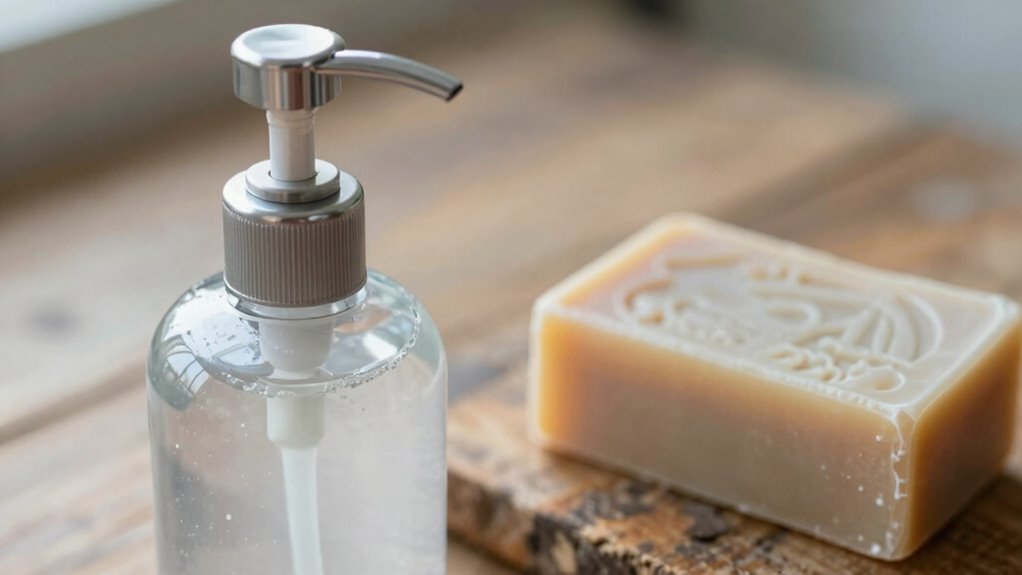

When choosing between soap and sanitizer, use soap and water when your hands are visibly dirty, greasy, or after handling food or gardening, as it physically removes dirt and microbes. Hand sanitizer is best when soap isn’t available, especially in transit or after touching public surfaces, but it’s less effective on visibly dirty hands. To learn more about how to use each effectively, keep exploring these hygiene tips.

Get the little things that make your day delivered free with Prime
- Fast, free delivery on millions of items
- Prime Video, Amazon Music and more included
- Member-only deals all year
Key Takeaways
- Use soap and water when hands are visibly dirty, greasy, or after handling food or soil.
- Opt for hand sanitizer when soap and water are unavailable and hands are not visibly dirty.
- Soap and water physically remove dirt, grease, and microbes, making them more effective in thorough cleaning.
- Hand sanitizer is quick and convenient for disinfecting on the go but less effective on dirty or greasy hands.
- Both methods are complementary; choose soap for deep cleaning and sanitizer for rapid disinfection when necessary.
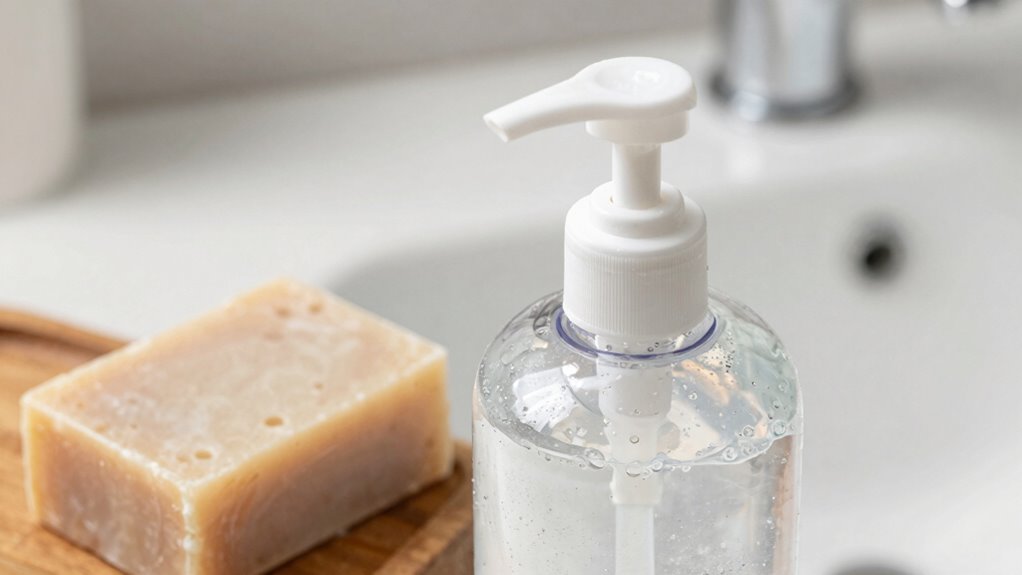
Have you ever wondered whether sanitizer or soap is more effective for hand hygiene? The truth is, both play essential roles in maintaining cleanliness, but their effectiveness depends on the situation. Hand hygiene is necessary for preventing the spread of germs, and choosing the right method can make a significant difference. When it comes to environmental cleaning, keeping surfaces and hands free of harmful bacteria and viruses is critical, especially during flu season or a pandemic.
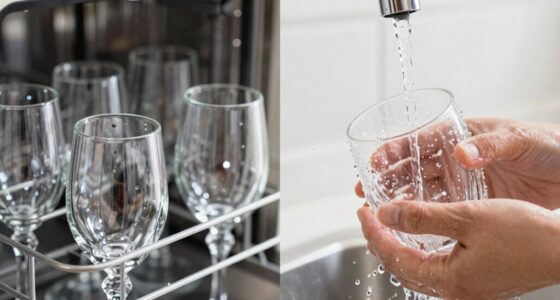
Soap and water are generally the gold standard for thorough cleaning. When you wash your hands with soap, you’re physically removing dirt, grease, and microbes from your skin. The process of scrubbing creates a lather that lifts germs off the surface of your skin, which are then washed away with water. This method is particularly effective when your hands are visibly dirty or greasy—think after gardening, handling food, or using public transportation. Soap and water also have the advantage of being effective against a wide range of germs, including bacteria, viruses, and fungi, and they don’t rely on chemicals to do their job. Proper handwashing technique—scrubbing for at least 20 seconds—ensures maximum removal of microbes and supports overall environmental cleaning efforts.
On the other hand, hand sanitizer, especially alcohol-based formulas containing at least 60% alcohol, offers a quick and convenient way to disinfect when soap and water aren’t available. Sanitizer kills many germs on contact, but it doesn’t remove dirt and grime as effectively as soap. That means if your hands are visibly dirty or greasy, sanitizer won’t be as effective. Hand sanitizer is particularly useful in situations where environmental cleaning is tough or impractical, like before entering a meeting or after touching public surfaces. It’s also a good backup when you’re on the go and can’t wash your hands properly. Keep in mind, though, that over-reliance on sanitizer can lead to skin dryness and might not eliminate all types of germs, especially some viruses with tougher outer shells. Additionally, understanding the role of color accuracy in visual displays can also be crucial when considering the effectiveness of sanitizers used in various settings.
As an affiliate, we earn on qualifying purchases.
Frequently Asked Questions
Can Hand Sanitizer Replace Soap in All Situations?
Hand sanitizer can’t replace soap in all situations. While sanitizer is a good alternative hand hygiene method when soap and water aren’t available, it doesn’t remove dirt, grease, or certain germs effectively. For a thorough clean, especially after touching surfaces or handling food, soap and water are more reliable. Comparing sanitizer options, choose an alcohol-based one with at least 60% alcohol for better protection.
Are There Any Health Risks Associated With Frequent Sanitizer Use?
Using hand sanitizer is like walking a tightrope—there’s a risk if you’re not careful. Frequent sanitizer use can lead to health risks such as skin irritation, dryness, and possible chemical exposure, especially with antibacterial effects. While it’s effective against germs, overuse might weaken your skin’s natural defenses or cause allergic reactions. To stay safe, balance sanitizer use with soap and water, and avoid excessive application.
How Effective Is Sanitizer Against Different Types of Germs?
Sanitizer effectively kills many germs, especially bacteria and some viruses, by disrupting their outer layers, but its germ eradication ability varies. Compared to soap and water, its effectiveness is slightly lower, especially against certain viruses like norovirus or spores. For overall germ eradication, soap and water are preferable, but sanitizer is a convenient alternative when soap isn’t available, providing quick, effective disinfection against common germs.
Should Children Use Hand Sanitizer or Soap?
Children should primarily use soap for handwashing, especially in daily routines, because it effectively removes dirt and germs. Hand sanitizer can be a good backup when soap and water aren’t available, but it’s not ideal for frequent use, particularly for children’s hygiene. You should consider their sanitizer preferences, but always prioritize soap and water for thorough cleaning. This helps protect their health while encouraging good hygiene habits.
Can Sanitizer Damage Skin With Frequent Use?
Think of hand sanitizer like a quick shield that can wear down your skin if used too often. Yes, frequent use can cause skin irritation because of the alcohol concentration, which dries out your skin and weakens its natural barrier. If you notice redness or cracking, it’s best to switch to soap and water or apply moisturizer. Moderation helps keep your skin healthy while keeping germs at bay.
alcohol-based hand sanitizer 60%
As an affiliate, we earn on qualifying purchases.
As an affiliate, we earn on qualifying purchases.
Conclusion
When choosing between sanitizer and soap, remember that soap is your best bet for thorough cleaning, especially when hands are visibly dirty. Hand sanitizers work well in a pinch, but only kill germs on the surface. Did you know that using soap and water can remove up to 99% of germs, while sanitizer might only eliminate about 90%? Next time, think about your situation—sometimes, a quick rinse with soap is your strongest defense.
hand sanitizer with moisturizing ingredients
As an affiliate, we earn on qualifying purchases.
As an affiliate, we earn on qualifying purchases.
As an affiliate, we earn on qualifying purchases.
NFL season / tailgating Picks
team gear
As an affiliate, we earn on qualifying purchases.