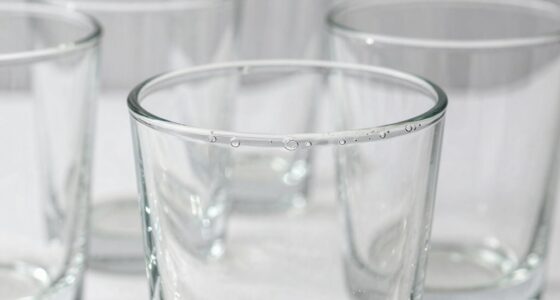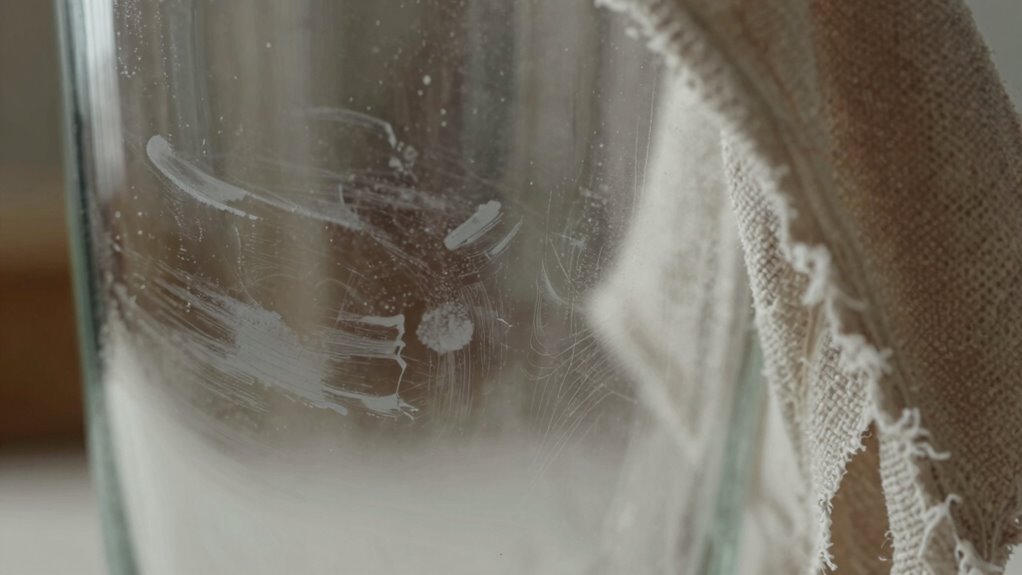

Using an abrasive or dirty cloth can cause streaks and smears on your glassware. Soft microfiber or lint-free cloths are best, as they gently clean without leaving fibers or residue. Avoid using old towels, rough sponges, or cloths that still have detergent buildup, which can trap dirt and create streaks. Properly caring for your cleaning cloths is key to keeping glassware crystal clear. Keep going to discover more tips for spotless results.

Get the little things that make your day delivered free with Prime
- Fast, free delivery on millions of items
- Prime Video, Amazon Music and more included
- Member-only deals all year
Key Takeaways
- Using abrasive or dirty cloths can scratch glassware and trap residues, leading to smears and streaks.
- Cloths not properly rinsed or dried may deposit residues onto glass surfaces, causing smears.
- Reusing contaminated or lint-laden cloths spreads residues, worsening streaking and cloudiness.
- Using rough or inappropriate fabrics can leave fibers and residues that cause smears.
- Dirty or improperly maintained cloths reduce cleaning effectiveness, increasing the likelihood of streaks.
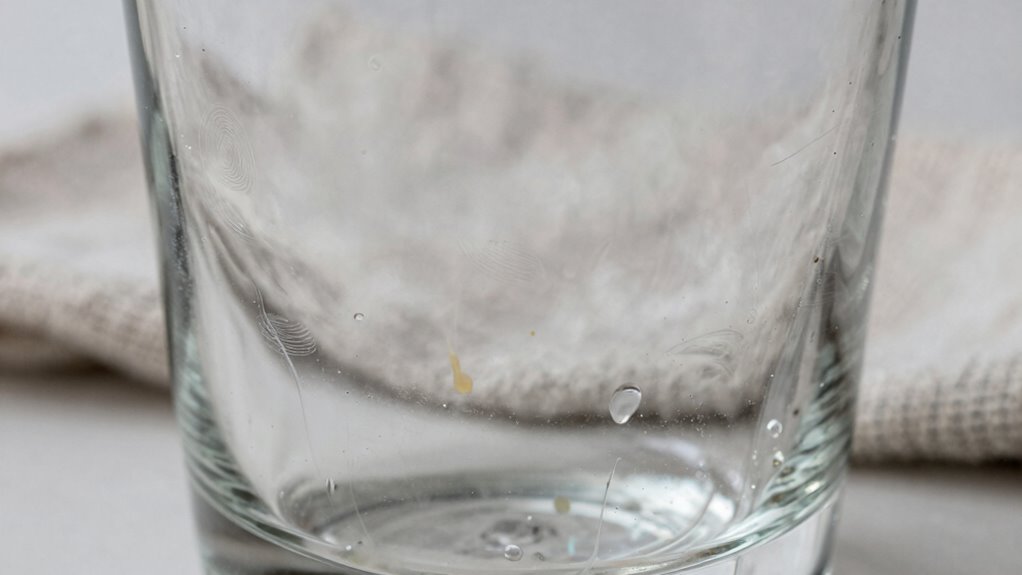
Glassware Smears
Glassware smears are a common problem in laboratories and kitchens alike, often caused by residues from previous use or improper cleaning. When you notice streaks or cloudy spots on your glassware, it’s usually a sign that cleaning techniques weren’t thorough enough or that the types of glassware you’re using require specific care. Different types of glassware—beakers, test tubes, measuring cylinders, or petri dishes—each have unique surfaces and materials, which means they may need tailored cleaning methods to prevent smears. For example, delicate or thin glassware can be more prone to streaking if cleaned with abrasive sponges or harsh chemicals. Understanding the right cleaning techniques for each type of glassware helps you avoid smears and maintain clarity.
Different glassware types require tailored cleaning to prevent streaks and maintain clarity.
Effective cleaning starts with rinsing your glassware immediately after use to prevent residue from setting. Use warm water combined with a suitable cleaning agent—like a mild detergent or specialized laboratory cleaner—depending on what you’re washing. When you clean, avoid using abrasive scrubbers that can scratch or damage the glass surface, as these scratches can trap residues and make smears worse. Instead, opt for soft brushes or cloths designed for glassware cleaning. You should also be mindful of the drying process; air drying often leaves water spots that can look like smears, so consider drying with a lint-free cloth to achieve a streak-free shine.
In laboratories, specific cleaning techniques are essential to avoid cross-contamination and smears. For instance, acid washes or acid baths can remove stubborn residues, but you need to thoroughly rinse afterward to prevent chemical deposits. In kitchens, proper soap use and thorough rinsing are key. It’s also crucial to understand the types of glassware you’re working with—borosilicate glass, for example, handles temperature changes well but may require different cleaning methods than soda-lime glass. Knowing these differences helps you choose the appropriate cleaning techniques, whether that’s using hot water and detergents or applying specialized cleaning solutions.
Ultimately, preventing glassware smears comes down to paying attention to the cleaning process and understanding your glassware’s specific needs. Proper techniques—like avoiding harsh abrasives, ensuring thorough rinsing, and drying with a soft cloth—make a significant difference. By tailoring your cleaning approach to the types of glassware and their materials, you’ll keep your glassware clear and smear-free, ensuring accurate results in the lab or a pristine appearance in the kitchen. Additionally, the use of color accuracy in glassware can influence how clearly residues are seen, emphasizing the importance of maintaining clean surfaces.
microfiber glassware cleaning cloth
As an affiliate, we earn on qualifying purchases.
As an affiliate, we earn on qualifying purchases.
Frequently Asked Questions
Can Certain Glass Types Prevent Smearing?
Certain glass types can help prevent smearing because their glass composition reduces residue buildup. You should choose glasses made from high-quality, lead-free crystal or borosilicate glass, which resist streaks better. These materials are less likely to hold onto residues that cause smears. Regularly cleaning your glassware with appropriate cloths also minimizes residue buildup, ensuring your glasses stay crystal clear and smear-free.
How Does Water Quality Affect Glassware Smears?
Your water quality dramatically impacts glassware smears—imagine mineral deposits building up like icy mountains on your glasses. High water mineralization leaves stubborn streaks, while pH imbalance causes acids or bases that cling to surfaces. When you use hard or poorly balanced water, it’s like pouring a mountain of minerals over your glasses, making smears unavoidable. Keep water soft and balanced to prevent this, ensuring crystal-clear, smear-free glassware every time.
Are There Specific Cleaning Agents That Cause Smears?
Yes, certain cleaning agents can cause smears on glassware. When these agents leave behind cleaning residue, it can create a film that results in smears. Some chemicals may react with minerals or residues on the glass, leading to streaks through chemical reactions. To prevent this, use a gentle, residue-free cleaning agent and rinse thoroughly, ensuring no leftover residue remains that could cause smears after drying.
What’s the Best Way to Remove Stubborn Smears?
To remove stubborn smears, start with proper polishing techniques using a lint-free cloth or microfiber towel. Apply a small amount of glass cleaner or a mixture of vinegar and water, then gently buff the glass in circular motions. For drying, use a clean, dry microfiber cloth or paper towels to prevent streaks. Consistent, gentle polishing and effective drying methods are key to achieving crystal-clear, smear-free glassware.
Do Smears Impact the Safety of Drinking Glasses?
Smears on a glass surface can impact the safety of drinking glasses by harboring bacteria and residues, even if smudge visibility is low. While they might not always be obvious, these hidden smudges can compromise hygiene. Regular cleaning with a clean, lint-free cloth guarantees smudges are removed, reducing bacterial buildup. So, maintaining a spotless glass surface not only improves appearance but also helps ensure safe, hygienic drinking.
As an affiliate, we earn on qualifying purchases.
Conclusion
So, next time you notice those little smudges on your glassware, remember it’s just a gentle reminder to give your cloth a little extra love. A soft touch and a clean cloth can turn your glassware into a sparkling showcase of your efforts. Embrace the process, and soon, your glasses will shine as brightly as your good intentions. After all, it’s the small details that make your moments feel even more special.
As an affiliate, we earn on qualifying purchases.
As an affiliate, we earn on qualifying purchases.
NFL season / tailgating Picks
team gear
As an affiliate, we earn on qualifying purchases.