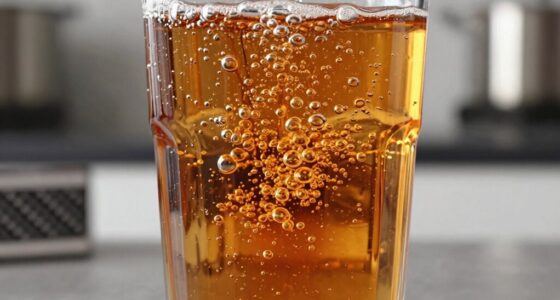
Hazy beers get their cloudy look from ingredients, brewing techniques, and interactions among proteins, hop compounds, and yeast. Using grains like wheat and oats, along with light filtration or no filtration at all, helps trap particles and create suspension. Proteins from malt bond with hop compounds, stabilizing the haze, while certain yeast strains produce more particles. If you’re curious about how these factors influence flavor and aroma, you’ll find plenty more to explore.
Key Takeaways
- Hazy beers contain suspended particles like proteins, hop compounds, and yeast, giving them an opaque, cloudy appearance.
- Proteins from malt and adjuncts interact with hop compounds to stabilize haze and influence flavor.
- Specific yeast strains and fermentation conditions promote haze retention by reducing flocculation.
- Brewing techniques such as minimal filtration and adding haze-promoting ingredients enhance cloudiness.
- Haze impacts flavor, aroma, and mouthfeel, often adding creaminess or fruitiness to the beer experience.

My Brew Supply Hazy IPA Brewing Kit | American Pale Ale Malt | Carapils Grain | Flaked Oats & Wheat | Azacca & Mosaic Pellet Hops | English Ale Yeast | 5 Gallon Advanced All Grain Home Brewing
Beer Brewing Kit: The My Brew Supply Hazy IPA Beer Brewing Kit includes all the ingredients you'll need…
As an affiliate, we earn on qualifying purchases.
As an affiliate, we earn on qualifying purchases.
What Is a Hazy Beer and Why Has It Become So Popular?

You might have noticed that hazy beers have taken the craft beer world by storm, but what exactly makes them different from traditional clear beers? Historically, brewing practices aimed for clarity, with brewers filtering out particles to produce bright, transparent beers. Today, modern brewing innovations challenge that norm by intentionally leaving in or creating suspended particles, resulting in that signature haze. This shift reflects a broader appreciation for texture and flavor complexity, as well as a growing interest in digital content that educates consumers about these unique brewing methods. Hazy beers often showcase new hop varieties and techniques, emphasizing aroma and mouthfeel over clarity. The popularity stems from their unique appearance and rich flavor profiles, which appeal to adventurous drinkers. Additionally, the science of brewing has evolved to embrace these techniques, blending historical roots with innovative practices. Furthermore, brewers often experiment with natural ingredients to enhance the flavor and aroma, setting these beers apart in a crowded market. Notably, the use of high hop concentrations can contribute to both haze and flavor intensity, further enhancing their appeal.

Mr. Beer – Craft Beer Making Kit 4 Gallon Complete DIY Home Brew Set Everything Included, Bottles, Refills Brew in 30 Minutes
Easy Home Brew – This all-in-one kit includes everything you need, from fermentation equipment to supplies and ingredients,…
As an affiliate, we earn on qualifying purchases.
As an affiliate, we earn on qualifying purchases.
What Ingredients Make a Beer Hazy?

The key to creating a hazy beer lies in specific ingredients that contribute to its cloudy appearance and rich texture. Historically, brewing techniques from certain regions favored ingredients like wheat and oats, which naturally add body and haze. Modern craft brewers often use these grains along with specific yeast strains that produce less clarity and more proteins, enhancing the haze. Additionally, unfiltered or lightly filtered brewing methods preserve proteins and hop particles that keep the beer cloudy. This approach mirrors the philosophy of minimalism in design, where simplicity enhances overall experience. Regional styles like New England IPAs embrace these ingredients, intentionally emphasizing haze for mouthfeel and visual appeal. By selecting grains, yeasts, and filtration levels carefully, you can craft a beer that’s not only flavorful but also visually delighting in its cloudiness. Understanding hazy beer styles can also guide brewers in achieving the desired aesthetic and taste. Furthermore, using ingredients with high protein content can significantly improve the beer’s texture and haze retention. In addition, incorporating low-carb vegetables in the brewing process can provide unique flavors and enhance the overall mouthfeel of the beer. The selection of lubricant specs in brewing equipment maintenance can also impact the quality of the beer.
![Craft A Brew - Safale S-04 Dry Yeast - Fermentis - English Ale Dry Yeast - For English and American Ales and Hard Apple Ciders - Ingredients for Home Brewing - Beer Making Supplies - [1 Pack]](https://m.media-amazon.com/images/I/417FujUfrWL._SL500_.jpg)
Craft A Brew – Safale S-04 Dry Yeast – Fermentis – English Ale Dry Yeast – For English and American Ales and Hard Apple Ciders – Ingredients for Home Brewing – Beer Making Supplies – [1 Pack]
DRY YEAST – Looking for extra yeast for homebrewing beer? Try our Safale S-04 English Ale Dry Yeast,…
As an affiliate, we earn on qualifying purchases.
As an affiliate, we earn on qualifying purchases.
How Do Brewing Steps Create a Hazy Look?
Sure! Here’s your revised article subheading content with the requested changes:
—
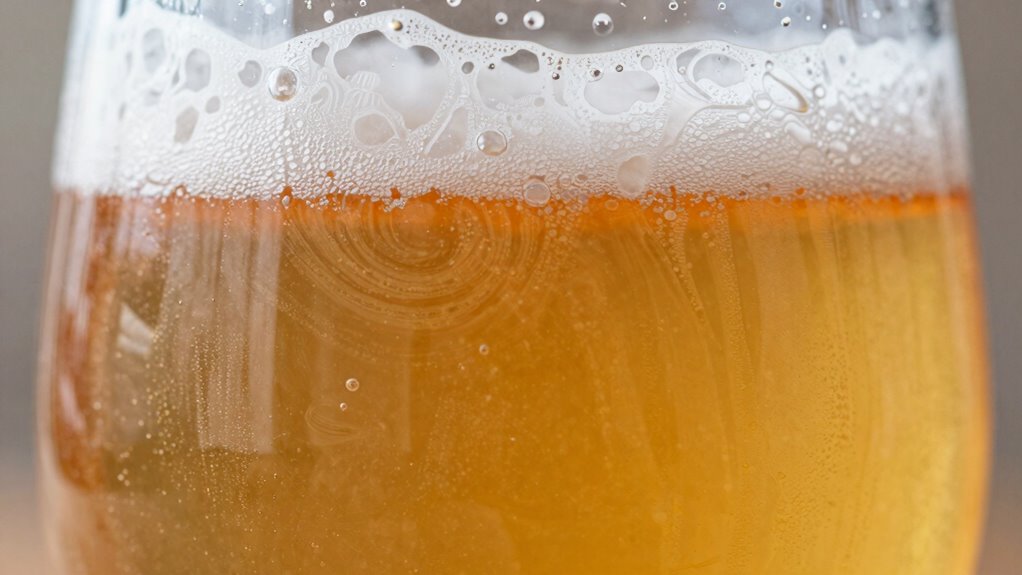
During the brewing process, specific steps are taken to maintain and enhance the haze in the beer. Hazy beer artistry focuses on techniques that preserve suspended particles, giving the beer its signature cloudy appearance. Brewers often skip traditional filtration, allowing proteins, yeast, and hop compounds to remain in suspension. Brewing innovation also involves adjusting fermentation temperatures and utilizing specific yeast strains that produce more haze. Additionally, some brewers add adjuncts or special grains to promote haze formation intentionally. These steps create a visual appeal that emphasizes the beer’s fresh, juicy qualities. By controlling the brewing process carefully, you can craft a beer that showcases its hazy look as an intentional part of its character, highlighting the creativity and skill behind modern hazy beer artistry. This process mirrors the transformative power of curiosity in brewing, which encourages exploration and innovation in crafting unique flavors. The artistry of crafting hazy beers parallels trends in fashion accessories, where unique elements enhance visual appeal and character. Moreover, the use of specific yeast strains can significantly influence the haze formation and overall mouthfeel of the beer, enhancing its complexity. The importance of system monitoring during brewing ensures that each variable is optimized for the best results.
—
Let me know if you need any further modifications!
My Brew Supply Hazy IPA Brewing Kit | American Pale Ale Malt | Carapils Grain | Flaked Oats & Wheat | Azacca & Mosaic Pellet Hops | English Ale Yeast | 5 Gallon Advanced All Grain Home Brewing
Beer Brewing Kit: The My Brew Supply Hazy IPA Beer Brewing Kit includes all the ingredients you'll need…
As an affiliate, we earn on qualifying purchases.
As an affiliate, we earn on qualifying purchases.
How Do Proteins and Hops Contribute to Beer Haze?
**
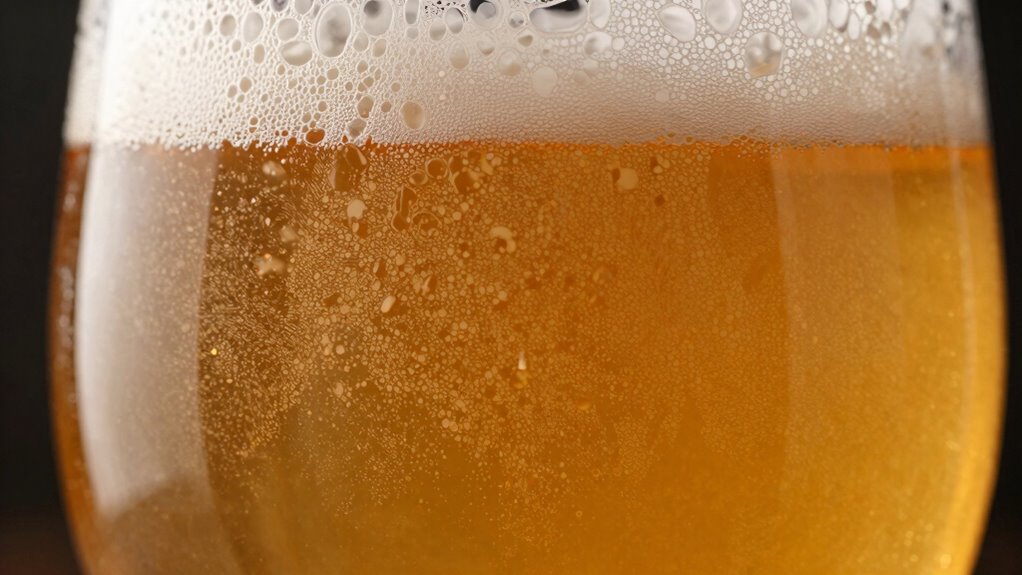
Proteins and hop compounds play an essential role in creating the haze in beer by remaining suspended throughout the brewing process. Proteins from malt interact with hop compounds, forming complexes that help trap tiny particles. These protein interactions increase the stability of haze, making it last longer. Hop compounds, especially iso-alpha acids, contribute to haze formation by binding with proteins, creating visible cloudiness.
- Proteins and hop compounds form stable complexes that keep particles suspended.
- Haze is stabilized by protein interactions with hop-derived compounds.
- Higher protein levels lead to more haze formation.
- Hop compounds influence haze color and intensity.
Understanding how proteins and hop compounds work together explains why some beers appear more cloudy and vibrant than others. Additionally, this phenomenon reflects the comparative advantage principle in brewing, where different ingredients enhance each other’s properties.
How Do Yeast and Fermentation Affect Hazy Beers?
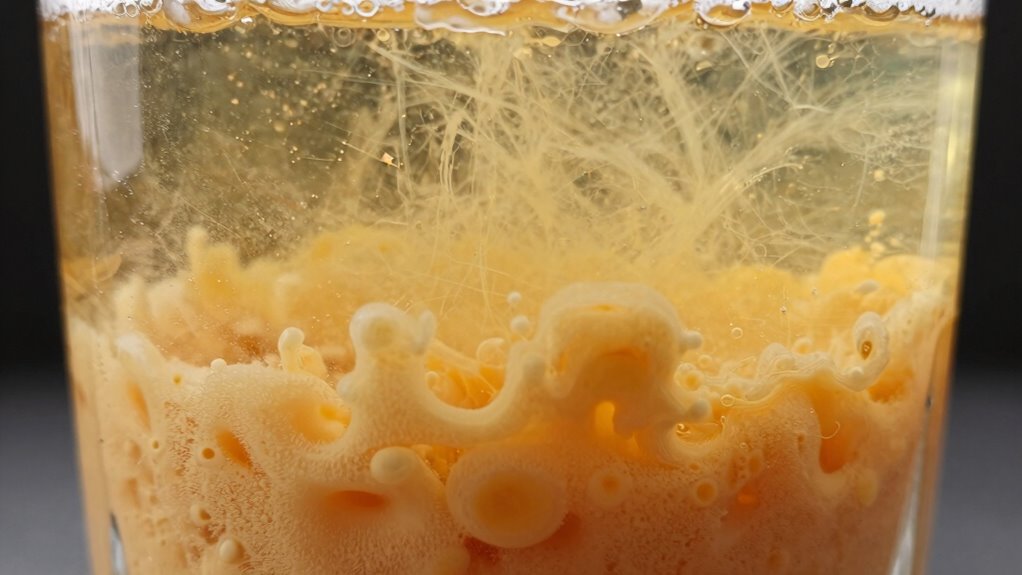
How Do Yeast and Fermentation Affect Hazy Beers?
Yeast and fermentation play a direct role in shaping the haze in beer, especially in styles like New England IPAs and Hazy Pale Ales. The yeast strain you choose influences how much protein and polysaccharides are produced during fermentation, which can add to the haze. A yeast strain that produces more suspended particles or flocculates slowly will keep more haze in the beer. The fermentation process itself also affects haze levels; a slower, cooler fermentation tends to retain more proteins and yeast cells, enhancing haziness. Additionally, some brewers intentionally leave yeast in suspension or add specific strains that promote haze formation. Overall, the combination of yeast strain selection and fermentation technique directly impacts the cloudiness and appearance of your hazy beer. Furthermore, understanding the ethical implications of using various additives in brewing can help ensure a responsible approach to haze production. Using techniques like pressure regulation during fermentation can also contribute to consistent haze levels in your final product. Additionally, the use of specific yeast strains can enhance the overall flavor profile, complementing the visual haze with aromatic complexity. Moreover, the choice of water chemistry can also influence the final haze, as certain minerals interact with proteins and contribute to the beer’s mouthfeel.
How Are Hazy and Clear Beers Different?
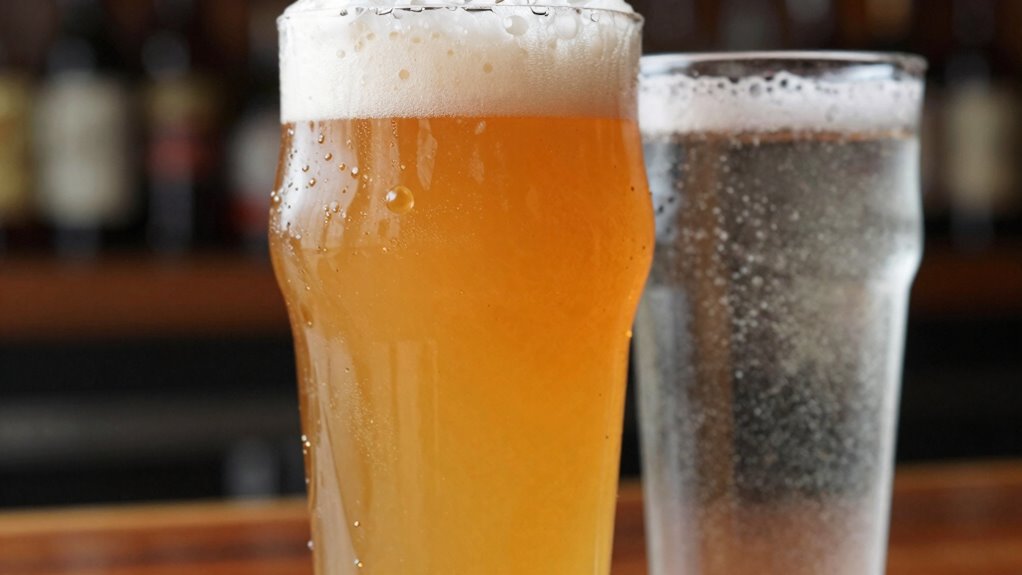
How Are Hazy and Clear Beers Different?
Hazy and clear beers primarily differ in their appearance, texture, and the brewing choices that influence their final look. You’ll notice that hazy beers have a cloudy, opaque appearance, while clear beers are transparent and bright. This difference affects their visual appeal, making each suitable for different styles and preferences.
To understand these differences better, consider:
- The use of proteins and hop particles that contribute to haze
- The brewing process, such as filtration or lack thereof
- The role of yeast in suspension and its impact on beer clarity
- The visual impression each style creates on the glass
These factors shape how you perceive the beer, influencing its overall look and appeal even before tasting. Additionally, the brewing process can significantly determine the clarity of the final product, affecting both taste and presentation. Proper kitchen ventilation during brewing can also enhance the overall experience by reducing unwanted aromas.
Does the Haze Change the Flavor and Aroma of Beer?
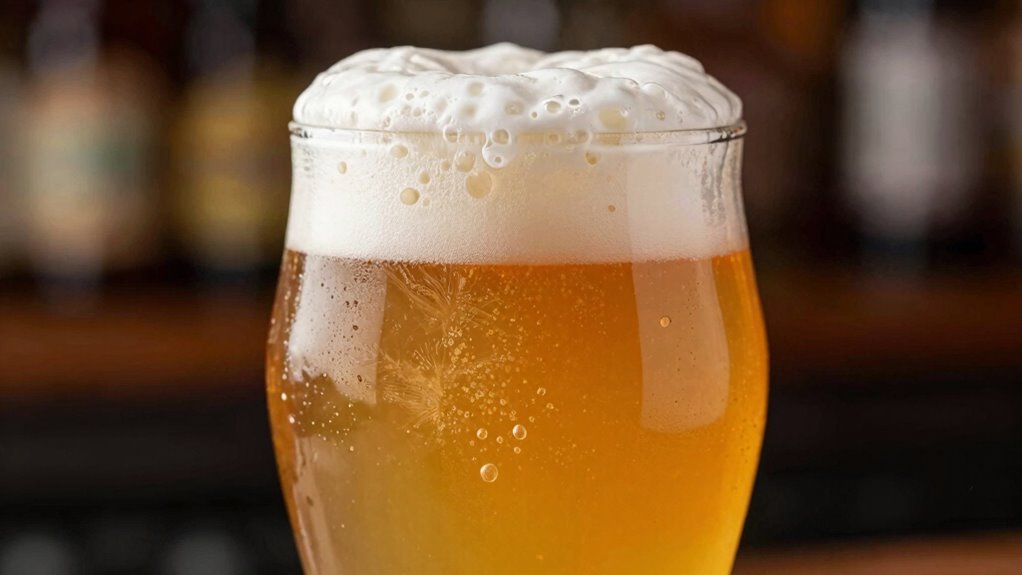
The haze in beer can influence its flavor profile, often adding a creamier or fruitier note. You might notice that the aroma feels more intense or differently balanced compared to clear beers. This change can alter your overall tasting experience, making the haze a key factor in how you perceive the beer. Additionally, the eco-friendly production processes used in creating certain hazy beers can contribute to their unique characteristics. Many brewers also incorporate ingredients to avoid in their recipes to enhance the flavor while ensuring a clean finish. This is similar to how engine upgrades can significantly enhance a vehicle’s performance, providing a more dynamic experience for the driver. Furthermore, the use of specific brewing techniques can also play a crucial role in achieving that desired haze, affecting both appearance and mouthfeel. Notably, eye safety tips are important when using tools like LED masks, which can offer insights into the brewing process and enhance the overall experience.
Impact on Flavor Profile
While haze itself doesn’t directly alter the fundamental ingredients, it can influence the perceived flavor and aroma of a beer. The cloudiness can mask certain flavors, making some nuances less noticeable. Yeast interactions with proteins and hop compounds can be affected, altering how flavors develop during brewing. Haze can also create an impression of freshness, which might enhance or diminish certain aromas. Additionally, the visual appearance influences your perception of taste, often leading to flavor masking or amplification.
- Hazy beers often emphasize fruity or citrus notes
- Yeast interactions can soften bitterness or acidity
- Flavor masking may hide subtle malt or hop complexities
- The haze can enhance perceived freshness and mouthfeel
Aroma Intensity Changes
Haze in beer doesn’t just influence appearance; it also shapes how aromas are perceived. The cloudiness can amplify or soften aroma intensity, affecting your sensory perception. The haze often traps volatile compounds, which can alter how you experience hop and fruit notes, leading to a different flavor evolution compared to clear beers. This change can make aromas seem more vibrant and fresh or muted, depending on the haze’s composition. Additionally, the suspended particles influence how aromas are released and detected, often enhancing the overall aroma profile. As a result, hazy beers frequently present a more pronounced aroma, engaging your senses more intensely. Understanding these aroma intensity changes helps you appreciate how haze impacts not just the look but also the full flavor experience of your beer.
How Can You Spot and Appreciate a Hazy Beer?
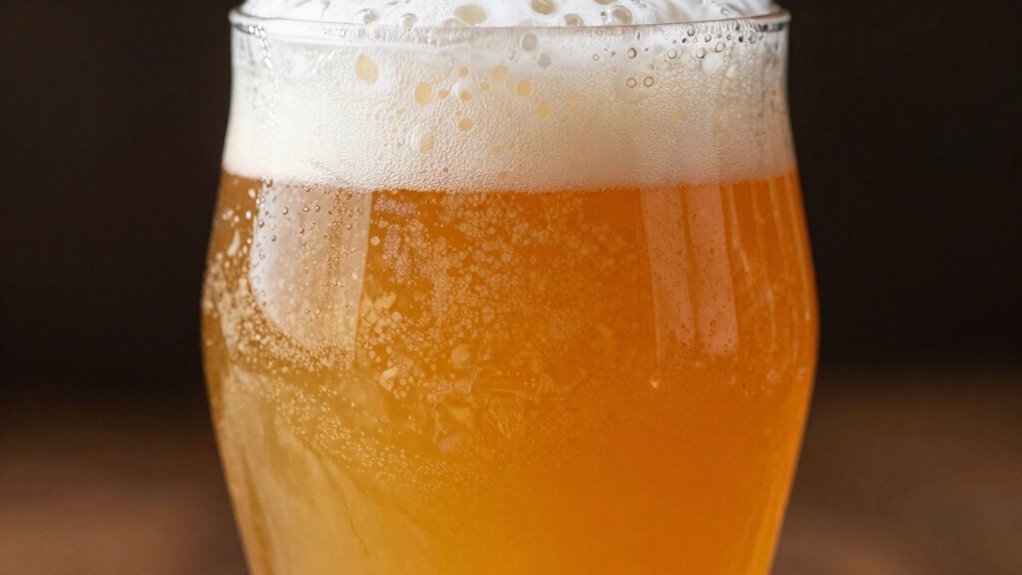
Ever wonder how to identify a hazy beer at a glance? It’s all about the appearance and presentation. Look for a cloudy, opaque look that doesn’t allow light to pass through easily. The right glassware styles can enhance your perception of haze, so choose a tulip or snifter to better appreciate the beer’s appearance. Serving temperature also plays a role—serve hazy beers slightly warmer than traditional lagers to bring out their vibrant haze and flavors. To really appreciate a hazy beer, pay attention to these details:
Hazy beers showcase a cloudy, opaque appearance enhanced by proper glassware and slightly warmer serving temperatures.
- Cloudiness and opacity
- The way light interacts with the beer
- Glassware that highlights the haze
- Proper serving temperature to optimize appearance and aroma
Mastering these cues helps you truly enjoy what makes hazy beers unique.
Frequently Asked Questions
Can Hazy Beers Be Aged Like Clear Beers?
Hazy beers can be aged, but their flavor stability and shelf life are affected. You should store them in cool, dark places to slow down oxidation and preserve their haze and flavor. Unlike clear beers, haze can diminish over time, potentially altering taste and aroma. While aging is possible, hazy beers generally have a shorter shelf life, so enjoy them sooner to experience their freshest, most vibrant qualities.
Are Hazy Beers More Prone to Spoilage?
Hazy beers are definitely more prone to spoilage because their suspended particles and yeast can harbor bacteria, threatening flavor preservation. You must pay close attention to packaging techniques—using proper sealing and avoiding oxygen exposure is essential. If mishandled, the haze can invite spoilage faster than clear beers. So, yes, hazy beers require extra care to maintain freshness, or else they risk turning sour or off-flavor quick!
Do Different Hops Affect Haze Levels?
Yes, different hops varieties can influence haze levels in your beer. Some hop varieties contain more proteins and polyphenols, which can contribute to haze formation. These compounds also affect haze stability, making it last longer. When choosing hops, consider how they impact haze stability. Using specific hop varieties can help you control haze in your beer, whether you want a clearer brew or a juicy, hazy style.
Is Haze Desirable in All Beer Styles?
Like a foggy morning, haze isn’t always desirable in every beer style. You prefer clarity when you seek flavor precision and aroma preservation, such as in lagers or pilsners. However, in styles like New England IPAs, haze enhances mouthfeel and aroma, creating a juicy experience. So, whether haze is desirable depends on the style’s goal—sometimes clarity, sometimes a cloudy allure that heightens sensory enjoyment.
How Does Climate Impact Hazy Beer Production?
Climate impacts hazy beer production by influencing yeast fermentation and water chemistry. Warm temperatures can accelerate fermentation, increasing haze formation, while cooler climates may slow it down. Humidity affects water mineral content, altering the water chemistry essential for haze stability. You’ll find that breweries adapt their processes, adjusting yeast strains and water profiles, to maintain the desired haze level regardless of climate differences.
Conclusion
Understanding what makes a beer hazy helps you appreciate its unique appeal. Did you know that the popularity of hazy beers surged by over 50% in recent years? This vibrant trend isn’t just about looks—it’s about flavor, aroma, and texture. So next time you sip a cloudy brew, you’ll know it’s crafted with specific ingredients and techniques that create its signature haze. Cheers to exploring the science behind your favorite hazy beers!