
Dry hopping is a brewing technique where you add hops after boiling to boost aroma and flavor without adding bitterness. The timing is key; typically, you add hops during late fermentation or just before packaging, usually 3-7 days beforehand, to preserve delicate oils. Choosing the right method and timing helps balance vibrant hop aromas with minimal bitterness. Want to discover how to maximize your dry hopping success? Keep exploring to learn more.
Key Takeaways
- Dry hopping enhances beer aroma and flavor by adding hops post-boil during fermentation or conditioning.
- Timing is critical; adding hops 3-7 days before packaging maximizes aroma retention.
- Using late or post-primary hop additions balances aromatic intensity with minimal bitterness.
- Extended contact or improper storage can cause off-flavors, haze, or aroma loss.
- Optimal conditions include stable temperatures and proper equipment to preserve delicate hop oils.
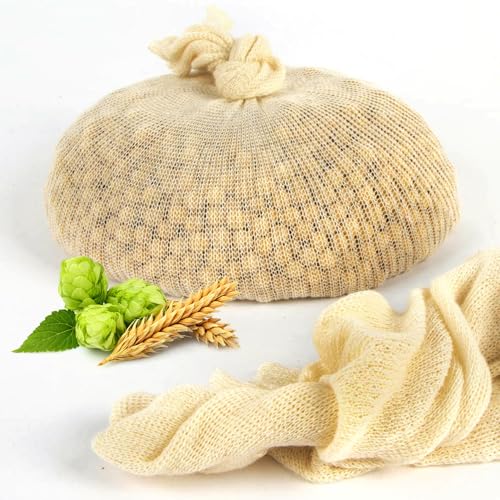
14” 15 Pack Cotton Brew Bag Grain and Spice Beer Brewing Bags Muslin Bags Steeping Bags for Dry Hopping Grain Beer Wine Grain Socks Nut Milk Fruit Hops Mead for Home Brewing or Micro Brewing
Cotton Brew Bag: Our muslin bags have the right mesh ,breathable and elastic that allow more fluid to…
As an affiliate, we earn on qualifying purchases.
As an affiliate, we earn on qualifying purchases.
What Is Dry Hopping and Why Is It Important?
What Is Dry Hopping and Why Is It Important?
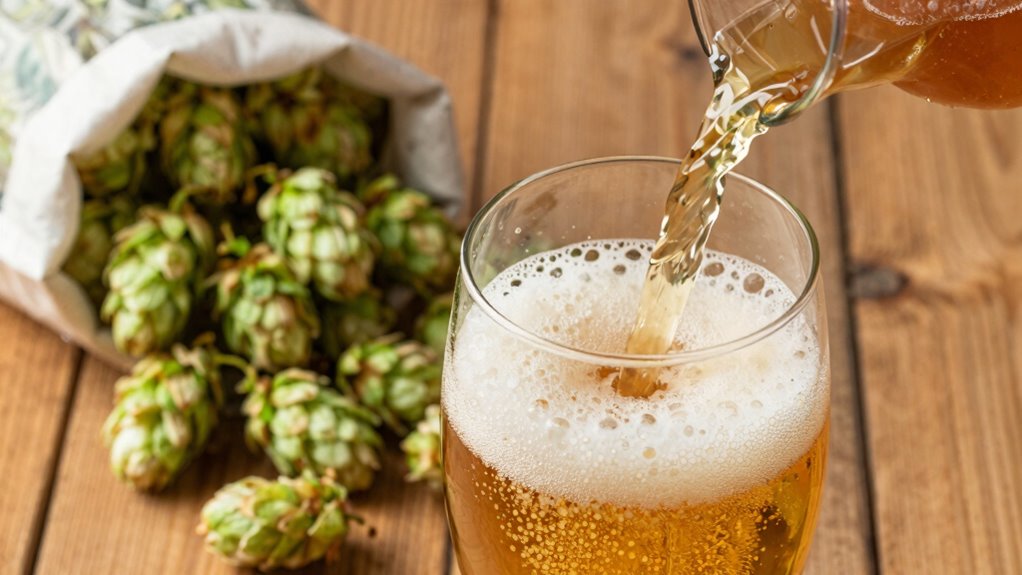
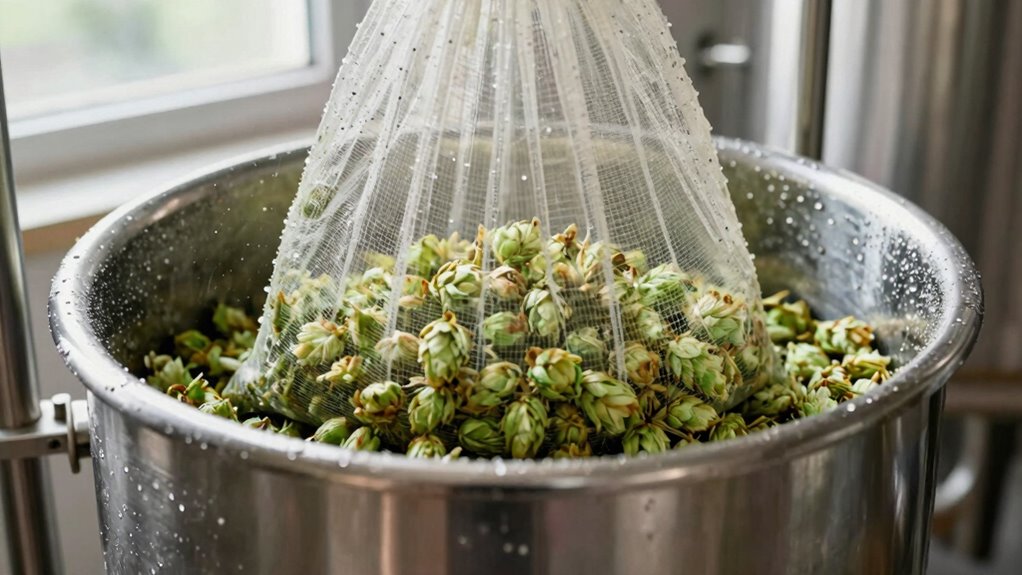
Dry hopping is a brewing technique where hops are added to beer after the boiling process, usually during fermentation or conditioning. This method enhances fermentation flavors by infusing the beer with fresh hop aromas without adding bitterness. It’s essential because it allows you to maximize hop aroma and flavor, which can be lost during boiling. When you dry hop, yeast interactions are important—they can influence how the hop compounds integrate into the beer, affecting overall aroma stability. The process doesn’t greatly affect the beer’s bitterness but plays a key role in defining its aromatic profile. By understanding dry hopping, you control how hop oils and volatile compounds develop, giving your beer a vibrant, fresh hop character that’s fundamental for many modern styles. Additionally, the preservation of flavors during fermentation can lead to innovative flavor profiles and enhance the overall brewing experience.

Craft A Brew Recipe Kit – Single Hop IPA Refill – 1 Gallon – Ingredients for Home Brewing Beer
ROTATE YOUR BREW – Enjoy a rotation of unique beer light in body and color with a freshly…
As an affiliate, we earn on qualifying purchases.
As an affiliate, we earn on qualifying purchases.
When Should You Dry Hop for Best Aroma?
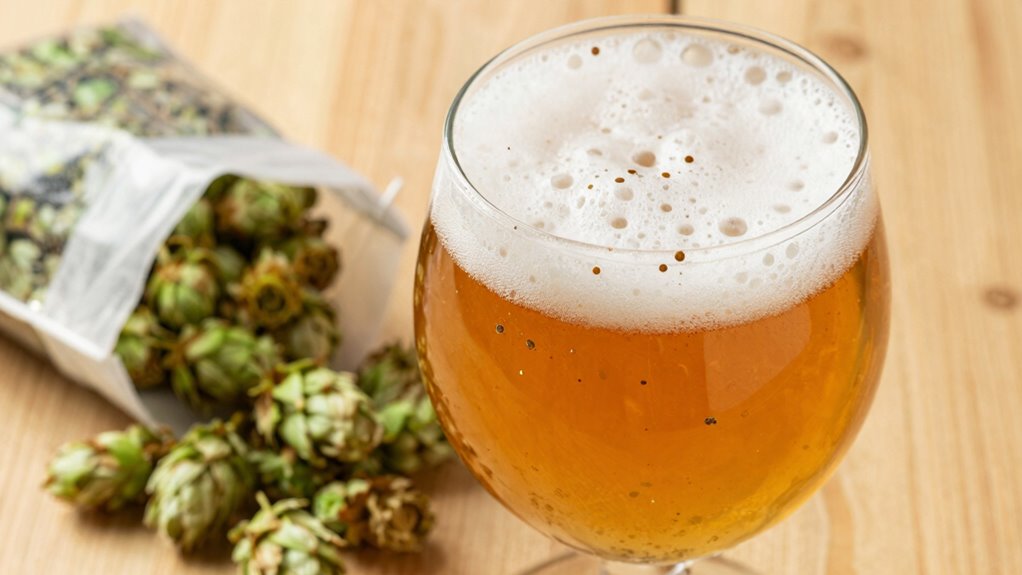
Timing plays a key role in capturing the best hop aroma during dry hopping. To maximize hops aroma and flavor enhancement, add your hops late in the fermentation process, ideally during active fermentation or just after it ends. This allows volatile compounds responsible for aroma to remain intact, ensuring you get a vibrant, fresh hop character. If you dry hop too early, the heat or fermentation activity can diminish the aroma, resulting in a less aromatic beer. Conversely, waiting too long might cause the aroma to fade or become muted. For ideal results, aim for a window of 3 to 7 days before packaging. This balance helps preserve the delicate hop oils, delivering a robust aroma and enhancing your beer’s overall flavor profile.

Learn To Brew BC-89Z0-55HN Cascade Hop Pellets for Home Brewing 1 oz , (Packaging may Vary) (Pack of 3), Green
Fresh Hops
As an affiliate, we earn on qualifying purchases.
As an affiliate, we earn on qualifying purchases.
What Are the Best Methods for Dry Hopping?

To get the best aroma from dry hopping, you need to choose the right technique and timing. You can add hops during fermentation or after, depending on your goals, and the equipment you use can influence flavor extraction. Consider these factors carefully to optimize your dry hopping process. Additionally, incorporating DIY beauty secrets from celebrity trends can inspire unique flavor combinations in your brewing. Engaging in simple exercises can enhance your brewing stamina and focus, leading to a more enjoyable experience. For instance, using lightweight foundations can help improve your overall aesthetic while brewing, keeping you comfortable and fresh. Using methods like cold steeping hops can also maximize aroma retention without introducing unwanted bitterness. Furthermore, understanding sound waves can enhance your brewing techniques by promoting a focused and calm environment during the process.
Dry Hopping Techniques
Choosing the right method for dry hopping can considerably impact the aroma and flavor of your beer. Popular techniques include dry hopping in the fermenter, keg, or secondary fermenter. Each method affects hop contact time and aroma retention differently. For example, using fresh hop varieties enhances aromatic oils, while proper storage techniques preserve hop quality. Additionally, understanding regional flavors can help in selecting the best hops for your brew. The timing of dry hopping can also significantly influence color accuracy, as it determines how well the hop oils interact with the beer. Here’s a quick comparison:
| Method | Pros | Cons |
|---|---|---|
| Primary fermenter dry hop | Easy, minimal transfer risk | Limited hop contact time |
| Keg dry hopping | Good aroma retention, easy to adjust | Possible oxygen exposure |
| Secondary fermenter | Max aroma extraction, control | Longer process, risk of contamination |
Choose based on your goals, considering how hop varieties and storage techniques influence aroma and flavor.
Timing of Addition
Deciding when to add dry hops during the brewing process can profoundly influence the beer’s aroma and flavor profile. Adding hops early, during fermentation or just before packaging, allows for more interaction with yeast, developing complex aromas through yeast interactions. Late additions, such as at knockout or dry hopping, typically preserve volatile hop oils, resulting in brighter, more pronounced hop character. Understanding hop characterization helps you choose the most suitable timing—some hop varieties release their aroma quickly, while others benefit from extended contact. Balancing these factors ensures you maximize aroma without sacrificing clarity or introducing unwanted vegetal flavors. Ultimately, the timing you select shapes the beer’s final sensory experience, emphasizing the aromatic qualities that dry hopping can deliver.
Equipment Considerations
Selecting the right equipment is essential for effective dry hopping, as it directly impacts hop aroma extraction and beer clarity. You can choose between adding hops directly into your fermentation vessel or using a hop bag for easier removal. Using a hop bag minimizes sediment and makes cleanup simpler. The table below compares methods:
| Method | Pros | Cons |
|---|---|---|
| Direct in fermenter | Max aroma transfer, no extra steps | Difficult to remove, sediment |
| Hop bag in fermenter | Easy removal, cleaner beer | Slightly reduced aroma |
| Dry hopping in keg | Convenient, minimal contact time | Limited hop contact, clogging |
| Pellet addition | Strong aroma, quick infusion | Hard to filter, sediment |
| Infusion chambers | Controlled release, reusable | Costly, setup required |
Choose based on your equipment and desired flavor profile.

5 Pcs White Nylon Straining Bag – Fine Mesh – Homebrew Beer Wine Cider Dry Hop Beer Brewing Filters and Straining Home Brewing and Wine Making(6 x 7.8 inch(Width x Height))
Fine Mesh Design: These 5 nylon straining bags feature a fine mesh construction, perfect for filtering out sediment…
As an affiliate, we earn on qualifying purchases.
As an affiliate, we earn on qualifying purchases.
How to Balance Aroma and Bitterness in Your Beer

Balancing aroma and bitterness in your beer requires a careful approach to hop timing and quantity. You want to maximize hop flavor integration without overwhelming the beer’s overall profile. Late hop additions and dry hopping enhance aroma, adding floral, citrus, or pine notes. However, these methods contribute minimal bitterness, which is mostly influenced by early boil hops. To strike the right balance, consider how yeast interaction affects flavor development; yeast can mellow or amplify hop characteristics. Additionally, understanding the history of pinball machines can provide insight into how different brewing techniques evolve over time. Regular home maintenance can also help create a brewing environment that minimizes risks and distractions. For food truck owners, menu development plays a crucial role in attracting customers, just as hop selection does in brewing. Adjust your hop schedule based on your desired outcome, ensuring the bitterness doesn’t overshadow the aroma. Incorporating a variety of styling cream can also enhance the overall flavor experience by complementing the beer’s profile. Monitoring and fine-tuning hop amounts and timing allows you to craft a beer with a harmonious blend of aroma and bitterness, highlighting the complexity of your hops while maintaining drinkability. Additionally, understanding home safety can help you create a brewing environment that minimizes risks and distractions.
Common Dry Hopping Mistakes and How to Avoid Them
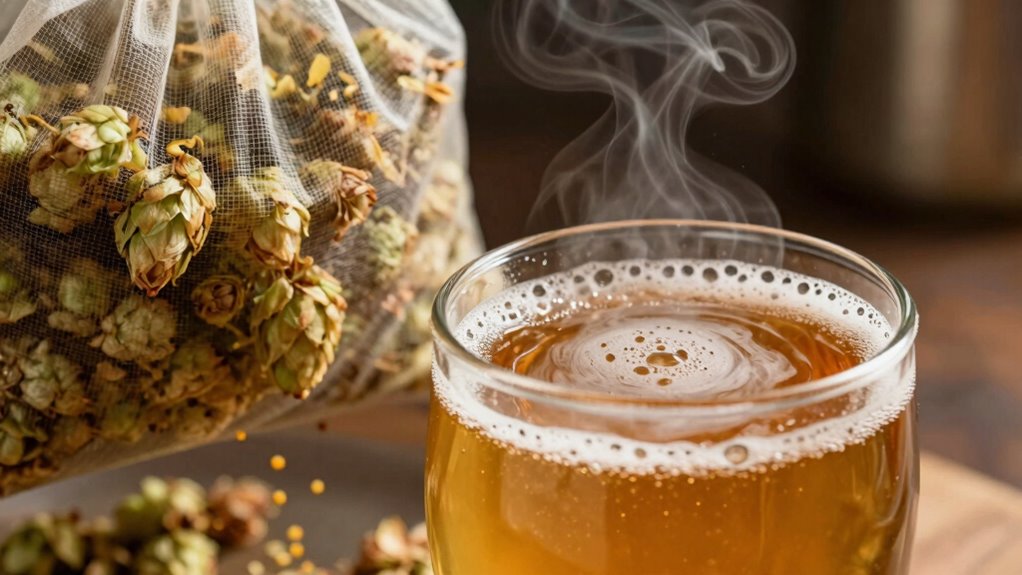
Dry hopping is a straightforward way to boost aroma, but many brewers make common mistakes that can undermine their efforts. One mistake is poor hops storage; if hops aren’t kept airtight and cool, they lose essential oils, reducing aroma potential. Additionally, proper coffee gear maintenance is crucial for preserving flavor integrity. Another error is adding hops too early or too late, which can influence fermentation and flavor development negatively. Overlooking fermentation influence is also a mistake—dry hopping during active fermentation can cause hop compounds to interact undesirably, leading to off-flavors or haze. Furthermore, it’s important to align your brewing practices with spiritual awakening to create a positive atmosphere that can enhance the brewing process. Additionally, using too much hops can overpower the beer or cause contamination if not handled properly. To avoid these pitfalls, store hops correctly, time your dry hop additions precisely, and consider how fermentation stages impact hop aroma and stability. Understanding the concept of energetic alignment can also enhance the overall brewing process by ensuring a positive environment during production. Utilizing advanced filtration systems in your brewing setup can also help maintain clarity and flavor integrity in your final product. Furthermore, employing smart home technology can optimize your brewing environment, ensuring consistent temperatures and humidity levels for the best results.
Tips to Maximize Aroma During Dry Hopping
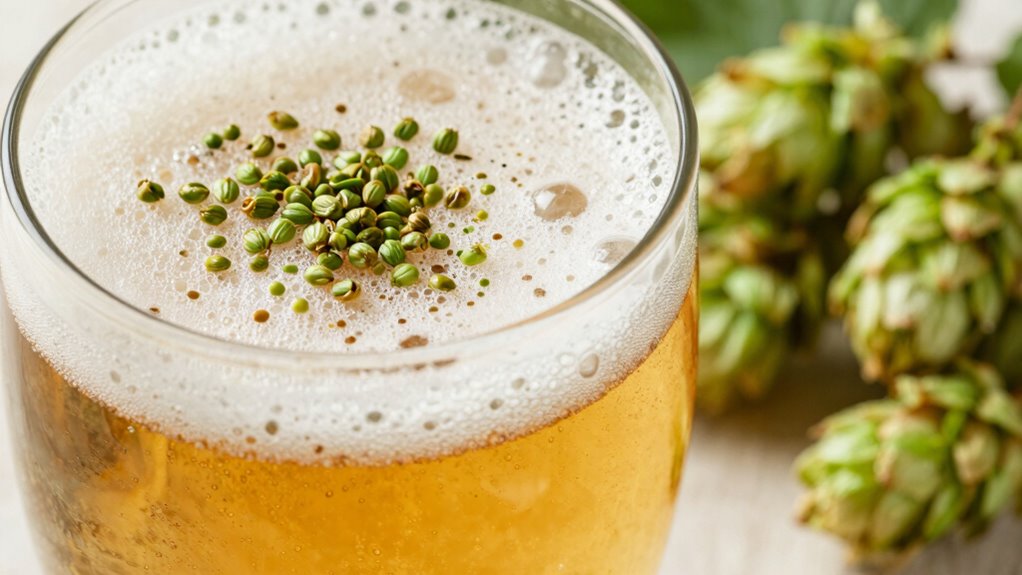
To get the most aroma from your dry hopping, timing is key—you want to add hops when they can infuse the most scent without causing off-flavors. The history of women’s golf showcases how precision and strategy can also enhance performance in brewing. Make sure your fermentation conditions are stable, as temperature fluctuations can diminish hop aromatics. By carefully coordinating hop addition and maintaining proper fermentation, you’ll maximize aroma and enhance your beer’s overall profile. Additionally, using camera gear for content can help you capture the brewing process more effectively, showcasing the aromatic qualities of your beer. Consider maintaining stable temperatures during fermentation to further preserve those delicate hop notes. Additionally, incorporating aesthetic design principles into your brewing setup can create a more enjoyable environment, enhancing the overall experience of the craft. Remember that utilizing self-directed IRAs can provide greater control over investment decisions, just as careful planning in brewing can lead to exceptional results.
Optimal Dry Hop Timing
Timing is essential when it comes to dry hopping if you want to maximize aroma and flavor. To achieve the best results, consider these key points:
- Choose the right stage: Add hops during peak activity in fermentation for better flavor enhancement.
- Monitor hop contact time: Typically 3-7 days, balancing aroma extraction without risking over-oxidation.
- Avoid prolonged contact: Longer durations can decrease shelf stability and lead to off-flavors.
- Consider temperature: Dry hop at cooler temperatures to preserve delicate aromatics and prevent flavor degradation.
Proper Fermentation Conditions
Maintaining the right fermentation conditions can considerably enhance the aromatic impact of your dry hopping process. Prioritize good yeast health by ensuring your yeast is active and viable before fermentation begins. A healthy yeast population can better preserve hop aromas and prevent off-flavors. Keep fermentation temperature within the ideal range for your yeast strain, typically between 65-70°F (18-21°C). Too high a temperature can cause ester formation, overshadowing hop aroma, while too low may slow fermentation and reduce aroma extraction. Consistent temperature control supports steady fermentation and helps retain delicate aromatic compounds from your hops. By managing yeast health and fermentation temperature carefully, you’ll maximize aroma retention during dry hopping and produce a more flavorful, aromatic beer. Additionally, understanding wood movement principles can help inform your choices in fermentation vessels, ensuring minimal impact on the beer’s flavor profile.
Where Does Dry Hopping Fit Into Your Brewing Timeline?
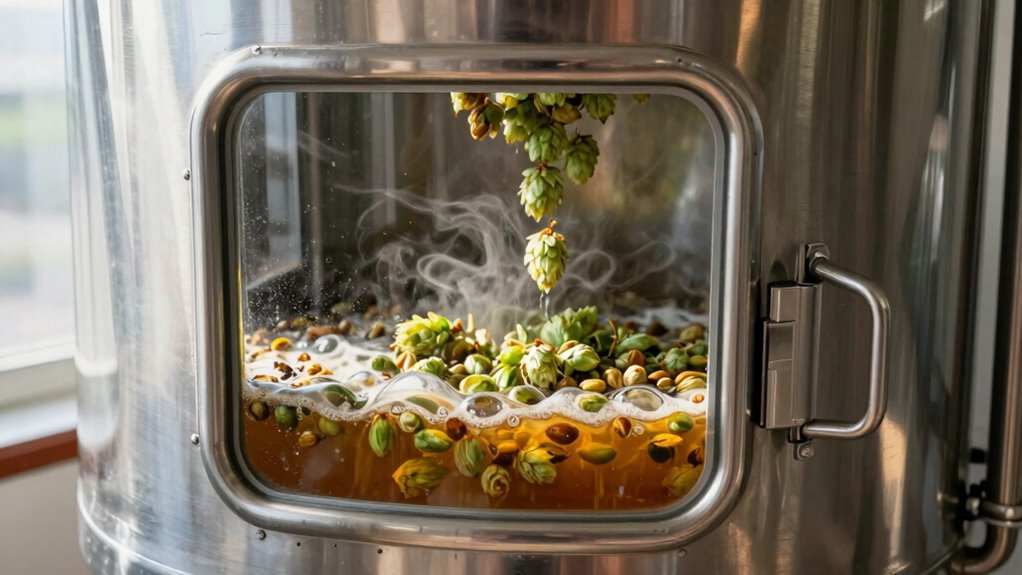
Dry hopping typically happens late in the brewing process, after fermentation has mostly completed. You’ll want to consider the ideal dry hop duration, which varies but generally ranges from 3 to 7 days. Here’s how to fit it into your timeline:
Dry hopping occurs late, usually 3–7 days, to maximize aroma without affecting clarity or stability.
- Finish primary fermentation before adding hops to avoid unwanted bitterness.
- Select hop varieties based on desired aroma, balancing citrus, pine, or floral notes.
- Decide on dry hop duration—longer contact increases aroma but risks flavor degradation.
- Add hops during the late fermentation or conditioning phase for optimal aroma extraction.
Timing and hop variety selection are essential for achieving the aroma profile you want, without sacrificing clarity or stability in your brew.
Frequently Asked Questions
How Does Dry Hopping Affect Beer Clarity?
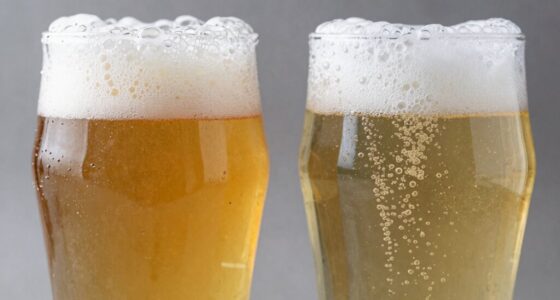
Dry hopping can impact beer clarity by increasing hop haze formation, which results from hop particles and polyphenols interacting with yeast proteins. These interactions can create a cloudy appearance, especially if you add hops late in fermentation. To minimize this, you might consider cold crashing or using protein-precipitating finings. Keep in mind, some haze is natural, and dry hopping’s aroma benefits often outweigh clarity concerns.
Can Dry Hopping Introduce Unwanted Flavors or Contaminants?
Did you know dry hopping can increase contaminant risks? Yes, it can introduce unwanted flavors or contaminants if sanitation isn’t strict. When you add hops post-boil, there’s a chance of flavor contamination from bacteria or wild yeast, especially if equipment isn’t thoroughly cleaned. To minimize these risks, make certain your brewing environment and tools are sanitized well. Proper handling helps preserve your beer’s intended aroma without unwanted off-flavors.
What Are the Best Hop Varieties for Dry Hopping?
You should choose hop varieties like Citra, Mosaic, and Centennial for dry hopping, as they offer strong hop dominance and vibrant aroma profiles. These hops add intense citrus, tropical fruit, and pine notes, which can enhance flavor balance without overpowering the beer. Their aromatic qualities make them ideal for achieving a well-rounded, aromatic finish. Experimenting with different blends can help you perfect your desired hop character and aroma profile.
How Does Dry Hopping Influence Shelf Life?
Dry hopping can impact shelf life by increasing oxidation risks, which may lead to stale flavors over time. The process introduces hop compounds that can promote hop creep, causing fermentation-like activity if not properly managed. To preserve freshness, you should minimize oxygen exposure during dry hopping and storage. Proper packaging and cold storage help extend shelf life, but be aware that excessive dry hopping may accelerate flavor degradation if oxidation occurs.
Is Dry Hopping Suitable for All Beer Styles?
Dry hopping isn’t suitable for all beer styles, especially those aiming for subtle, malt-forward profiles like English ales or stouts. For example, a brewer might dry hop an IPA to boost hop aroma and flavor enhancement, using specific brewing techniques. If you want to preserve delicate flavors, dry hopping could overpower them. So, consider your style’s goals and use dry hopping selectively to balance aroma, flavor, and overall beer character.
Conclusion
Dry hopping is a game-changer for boosting aroma without adding bitterness, but timing and technique matter. Did you know that dry hopping can increase hop aroma by up to 20 times compared to traditional methods? By understanding the best practices and avoiding common mistakes, you can craft beers with vibrant, complex scents that truly shine. Keep experimenting and refining your process—you’re on your way to brewing truly aromatic, memorable beers.