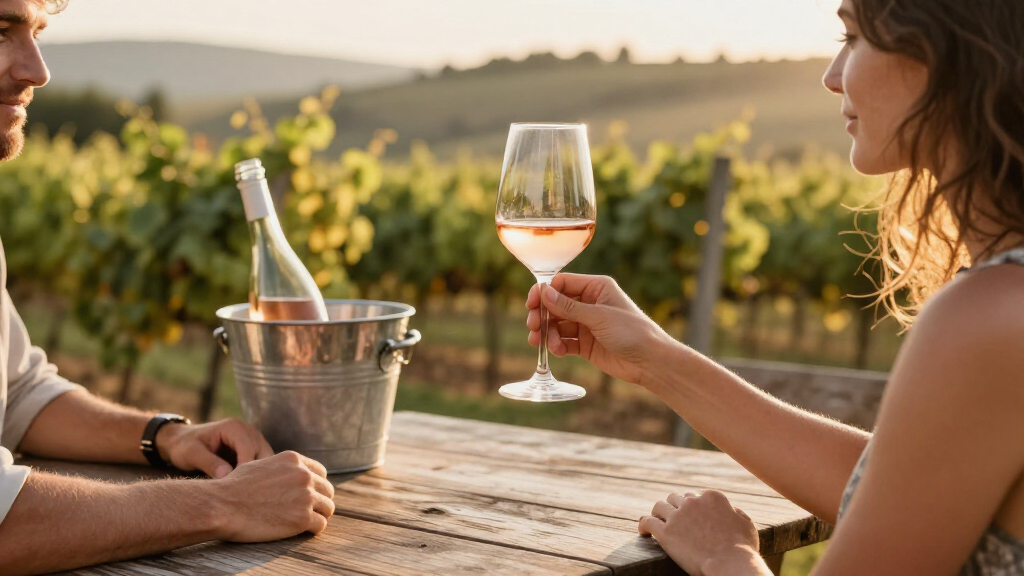
Shopping for a bottle that straddles the rosé-and-Chardonnay aisle means navigating two very different drinking occasions, and I want to be upfront about that before you spend a dime. On one side sits the classic California Chardonnay — rich, oak-influenced, and built for the dinner table. On the other sits the sparkling rosé category, where dealcoholized options have gotten shockingly good. My top pick, Rombauer Vineyards Chardonnay Carneros, earns the Best Overall slot for its signature ripe fruit and buttery finish that defined the modern California style. If your budget stretches further and you want serious oak complexity, Duckhorn’s Napa Valley Chardonnay is the premium choice. And if you love the ritual of pink bubbles but not the alcohol, BOLLE’s twice-fermented Sparkling Rosé is the most convincing alcohol-free alternative I’ve come across on paper.

Get the little things that make your day delivered free — and shop member deals
- Fast, free delivery on millions of items
- Access to Prime Big Deal Days deals on October 6–7
- Prime Video, Amazon Music and more included
The main tradeoff you’re weighing here is richness versus restraint. Rombauer and Duckhorn both lean into barrel fermentation and lees stirring, delivering that creamy, food-friendly depth — but they’ll disappoint anyone craving a lean, mineral-driven pour. BOLLE solves a different problem entirely: it matches the celebratory feel of sparkling rosé while skipping the alcohol, at the cost of some of the warmth and weight that fermentation alcohol provides. None of these three is a wrong choice; they simply serve different glasses, different meals, and different guests.
Key Takeaways
- Rombauer Carneros Chardonnay is the Best Overall pick for its balance of ripe fruit, buttery oak, and broad food-pairing range — but it’s richer than crisp-white drinkers want.
- Duckhorn Napa Valley Chardonnay is the premium choice, with 10 months of French oak and multi-vineyard sourcing that rewards slow sipping — skip it if you hate buttery styles.
- BOLLE Sparkling Rosé is the best alcohol-free option, using a genuine twice-fermented process to rebuild structure most non-alcoholic wines lack — the tradeoff is it won’t fully fool a champagne loyalist.
- All three are still wines versus sparkling is the biggest fork in the road: Rombauer and Duckhorn suit dinner, BOLLE suits toasts and afternoon sipping.
- Oak treatment is the deciding factor within the Chardonnay pair — Rombauer is the friendlier, fruitier entry point; Duckhorn is the more serious, structured pour.
| BOLLE Sparkling Rosé – Non-Alcoholic Sparkling Wine, 750ml |  | Best Alcohol-Free Pick | Brand: BOLLE | Type: Non-Alcoholic Sparkling Rosé Wine | Volume: 750ml | VIEW LATEST PRICE | See Our Full Breakdown |
| Rombauer Vineyards, Chardonnay, Carneros, 750mL |  | Best Overall | Brand: Rombauer Vineyards | Type: Still White Wine (Chardonnay) | Region: Carneros, California | VIEW LATEST PRICE | See Our Full Breakdown |
| Duckhorn Vineyards Napa Valley Chardonnay, White Wine, 750 mL Bottle |  | Best Premium Pick | Brand: Duckhorn Vineyards | Type: Still White Wine (Chardonnay) | Volume: 750 mL | VIEW LATEST PRICE | See Our Full Breakdown |
| rosé chardonnay wine | Brand | Type | Volume | Region |
|---|---|---|---|---|
| BOLLE Sparkling Rosé | BOLLE | Non-Alcoholic Sparkling Rosé Wine | 750ml | — |
| Rombauer Vineyards | Rombauer Vineyards | Still White Wine (Chardonnay) | 750 mL | Carneros, California |
| Duckhorn Vineyards Napa Valley | Duckhorn Vineyards | Still White Wine (Chardonnay) | 750 mL | Napa Valley, USA |
More Details on Our Top Picks
BOLLE Sparkling Rosé – Non-Alcoholic Sparkling Wine, 750ml
Most non-alcoholic sparkling wines fail for the same reason: producers strip the alcohol out and ship what remains, which leaves a thin, sweet liquid with bubbles and little else. BOLLE takes a different route. The wine is fermented twice, vacuum distilled at low temperature, and then re-fermented to rebuild the structure and mouthfeel that the dealcoholization process removes. That final re-fermentation step is what separates this bottle from the dealcoholized-grape-juice crowd, and it’s why the wine has picked up Double Gold and Platinum medals at major US wine competitions plus a 93-point score from Wine Enthusiast — recognition that almost no alcohol-free wine has ever earned.
The flavor profile leans dry rather than sweet, with strawberry and cherry fruit up front and a subtle herbal, mineral undertone on the finish. That dryness matters: most competitors in this category overcompensate for lost complexity with sugar, which makes them cloying by the second glass. At 15 calories per 100ml, BOLLE also comes in well below typical sparkling wines, which matters if you’re drinking it as a regular weeknight stand-in rather than a one-off toast.
The honest tradeoff is that no dealcoholized wine fully replicates the real thing. Ethanol carries flavor and contributes warmth and weight on the palate, and removing it leaves a slight gap that even the twice-fermented process can’t completely close. Compared with the two Chardonnays in this lineup, BOLLE is the opposite style of drink — light, bubbly, and celebratory rather than rich and food-centered. Where Rombauer wants a dinner plate beside it, BOLLE works best on its own, or alongside light appetizers. If your priority is a zero-proof bottle that a wine drinker will actually finish, this is the strongest option available.
Pros:- Genuine twice-fermented process rebuilds the structure most non-alcoholic wines completely lack
- Dry, fresh profile with strawberry, cherry, and mineral notes instead of sugary sweetness
- Only 15 calories per 100ml — far lighter than standard sparkling wine
- Major competition medals and a 93-point Wine Enthusiast score back up the technique
Cons:- Alcohol-free mouthfeel still can’t fully replicate traditional champagne for experienced palates
- Sparkling format makes it a toasting and sipping wine, not a dinner-table Chardonnay substitute
Best for: Designated drivers, pregnant hosts, weekday sippers, and anyone who wants the sparkling-rosé ritual without the alcohol or the calorie load.
Not ideal for: Champagne traditionalists who want the full weight and warmth of an alcoholic sparkling wine, or buyers shopping for a still dinner wine.
- Brand:BOLLE
- Type:Non-Alcoholic Sparkling Rosé Wine
- Volume:750ml
- Calories:15 per 100ml
- Process:Twice fermented, vacuum distilled at low temperature
- Awards:Double Gold and Platinum medals at major US wine competitions; 93 points Wine Enthusiast
- Flavor Notes:Strawberry, cherry, herbal minerality, crisp acidity
Our verdict“The most convincing alcohol-free sparkling rosé on the market, built with real fermentation craft rather than dealcoholized juice.”
Rombauer Vineyards, Chardonnay, Carneros, 750mL
Rombauer’s Carneros Chardonnay sits in a sweet spot that’s genuinely hard to find: it has enough ripe, generous fruit and creamy oak to satisfy fans of the classic California style, yet it stays round and approachable enough to pour for guests who don’t think much about wine at all. Carneros, the cool-climate district at the southern tip of Sonoma and Napa, gives Chardonnay grapes with natural acidity that keeps the richness from collapsing into flab. That tension — plush texture held up by fresh acid — is what earned this wine its national reputation and why it claims the top slot in my lineup.
Compared with Duckhorn, Rombauer is the friendlier of the two. Where Duckhorn pushes oak complexity for its own sake, Rombauer keeps its focus on immediate drinkability: think tree fruit, melon, and a buttery finish that arrives without heaviness. It’s the bottle I’d hand someone who wants a Chardonnay that tastes unmistakably like a California Chardonnay on the first sip, no acclimation period required. And unlike BOLLE, it’s a still wine built for food — roast chicken, grilled fish, anything with butter — so it earns its keep at the dinner table rather than just the toast.
The tradeoff is price and richness. This is a premium-tier bottle for what is essentially an everyday white role, so stocking it by the case adds up quickly. And drinkers who gravitate toward French Chablis or unoaked styles will find the oak influence here too prominent — the very thing others love about it. If you want that creamy style executed with more depth and structure, that’s precisely the gap Duckhorn fills. But for the widest range of occasions and palates, Rombauer makes the most sense as the default pick.
Pros:- Signature Carneros fruit and acidity keep the creamy style balanced rather than heavy
- Broad, crowd-pleasing appeal — safe to pour for mixed groups of wine drinkers
- Versatile food pairing range from seafood to roast poultry
- Recognizable benchmark of the California Chardonnay style
Cons:- Premium price for an everyday-drinking role
- Richer and more oak-influenced than crisp-white drinkers will enjoy
Best for: Hosts and everyday drinkers who want a crowd-pleasing, food-friendly California Chardonnay with ripe fruit and a creamy finish.
Not ideal for: Shoppers on a strict budget, or fans of lean, steely, unoaked Chardonnay who dislike oak and butter notes.
- Brand:Rombauer Vineyards
- Type:Still White Wine (Chardonnay)
- Region:Carneros, California
- Volume:750 mL
- Style:Rich, fruit-forward California Chardonnay
- Item Weight:2.9 pounds
- Package Quantity:1
- Flavor:Chardonnay
Our verdict“The most universally pleasing bottle in this lineup — rich California Chardonnay done right, with the balance to match almost any meal or guest list.”
Duckhorn Vineyards Napa Valley Chardonnay, White Wine, 750 mL Bottle
Duckhorn’s Napa Valley Chardonnay is the most technically ambitious bottle in this lineup, and the spec sheet shows it. The wine is 95% barrel fermented and spends 10 months in 100% French oak — a deliberate split of 40% new barrels, 30% second vintage, and 30% neutral, so the oak adds spice and texture without overwhelming the fruit. Lees stirring during aging builds additional creaminess and complexity. This is winemaking as layering, and it produces a Chardonnay that rewards attention in a way the other two picks don’t attempt.
The sourcing is where Duckhorn pulls ahead of Rombauer on paper: fruit comes from four distinct cool-climate Napa districts — Carneros, Oak Knoll, Saint Helena, and Atlas Peak — which gives the winemaker a broader palette to blend from. The result is a more structured, savory wine than Rombauer’s plush, immediately charming style. If Rombauer is the bottle you open on a Tuesday, Duckhorn is the one you decant for a Saturday dinner of lobster or chicken in cream sauce — the producer’s own pairing suggestions, and they’re on the money.
The flip side of all that oak is straightforward: this is an unapologetically buttery, oaked Chardonnay, and the market has drifted toward crisper styles for a reason. If you find vanilla-and-toast profiles heavy, this bottle will feel like a lot, and its premium price makes that an expensive mistake. It also demands food — drunk solo, the richness can tire the palate, where BOLLE’s light bubbles or Rombauer’s brighter fruit hold up better on their own. But for a buyer who wants a serious, cellar-worthy expression of Napa Chardonnay and enjoys the oak-forward school, Duckhorn justifies every dollar.
Pros:- 95% barrel fermentation with lees stirring delivers layered, complex texture
- Fruit sourced from four named cool-climate Napa Valley vineyard districts
- Calibrated French oak mix (40% new) adds spice without crushing the fruit
- Excellent pairing wine for lobster, shrimp, and poultry in rich sauces
Cons:- Buttery, oaked style clashes with the current preference for leaner Chardonnays
- Richness makes it a food wine first — less enjoyable sipped on its own
- Premium positioning means it’s overkill for casual weeknight pouring
Best for: Wine enthusiasts and gift-givers who want a structured, oak-aged Napa Chardonnay to pair with seafood and cream-sauce dishes.
Not ideal for: Drinkers who prefer crisp, unoaked, or mineral-driven whites, or anyone wanting a casual solo-sipping bottle.
- Brand:Duckhorn Vineyards
- Type:Still White Wine (Chardonnay)
- Volume:750 mL
- Region:Napa Valley, USA
- Grape Sources:Carneros, Oak Knoll, Saint Helena, Atlas Peak
- Fermentation:95% barrel fermented, 5% stainless steel
- Oak Aging:10 months in 100% French oak (40% new, 30% second vintage, 30% neutral)
- Pairings:Lobster, fish, shrimp, chicken, pork in butter or cream sauces
Our verdict“The most complex bottle here — a seriously oak-aged Napa Chardonnay that rewards food pairing and slow drinking.”
How We Picked
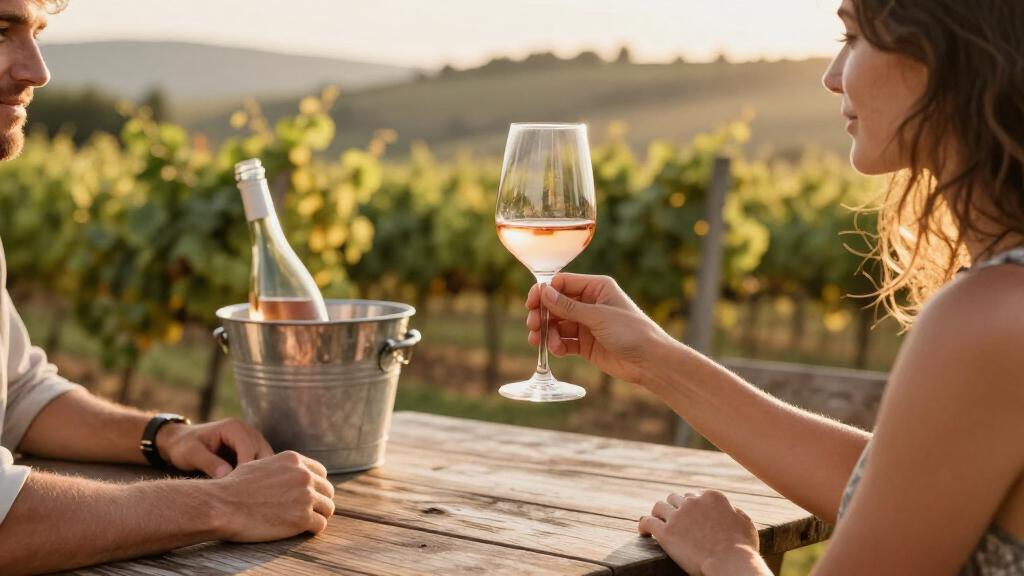
Since these three bottles occupy overlapping but distinct niches, I judged each against what a buyer in that niche actually needs rather than scoring them on a single scale. For the two Chardonnays, I focused on oak regimen, vineyard sourcing, and food versatility — the three variables that most determine whether a Chardonnay tastes creamy and layered or heavy and flat. Duckhorn’s 95% barrel fermentation with 10 months of French oak and lees stirring, drawn from four named cool-climate districts, sets a complexity benchmark; Rombauer counters with its reputation for approachable ripe fruit from Carneros, which makes it the better everyday pour.
For the rosé side, I evaluated BOLLE on how convincingly it replicates the traditional sparkling-wine experience. Its twice-fermented, vacuum-distilled production matters because most alcohol-free wines are simply dealcoholized juice — they lack the texture and mousse that fermentation builds. Independent recognition from Wine Enthusiast and US wine competitions gave me an objective signal that the technique works. I also weighed calorie content and occasion fit, since most non-alcoholic buyers are choosing these for weekday dinners, pregnancy, or designated-driver nights.
Finally, I required every pick to have a genuine drawback worth stating out loud. Rombauer sits at a premium tier for an everyday white; Duckhorn doubles down on oak in a market drifting toward unoaked styles; and BOLLE, like every alcohol-free wine, can’t fully reproduce the mouthfeel that ethanol provides. A roundup where everything is flawless tells you nothing, so these tradeoffs shaped the ranking as much as the strengths did.
| rosé chardonnay wine | Brand | Type | Region |
|---|---|---|---|
| BOLLE Sparkling Rosé | BOLLE | Non-Alcoholic Sparkling Rosé Wine | — |
| Rombauer Vineyards | Rombauer Vineyards | Still White Wine (Chardonnay) | Carneros, California |
| Duckhorn Vineyards Napa Valley | Duckhorn Vineyards | Still White Wine (Chardonnay) | Napa Valley, USA |
Factors to Consider When Choosing Best Rosé Chardonnay Wines
Before you commit to any of these three bottles, it helps to understand the categories they represent and the choices within them. Here’s what I’d weigh before checking out.Still Chardonnay or Sparkling Rosé?
This is the first fork in the road, and it matters more than any brand comparison. Rombauer and Duckhorn are still white wines meant to be poured alongside a meal — their richness, oak, and acidity are designed to interact with food. BOLLE is a sparkling rosé, built for toasts, aperitifs, and lighter sipping occasions. Neither format substitutes for the other, so decide based on the event: dinner party, grab the Chardonnays; celebration, brunch, or an alcohol-free evening, grab the BOLLE.
Understanding Oak in Chardonnay
Oak aging is the single biggest flavor driver in this lineup’s Chardonnays. Barrel fermentation and French oak aging contribute butter, vanilla, toast, and creaminess, while unoaked or stainless-steel fermentation preserves crisp fruit and minerality. Duckhorn takes oak furthest with 10 months in French barrels; Rombauer stops at a rounder, more fruit-centered expression. If you’ve ever loved a California Chardonnay and hated a French Chablis — or vice versa — oak explains the entire difference, so buy accordingly.
Region and Sourcing
Cool-climate grapes retain acidity, which is what keeps rich Chardonnay from tasting flat and heavy. Both Rombauer (Carneros) and Duckhorn (four Napa districts including Carneros and Atlas Peak) source from legitimately cool sites, which is why both wines stay balanced despite oak treatment. Cheaper Chardonnays from hotter regions often achieve ripe fruit but lose that structural backbone — a common disappointment at lower tiers that neither of these picks suffers from.
Non-Alcoholic Wine: What to Expect
Dealcoholized wine has improved dramatically, but physics still applies. Removing ethanol removes some flavor carrier and palate weight, so even a well-made bottle like BOLLE drinks lighter than its alcoholic equivalent. Look for wines that are fermented before dealcoholization, as BOLLE’s twice-fermented process is — these retain far more genuine wine character than products made from flavored grape juice. Manage expectations slightly downward and you’ll be genuinely surprised; expect a champagne clone and you’ll notice the gap.
Matching the Bottle to the Meal
Rich, oaked Chardonnay pairs with rich, fatty dishes — lobster with butter, cream-sauced chicken, roast pork. The wine’s acidity cuts the fat while its texture mirrors it. Sparkling rosé works oppositely: it’s a solo performer or an appetizer wine, where bubbles and red-fruit notes refresh the palate. If you’re buying for a specific menu, let the plate pick the bottle.
Frequently Asked Questions
What is the difference between a rosé and a Chardonnay?
Chardonnay is a white grape variety made into a still white wine by fermenting the juice without skin contact, which produces colors from pale straw to gold and flavors that range from green apple to butter and vanilla depending on oak use. Rosé, by contrast, is made by allowing dark grape skins brief contact with the juice, giving it a pink color and red-fruit flavors like strawberry and cherry. BOLLE in this lineup is a sparkling rosé — pink, bubbly, and fruit-forward — while Rombauer and Duckhorn are classic still Chardonnays. They’re fundamentally different drinking experiences, and the three together cover both styles for shoppers exploring the category.
Is non-alcoholic sparkling wine actually worth drinking?
Quality varies enormously, and the difference comes down to production method. Bottles made from flavored grape juice tend to taste sweet and flat, while wines like BOLLE that are genuinely fermented, then vacuum distilled at low temperature and re-fermented, retain much of the structure and aroma of real sparkling wine. BOLLE’s competition medals and 93-point Wine Enthusiast score suggest its technique works better than most. That said, no alcohol-free wine completely matches the warmth and palate weight of the alcoholic original — so it’s best approached as its own category rather than a perfect substitute.
Why does Rombauer rank above Duckhorn if Duckhorn has more oak aging?
More oak isn’t automatically better — it’s a stylistic choice, and my ranking reflects versatility rather than complexity alone. Duckhorn’s 10 months of French oak and lees stirring produce a more structured, serious wine, but that style narrows its audience to people who enjoy buttery, oak-forward Chardonnay. Rombauer delivers riper fruit and a rounder profile that satisfies that same audience while remaining approachable to casual drinkers, which makes it the safer and more flexible buy for most occasions. Duckhorn is the better bottle for a specific type of buyer; Rombauer is the better bottle for almost everyone.
What foods should I serve with these wines?
The two Chardonnays are food wines first. Duckhorn explicitly pairs with lobster, shrimp, fish, chicken, and pork in butter or cream sauces — the richness of the wine mirrors the richness of the dish while its acidity keeps things from feeling heavy. Rombauer covers similar territory but has enough bright fruit to also work with simpler weeknight meals like roast chicken or grilled salmon. BOLLE, being a dry sparkling rosé, works best as an aperitif or alongside light appetizers, where its bubbles and red-fruit notes refresh the palate rather than complement a heavy main course.
Are these wines good for gifting?
All three work as gifts but for different recipients. Duckhorn is the strongest pure gift — its Napa Valley pedigree, named vineyard sourcing, and serious winemaking signal quality to anyone who knows wine, making it ideal for hosts, bosses, or wine-literate friends. Rombauer is the safest crowd gift because its style is widely recognized and almost universally enjoyed. BOLLE is the thoughtful choice for recipients who don’t drink alcohol, whether by preference, pregnancy, or health reasons, since it lets them participate in a toast with something that actually resembles sparkling wine rather than sparkling juice.
Conclusion
After comparing all three, my recommendations split cleanly by buyer type. If you want one bottle that works for nearly any dinner or guest list, go with Rombauer Carneros Chardonnay — its balance of ripe fruit, creaminess, and acidity is the most versatile pick, and its only real cost is a premium price and a style too rich for unoaked-white devotees. If you’re buying for a special meal or a wine-literate recipient, Duckhorn’s Napa Valley Chardonnay is the upgrade: more oak, more structure, and multi-district Napa sourcing that rewards a plate of lobster or cream-sauced chicken — just skip it if anyone at the table dislikes buttery styles. And if your priority is celebrating without alcohol, BOLLE’s Sparkling Rosé is the clear choice, thanks to a genuine twice-fermented process and a dry, low-calorie profile that outclasses virtually every alcohol-free competitor. Buy the occasion first, the bottle second, and none of these three will let you down.
NFL season / tailgating Picks
team gear
As an affiliate, we earn on qualifying purchases.