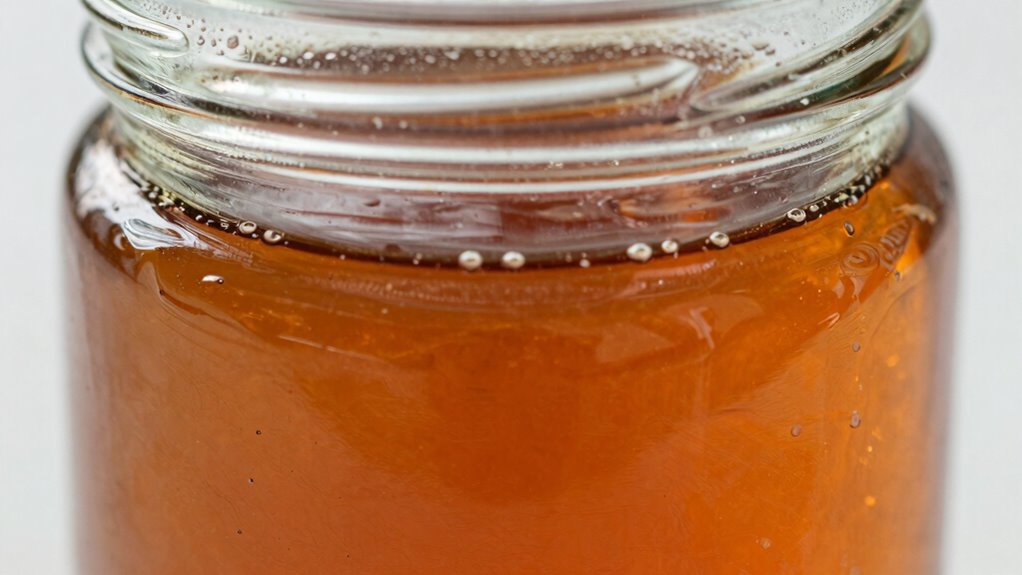

If your syrup looks cloudy, it’s usually caused by natural factors like sugar, acids, or crystallization, not spoilage. Storage conditions such as temperature swings and humidity can also make it cloudy without affecting safety. Check for mold, off smells, or slimy textures—if none exist, it’s likely still safe to use. Understanding these causes helps prevent unnecessary discarding. Keep exploring to learn more about how to tell when your syrup is truly spoiled.
Key Takeaways
- Cloudiness often results from natural sugars, acids, or crystallization, not spoilage.
- Check for mold, off smells, or slimy textures to identify spoiled syrup.
- Proper storage in a cool, dark place and refrigeration helps maintain syrup quality.
- If no signs of spoilage are present, cloudy syrup is generally safe to consume.
- Sensory evaluation (smell, taste, appearance) guides safe usage despite cloudiness.
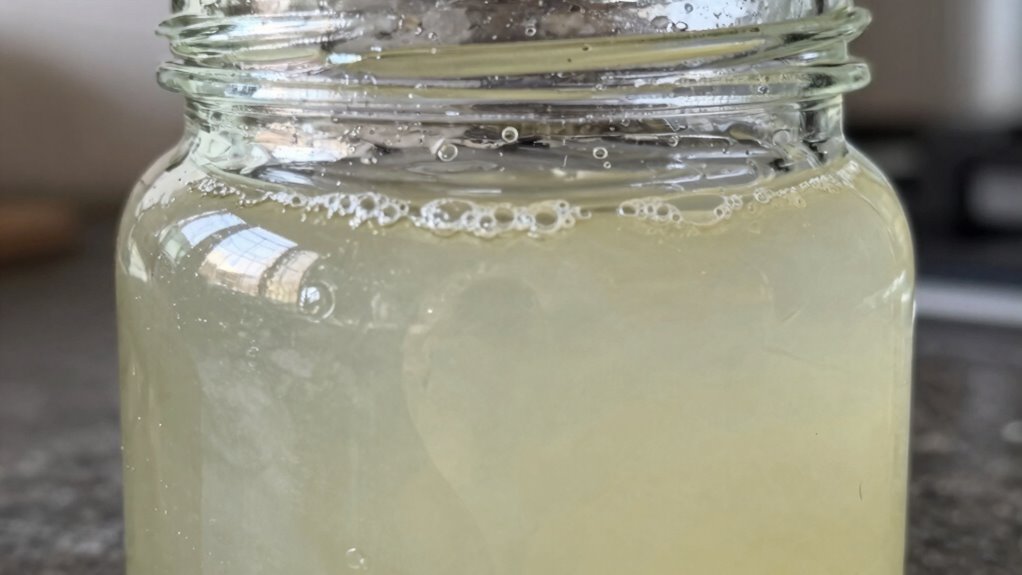
On a chilly morning at the local breakfast shop, customers noticed something strange: the syrup sitting atop their pancakes was cloudy and thick, unlike the clear, golden syrup they expected. This unexpected change sparks questions—Is this syrup still safe to eat, or has it spoiled? When syrup becomes cloudy, it’s tempting to toss it out, but sometimes, the change isn’t harmful. Instead, it could be due to natural factors like the presence of natural preservatives or storage conditions. Understanding these elements helps you determine whether the syrup remains safe or if you should discard it.
Natural preservatives, such as certain sugars and acids, can cause syrup to become cloudy without indicating spoilage. These substances help extend shelf life by inhibiting bacterial growth, but they also influence the syrup’s appearance. When syrup is stored without proper care, natural preservatives can lead to cloudiness, especially if it’s exposed to fluctuating temperatures or humidity. This cloudiness isn’t always a sign of bacterial growth or mold; sometimes, it simply results from natural separation or crystallization that occurs over time. Recognizing this helps you avoid unnecessary waste and makes you more confident about consuming syrup past its initial appearance.
Cloudiness in syrup often results from natural preservatives and storage conditions, not spoilage.
Storage tips are key to maintaining syrup’s quality and clarity. Ideally, you want to keep syrup in a cool, dark place—like a pantry or a cupboard—away from direct sunlight and heat. Once opened, refrigeration can slow down natural changes and prevent spoilage. When refrigerating, make sure your container is tightly sealed to prevent moisture and contaminants from getting in, which can cause cloudiness or mold. If your syrup does turn cloudy, check for any off smells, mold, or an unusual taste before deciding to use it. Proper storage not only preserves its flavor but also helps keep the syrup visually appealing and safe for longer periods.
If you notice your syrup becoming cloudy but it smells fresh and tastes normal, it’s likely still safe. However, if it develops an off-putting odor, a slimy texture, or visible mold, it’s best to discard it. Remember, natural preservatives and storage tips play a big role in how long syrup stays good. Keeping syrup in optimal conditions minimizes the risk of spoilage and ensures you get to enjoy your pancakes without worry. Ultimately, understanding these factors empowers you to make informed decisions and reduces food waste, even when your syrup’s appearance changes unexpectedly.
As an affiliate, we earn on qualifying purchases.
Frequently Asked Questions
Can Cloudy Syrup Cause Health Issues if Consumed?
Yes, cloudy syrup can cause health issues if consumed, especially if the flavor has altered or if it has developed texture changes. These signs often indicate spoilage or bacterial growth, which could lead to stomach discomfort or food poisoning. Always check for unusual smell, taste, or appearance before using syrup. When in doubt, it’s safer to discard it to avoid potential health risks.
How Long Does Syrup Typically Stay Fresh After Opening?
Once you open syrup, it typically stays fresh for about six months if stored properly. Over time, you might notice a flavor change or texture alteration, like increased cloudiness or crystallization. These changes don’t necessarily mean the syrup is spoiled, but they can affect taste and consistency. To keep it fresh longer, store it in a cool, dark place and tightly seal the bottle after each use.
Are There Specific Brands More Prone to Cloudiness?
Like a clear pond suddenly clouded, some brands are more prone to cloudiness due to manufacturing quirks. You’ll find that brands with a strong reputation often maintain consistent quality, reducing the chance of cloudiness. Conversely, lesser-known or budget brands might have inconsistent manufacturing processes, leading to more unpredictable cloudiness. Always check reviews and ingredient lists to gauge whether a brand’s syrup is likely to stay clear or turn cloudy over time.
Does Refrigeration Prevent Syrup From Becoming Cloudy?
Refrigeration can help slow down sugar crystallization, which often causes syrup to become cloudy. Proper syrup storage in a cool, dark place is usually enough to keep it clear. However, if you refrigerate, expect some cloudiness due to temperature changes affecting sugar. To prevent this, store syrup at room temperature and tightly seal the container. If cloudiness appears, gently warm the syrup to restore clarity.
Is Cloudy Syrup Safe to Use in Cooking or Baking?
Cloudy syrup is generally safe to use in cooking or baking, but it might cause flavor alteration and a texture change in your final dish. The cloudiness often results from sugar crystallization or minor fermentation, which doesn’t make it dangerous. However, if it smells sour or has an off taste, it’s best to discard it. Otherwise, you can confidently incorporate cloudy syrup into recipes, understanding it might slightly impact the dish’s consistency or flavor.
As an affiliate, we earn on qualifying purchases.
Conclusion
So, next time you notice that cloudy coat on your syrup, don’t dismiss it as a disaster. Instead, decipher the subtle signs, decide if it’s safe or spoiled, and savor your sweet spread with confidence. Remember, a little diligence dissolves doubts, turning a syrupy suspicion into a satisfying solution. With careful consideration, you can confidently conquer the cloudy conundrum, keeping your kitchen safe, sweet, and scandalously scrumptious.
As an affiliate, we earn on qualifying purchases.
As an affiliate, we earn on qualifying purchases.