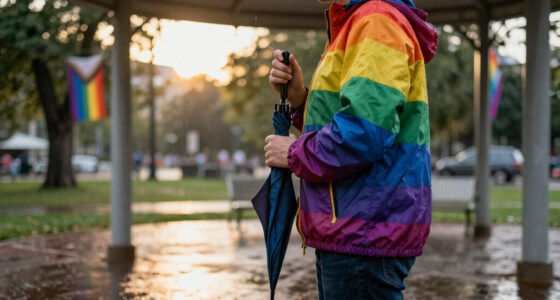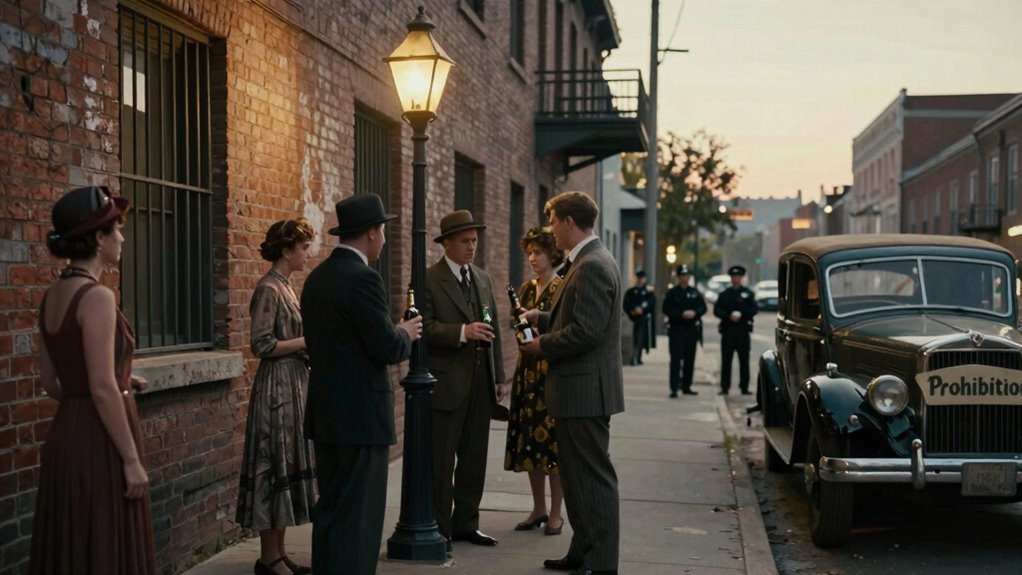

Many people think Prohibition was just about banning alcohol to moralize society, but it was driven by complex social, political, and economic factors. It didn’t eliminate drinking; illegal bars thrived, and organized crime expanded, often influencing politics. Prohibition also had unintended consequences like crime and corruption, showing laws can’t easily change culture. If you look closer, you’ll see these myths oversimplify a nuanced era. Keep exploring to uncover what really happened during Prohibition.

Get the little things that make your day delivered free — and shop member deals
- Fast, free delivery on millions of items
- Access to Prime Big Deal Days deals on October 6–7
- Prime Video, Amazon Music and more included
Key Takeaways
- Prohibition was driven by complex social, political, and economic factors, not solely temperance or moral motives.
- Alcohol consumption persisted underground during Prohibition, making it impossible to eliminate entirely.
- Organized crime expanded significantly, profiting from illegal alcohol and corrupting politics beyond popular belief.
- Prohibition’s social and health impacts were mixed, with some improvements but enduring alcohol-related issues.
- Its legacy highlights that laws alone cannot change deeply rooted cultural norms or prevent underground markets.
As an affiliate, we earn on qualifying purchases.
What Are the Common Myths About Prohibition?
What Are the Common Myths About Prohibition?
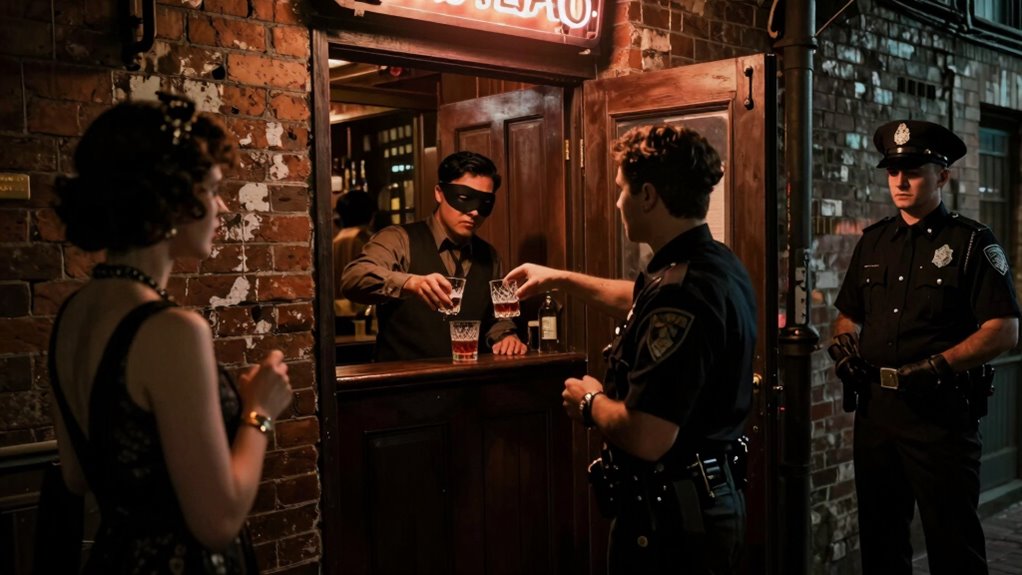
What are the common myths about Prohibition that many people still believe today? Many think Prohibition was solely driven by temperance movements aiming to ban alcohol. In reality, societal misconceptions often oversimplify its origins, ignoring economic, political, and social factors. Some believe it completely eradicated alcohol consumption, but underground bars and bootlegging thrived. Others assume all Americans supported Prohibition, yet many resisted or ignored the laws. The idea that Prohibition was a straightforward moral crusade ignores the complex motivations behind it. These misconceptions distort history, making it seem like Prohibition was a clear-cut victory or failure. In truth, it was a multifaceted era influenced by societal pressures, political agendas, and cultural shifts, not just the efforts of temperance movements. Additionally, the economic factors that contributed to Prohibition’s rise reveal a broader context of the time, including the influence of government regulations that shaped public perception and policy decisions. Understanding this adaptable structure of societal influences can provide deeper insights into the era’s complexities, especially when considering how monetization strategies emerged in response to the new laws. Furthermore, the rise of family waterpark attractions during the Prohibition era showcased how entertainment shifted in response to changing social norms and restrictions.
illegal speakeasy bar accessories
As an affiliate, we earn on qualifying purchases.
As an affiliate, we earn on qualifying purchases.
Did Prohibition Really End Drinking Problems?
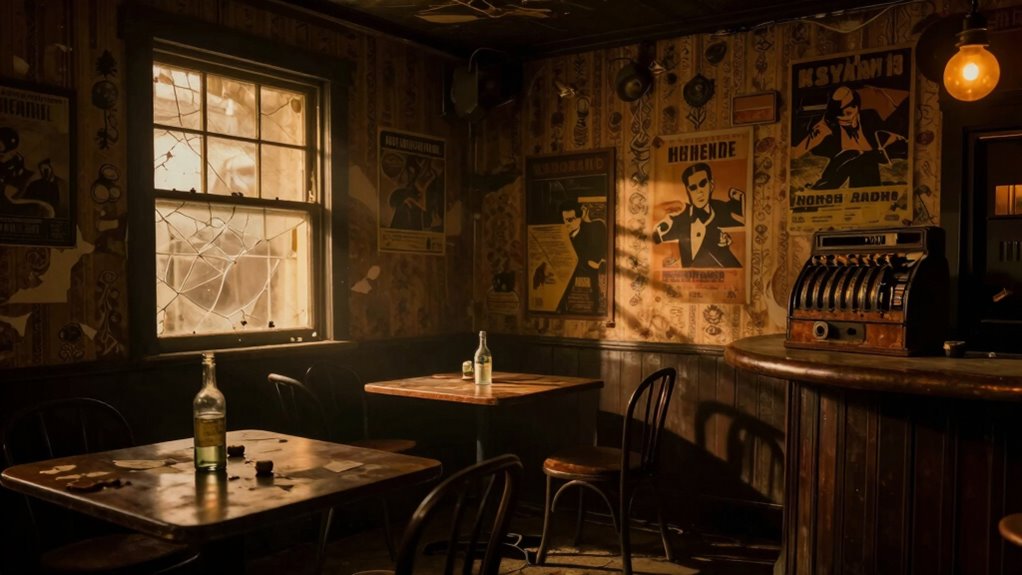
You might think Prohibition solved America’s drinking issues, but organized crime surged as gangs took control of alcohol sales. During this time, alcohol consumption actually increased in some areas, defying expectations. So, did Prohibition truly end drinking problems, or did it just change how they played out? Additionally, the surge in illegal activities during this era is reminiscent of the challenges faced in electric bike pricing today, where regulations often lead to unforeseen consequences. The experience of traditional techniques in crafting Indonesian masks illustrates how unintended outcomes can arise when attempting to regulate cultural practices. Moreover, the data storage solutions adopted during this time reflected a shift in societal behaviors, highlighting how attempts to manage one issue can inadvertently create others. Understanding the importance of debt management in financial planning is crucial, as it helps individuals navigate their economic challenges more effectively. In creating a balanced approach to regulations, the lessons learned from workspace ergonomics can provide valuable insights into how to optimize environments for productivity and well-being.
Rise in Organized Crime
Sure! Here’s your updated article subheading content with the requested enhancements:
—
Did Prohibition really curb drinking problems, or did it simply shift the landscape of crime? Instead of reducing issues, it fueled the rise of organized crime. Criminal syndicates took over the illegal alcohol trade, creating vast underground markets. These groups didn’t just control booze—they expanded into illegal gambling and other illicit activities, making crime more sophisticated and dangerous. The violence associated with these organizations skyrocketed as they fought for control over profitable markets. Prohibition didn’t eliminate crime; it transformed it, empowering gangs and fostering corruption. You might think banning alcohol would lessen societal issues, but instead, it gave criminals a new playground and increased the complexity of illegal enterprises. The growth of organized crime during Prohibition shows how criminal networks adapt to enforce their influence. Additionally, the high refresh rates of illegal gambling operations further contributed to the chaotic environment, drawing in more participants and increasing the stakes in this underground economy. The introduction of accessibility features made it easier for people to engage in various activities, including gambling, even in secretive settings. As the demand for illegal alcohol surged, many turned to battery inverter generators to power their operations discreetly. The rise of organized crime during this era underscores the importance of home safety measures to protect against the impact of such illicit activities on communities. As individuals sought work-life harmony, the stressors of Prohibition often pushed them into the arms of these dangerous criminal enterprises.
—
Let me know if you need any more modifications!
Alcohol Consumption Trends
Many believe that Prohibition successfully reduced alcohol consumption, but the reality is more complex. Cultural shifts during and after Prohibition changed social perceptions of drinking, often glamorizing illegal alcohol use. While official statistics show a decline in legal sales, underground bars and speakeasies thrived, keeping alcohol accessible. Unique beetroot recipes for baby-led weaning reflect how societal views on food and drink can evolve over time, emphasizing the importance of healthy choices. Post-Prohibition, consumption patterns fluctuated, influenced by changing social norms and economic factors. The idea that Prohibition ended drinking problems is misleading; in fact, alcohol-related issues persisted and evolved. Today, drinking trends reflect a society still grappling with how alcohol fits into cultural identity and social life. Understanding these shifts helps you see that Prohibition’s impact on drinking habits is nuanced, shaped more by changing attitudes than simply by the legal status of alcohol. Additionally, examining the risks and rewards of Bitcoin IRAs can provide insight into how societal attitudes evolve around regulated substances and investments alike. Techniques like auditory feedback therapy can also be beneficial in understanding the broader implications of communication and social engagement in relation to alcohol consumption. Moreover, the professional services offered by architects can also reflect changing societal values, as innovative spaces are designed to accommodate modern lifestyles that engage with alcohol differently. Regular LiFePO4 battery maintenance practices can be essential, paralleling how consistent care and consideration are necessary to navigate the complexities of alcohol consumption.
organized crime history documentary
As an affiliate, we earn on qualifying purchases.
As an affiliate, we earn on qualifying purchases.
How Did Prohibition Influence Organized Crime?
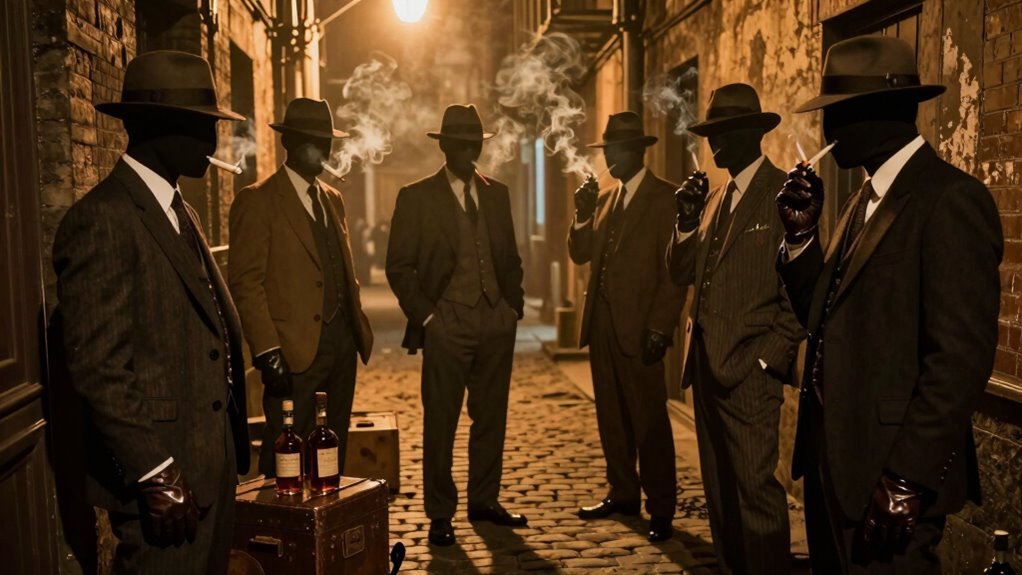
Prohibition led to the rise of illegal speakeasies and bootlegging networks, transforming the way alcohol was distributed. These underground operations fueled the growth of organized crime groups that controlled much of the illegal activity. As a result, organized crime expanded markedly during this period, shaping its influence for years to come. The financial gains from car leasing costs provided a funding source for many of these criminal enterprises. Additionally, the increased demand for urban traffic confidence during this time made it easier for criminals to evade law enforcement and operate their illicit businesses. The emergence of illegal distribution networks during this era laid the groundwork for modern organized crime syndicates. Notably, this surge in organized crime was also influenced by the high unemployment rates that characterized the economic landscape of the time. Furthermore, the lack of inclusive casting in media representations at the time perpetuated stereotypes that often benefited criminal organizations.
Rise of Illegal Speakeasies
The rise of illegal speakeasies transformed urban nightlife and became a cornerstone of organized crime during Prohibition. These underground bars operated in secret, hidden behind unmarked doors or within legitimate businesses. People flocked to these secret gatherings to enjoy alcohol illegally, defying the law and social norms. As demand grew, organized crime groups took control, providing protection and running these clandestine venues for profit. Speakeasies became hubs for socializing, jazz music, and illicit activities, fueling a culture of rebellion. Their covert nature made them difficult for authorities to shut down completely, allowing criminal networks to expand their influence. Ultimately, the rise of these illegal establishments deepened the roots of organized crime, shaping the criminal landscape during Prohibition.
Growth of Bootlegging Networks
How did illegal alcohol production and distribution expand during Prohibition? Bootlegging networks grew rapidly as demand for alcohol soared. These networks became sophisticated, establishing routes and hidden facilities to supply speakeasies and private citizens. You’d see organized groups controlling the entire process—from manufacturing to illegal distribution—making it highly profitable.
- Bootlegging networks established extensive smuggling routes across borders and inland.
- They employed violence and intimidation to protect their operations.
- Distribution became centralized in cities, with illegal alcohol reaching even the most remote areas.
This growth transformed small-scale operators into powerful crime syndicates, cementing organized crime’s influence during Prohibition. Their ability to adapt and expand was a direct result of the demand for illegal alcohol and the lucrative nature of bootlegging.
Expansion of Organized Crime
Ever wonder how organized crime grew so powerful during Prohibition? It was the rise of bootlegging networks that played a pivotal role. Criminal groups expanded their operations to meet the demand for illegal alcohol, creating complex and widespread organized crime syndicates. These networks didn’t just smuggle alcohol; they controlled distribution, bribed officials, and engaged in violent turf wars. As Prohibition persisted, these crime organizations grew more sophisticated, infiltrating legitimate businesses and politics. The profits from illegal alcohol made them wealthy and influential, allowing organized crime to cement its power in society. You see, Prohibition unintentionally fueled the growth of organized crime, turning small-time bootleggers into powerful crime empires that lasted long after the alcohol ban ended.
Prohibition themed educational game
As an affiliate, we earn on qualifying purchases.
As an affiliate, we earn on qualifying purchases.
What Role Did Politics Play in the Prohibition Era?
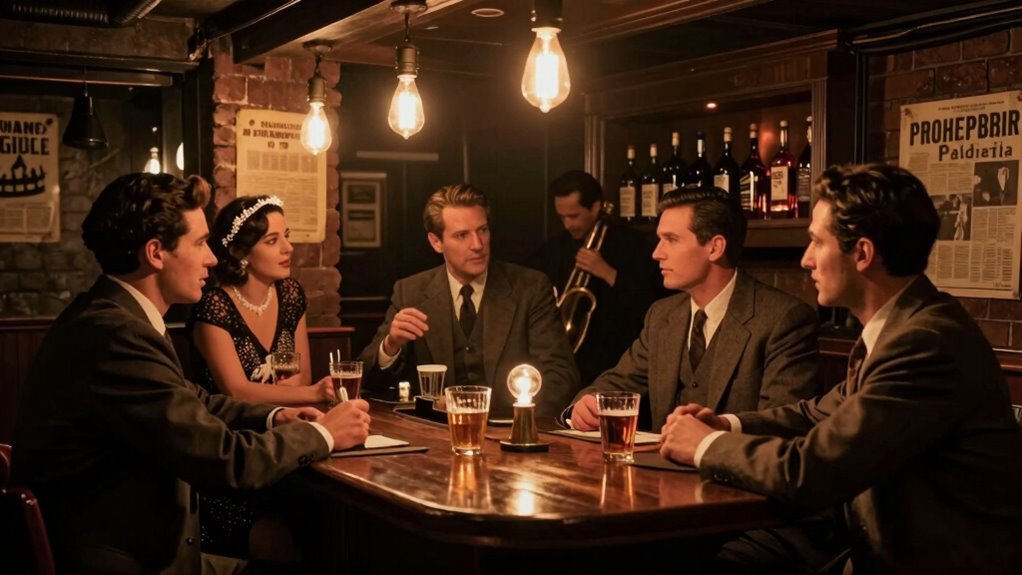
Have you ever wondered how politics shaped the Prohibition era? Political influence was a major driver behind the nationwide ban on alcohol, with lawmakers pushing for legislation rooted in moral and social concerns. The legislative impact was significant, as laws like the 18th Amendment were passed swiftly, often influenced by temperance movements and political agendas.
- Politicians gained votes by supporting Prohibition, aligning with moral reform groups
- Legislation was driven more by moral agendas than economic or public health data
- Political pressure from interest groups shaped enforcement policies and priorities
Understanding this political backdrop helps clarify why Prohibition lasted as long as it did, driven more by political motives than public consensus.
Did Prohibition Have Any Positive Effects on Society?
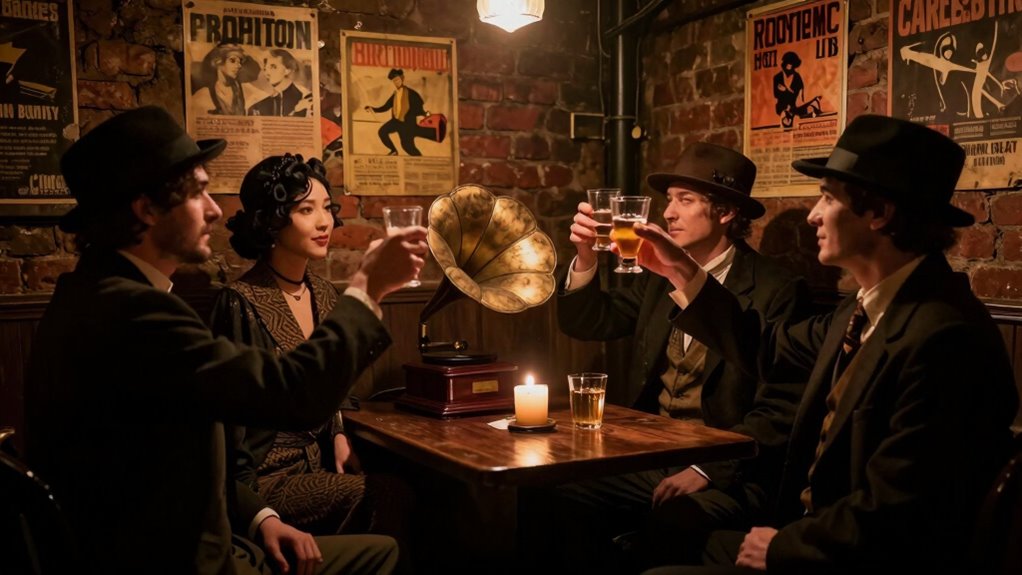
Prohibition did lead to some notable positive effects on society, despite its overall controversies. It strengthened temperance movements, promoting alcohol moderation and raising awareness about alcohol-related issues. Additionally, it sparked cultural shifts toward healthier lifestyles and social responsibility. These changes encouraged communities to focus on sobriety, family stability, and public health.
| Positive Effects | Impact |
|---|---|
| Strengthened temperance movements | Increased advocacy for moderation |
| Cultural shifts | Promoted healthier, responsible behavior |
| Public health improvements | Reduced alcohol-related injuries and crimes |
| Community focus | Encouraged social cohesion and safety |
What Can We Learn From the Prohibition Experience?
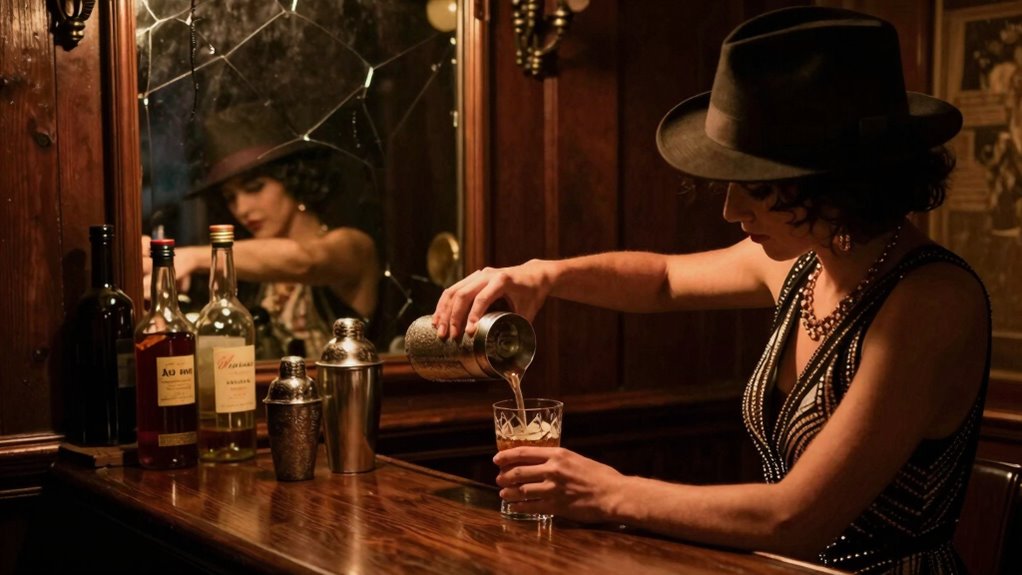
What can we learn from the Prohibition experience? Examining its historical context and cultural impacts reveals lessons on policy and society. Prohibition shows that laws alone can’t change deep-rooted behaviors or cultural norms. It highlights the risks of unintended consequences, like the rise of illegal activities. You also see how societal values shape legislation and public response.
Prohibition teaches us that laws alone can’t change cultural norms or prevent underground activities.
- Recognize that cultural influences heavily impact the success or failure of policies.
- Understand that prohibition can foster underground economies and violence.
- Appreciate the importance of considering societal norms before implementing restrictive laws.
How Does the Prohibition Era Inform Current Liquor Laws?
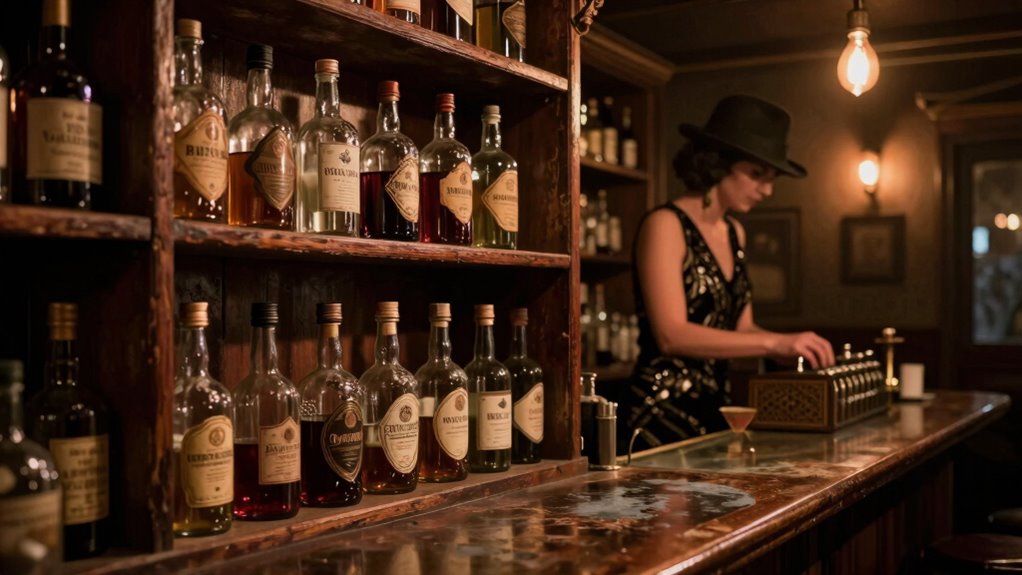
The lessons learned from the Prohibition era continue to shape how we craft and enforce current liquor laws. The temperance movement’s influence led to strict liquor legislation, emphasizing regulation and control. Modern laws reflect the desire to balance public health with individual freedoms, often incorporating lessons about unintended consequences like bootlegging and organized crime. States now set their own rules about sales, licensing, and hours, aiming to prevent the chaos of Prohibition. The history reminds us that overly restrictive policies can backfire, so today’s legislation seeks moderation and responsible consumption. Understanding this history helps you see why regulations are in place and how they aim to prevent past mistakes, ensuring alcohol is available safely and legally without repeating the errors of the past.
Frequently Asked Questions
Were There Any Unintended Consequences of Prohibition?
Yes, you’ll find that prohibition led to unintended consequences, like the rise of bootlegging operations and organized crime. As you might expect, criminal groups took advantage of the ban on alcohol, smuggling and selling illegally. This fueled violence and corruption, making law enforcement struggle. Instead of reducing drinking, prohibition unintentionally empowered criminal networks, creating a dangerous underground economy that persisted long after the ban was lifted.
How Did Prohibition Affect Women’s Rights Movements?
Prohibition sparked significant changes in women’s rights movements. You’d see women’s activism gain momentum as they fought for social reforms, including temperance and suffrage. Many women viewed prohibition as a way to promote morality and protect families, which aligned with their broader advocacy for social justice. This period strengthened women’s political involvement, helping them organize, rally, and push for lasting legal and societal reforms.
Did Prohibition Impact Economic Growth During the 1920S?
Prohibition didn’t just slow down the economy; it nearly stopped it in its tracks! You’ll see economic decline, as alcohol-related industries shut down and jobs vanished, and tax revenue plummeted. The government struggled to fill the financial gap, leading to increased deficits. So, far from boosting growth, Prohibition drained the economy, showing how restrictive policies can unintentionally cripple a nation’s financial health.
Were All Regions Equally Affected by Prohibition Laws?
No, not all regions were equally affected by prohibition laws. You’ll find regional disparities due to cultural differences, with some areas like the South and Midwest enforcing stricter bans, while others like urban centers in the Northeast experienced more illicit activity. These differences influenced how prohibition impacted communities, leading to varying levels of enforcement, illegal activities, and social consequences across the country.
How Accurate Are Popular Movies About Prohibition-Era Speakeasies?
Think of movies about prohibition-era speakeasies as a jazz tune—sometimes lively, sometimes exaggerated. They often romanticize speakeasy culture, but ignore the harsh realities. While jazz influence and secret bars did shape the era, films tend to blur facts, emphasizing glamour over danger. So, don’t take every scene at face value; real speakeasies were more clandestine and gritty than Hollywood’s glamorous portrayals.
Conclusion
Understanding Prohibition reveals that it didn’t eliminate drinking issues—alcohol-related arrests actually increased by 60% during that time. It also fueled organized crime and corruption, showing how myths can distort history. By learning from these mistakes, you can see why modern liquor laws focus on regulation rather than banning. Ultimately, the Prohibition era teaches you that effective policies balance enforcement with education, helping society address issues without creating new problems.
Halloween Picks
halloween
As an affiliate, we earn on qualifying purchases.