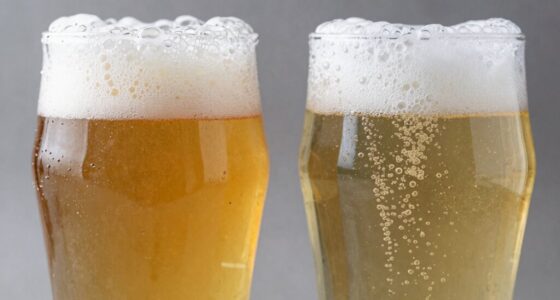
The main difference between lager and ale is the type of yeast used and their fermentation process. Lagers use bottom-fermenting yeast (Saccharomyces pastorianus) and ferment at cooler temperatures, resulting in a cleaner, crisper flavor and clearer appearance. Ales use top-fermenting yeast (Saccharomyces cerevisiae) at warmer temps, giving them fruity flavors and a fuller body. If you want to understand how these differences shape your beer experience, keep exploring the details below.
Key Takeaways
- The primary difference is the type of yeast used: lager with bottom-fermenting yeast (Saccharomyces pastorianus) and ale with top-fermenting yeast (Saccharomyces cerevisiae).
- Lagers ferment at cooler temperatures (45-55°F), while ales ferment at warmer temperatures (60-75°F).
- This temperature difference influences fermentation speed, flavor profile, and clarity of the beer.
- Lagers tend to be cleaner, crisper, and lighter in appearance; ales are more fruity, complex, and fuller-bodied.
- The yeast and fermentation temperature are the key factor that fundamentally alter the beer’s character and style.

Mr. Beer – Craft Beer Making Kit 4 Gallon Complete DIY Home Brew Set Everything Included, Bottles, Refills Brew in 30 Minutes
Easy Home Brew – This all-in-one kit includes everything you need, from fermentation equipment to supplies and ingredients,…
As an affiliate, we earn on qualifying purchases.
As an affiliate, we earn on qualifying purchases.
What’s the Main Difference Between Lager and Ale?
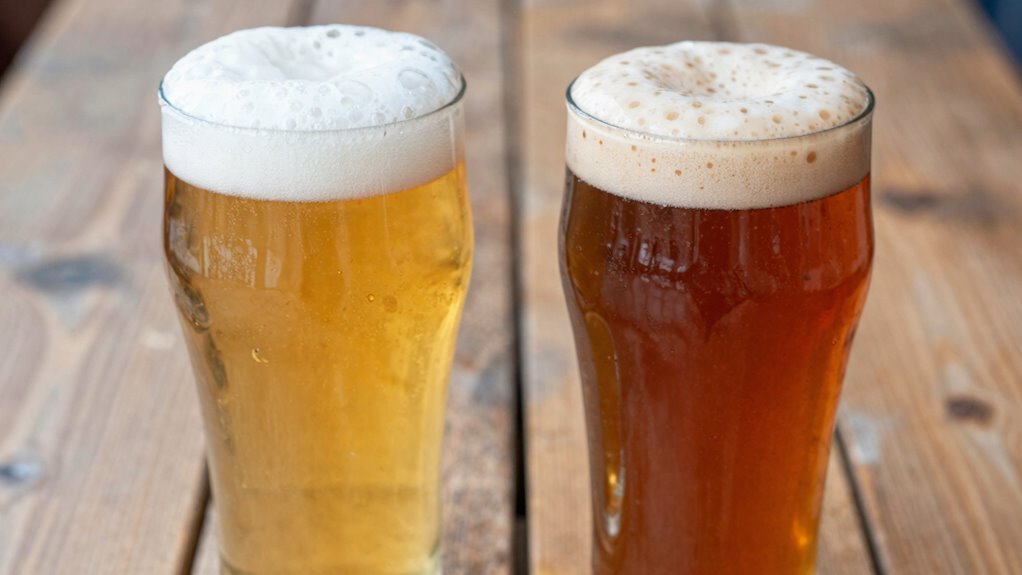
The main difference between lager and ale lies in the fermentation process and the type of yeast used. When you explore their crafting techniques, you’ll see that lagers are brewed with bottom-fermenting yeast, which ferments at cooler temperatures, leading to a clean, crisp taste. Ales, on the other hand, use top-fermenting yeast that works at warmer temperatures, producing more complex, fruity flavors. Understanding their historical origins helps clarify this distinction: ales date back thousands of years, with brewing techniques developed in ancient civilizations, while lagers originated in Central Europe during the 15th century, utilizing cooler fermentation methods. This fundamental difference in fermentation and yeast choice shapes the unique flavors and qualities of each beer type.
![Craft A Brew - SafLager W-34/70 Yeast - German Lager Dry Yeast - For Craft Lagers - Ingredients for Home Brewing - Beer Making Supplies - [1 Pack]](https://m.media-amazon.com/images/I/51xxCkQ4WML._SL500_.jpg)
Craft A Brew – SafLager W-34/70 Yeast – German Lager Dry Yeast – For Craft Lagers – Ingredients for Home Brewing – Beer Making Supplies – [1 Pack]
DRY YEAST – Looking for extra yeast for homebrewing beer? Try our SafLager W-34/70 German Lager Dry Yeast,…
As an affiliate, we earn on qualifying purchases.
As an affiliate, we earn on qualifying purchases.
How Do Yeast Types Affect Beer Fermentation?
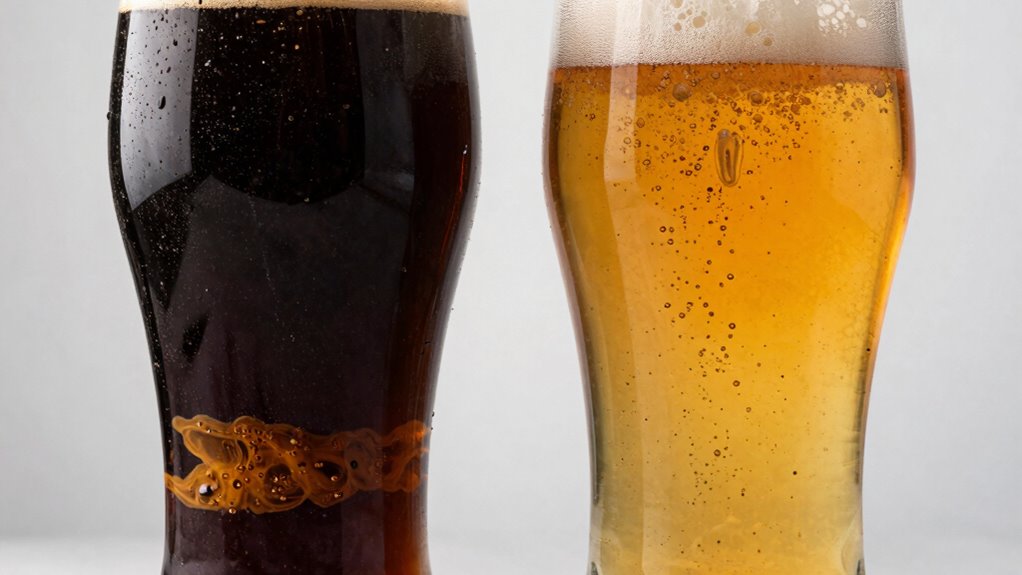
Your choice of yeast strain influences fermentation and shapes the beer’s flavor, aroma, and mouthfeel. Different strains thrive at various temperatures, affecting how quickly and completely fermentation occurs. These factors combine to create the distinct taste profiles found in lagers and ales. Additionally, understanding natural ingredients can enhance the brewing process, much like how they benefit dog snacks. The fermentation process is critical, as it determines not only the alcohol content but also the overall characteristics of the beer, including flavor extraction and complexity. Furthermore, the horsepower of electric dirt bikes showcases how different mechanics can lead to varied outputs, paralleling the effects of yeast strain on beer. A well-planned budget can support your brewing endeavors by managing expenses effectively.
Yeast Strain Characteristics
Yeast strain characteristics play a crucial role in shaping the flavor, aroma, and overall profile of your beer. Your choice of yeast genetics influences how fermentation enzymes break down sugars, producing distinct taste profiles. Different strains carry unique metabolic pathways, resulting in variations in alcohol content, carbonation, and flavor compounds. For example, ale yeasts typically produce fruity and complex aromas, while lager yeasts tend to create cleaner, crisper finishes. Understanding these characteristics helps you select the right yeast for your desired beer style. The fermentation enzymes active in each strain determine how efficiently sugars are converted, affecting both the fermentation speed and the final taste. By choosing specific yeast strains, you directly influence the character and quality of your brew. Additionally, exploring content formats can enhance your understanding of how fermentation impacts various beer styles.
Fermentation Temperature Impact
Different yeast types thrive within specific temperature ranges, and this considerably impacts fermentation performance and flavor development. When you control fermentation temperature, you influence yeast activity directly, affecting how efficiently yeast converts sugars into alcohol and CO₂. Ale yeasts typically perform best at warmer temperatures, around 60-75°F, leading to rapid fermentation and more robust ester and phenol production. Lager yeasts prefer cooler temperatures, usually between 45-55°F, which slows yeast activity and results in cleaner, crisper beers. If fermentation temperature rises too high, yeast activity can become erratic, causing off-flavors. Conversely, too cold can stall yeast activity altogether. Monitoring and adjusting fermentation temperature based on yeast type ensures ideal performance and consistent beer quality.
Flavor Profile Differences
The type of yeast used in fermentation has a profound impact on the beer’s flavor profile, shaping everything from aroma to taste. Ale yeast, typically Saccharomyces cerevisiae, ferments at warmer temperatures, producing fruity and complex flavors that develop quickly. Conversely, lager yeast, Saccharomyces pastorianus, ferments cooler, resulting in cleaner, crisper tastes. Your brewing equipment influences how yeast performs during fermentation, affecting flavor development. Additionally, beer aging plays a role; lagers often require longer aging to mellow flavors, enhancing smoothness, while ales develop their flavors more rapidly. These yeast-driven differences in fermentation create distinct sensory experiences, making yeast choice a vital factor in crafting beers with unique flavor profiles. Understanding mind-body healing can also aid brewers in maintaining focus and creativity throughout the brewing process. The choice of yeast strain can significantly impact fermentation temperature, which affects both the speed and the complexity of flavor development. Engaging in music-making during the brewing process can further enhance creativity and self-expression, enriching the overall experience. Furthermore, using high-quality glass for tasting can improve the sensory evaluation of the beers, allowing brewers to appreciate the nuances in flavor and aroma more fully. Incorporating efficient laundry techniques in the brewing space can help maintain a clean environment, ultimately supporting better beer production.

North Mountain Supply – FT-05-3 Fermentis SafAle US-05 Beer/Ale Yeast – Pack of 3 – Fresh Yeast
Sold by North Mountain Supply – Fresh!
As an affiliate, we earn on qualifying purchases.
As an affiliate, we earn on qualifying purchases.
Why Do Lager and Ale Have Different Flavors and Textures?
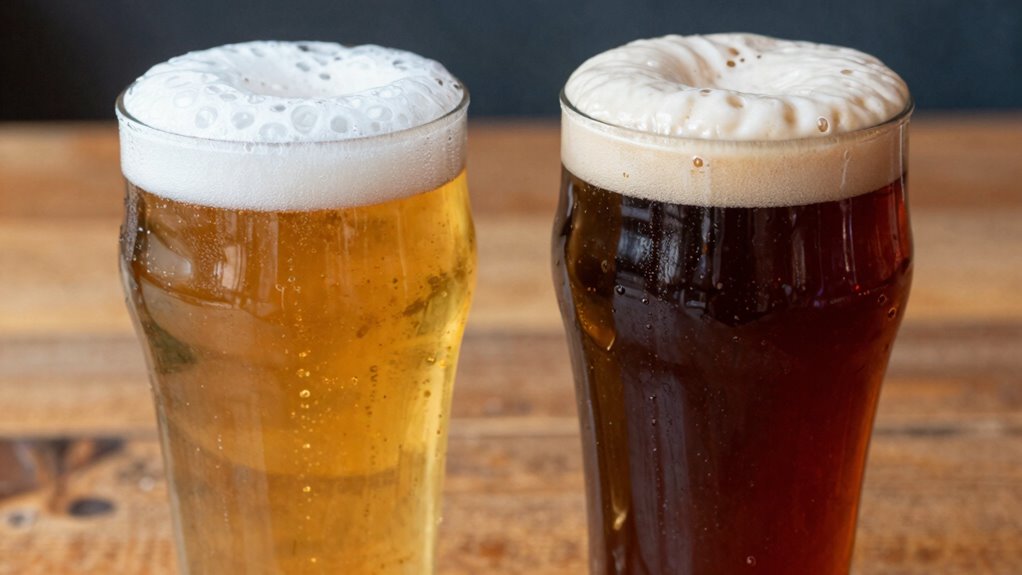
Lager and ale develop their unique flavors and textures primarily because of the distinct yeast strains used and the fermentation processes involved. Ancient brewing traditions laid the groundwork for these differences, with early civilizations experimenting with various yeasts and techniques. Fermentation science reveals that ale uses top-fermenting yeast, which operates at warmer temperatures, producing fruity and complex flavors. Lager employs bottom-fermenting yeast, fermenting at cooler temperatures, resulting in a cleaner, crisper taste. These yeast choices influence not only flavor but also texture, with lagers often smoother and lighter, while ales tend to be fuller-bodied. The fermentation process, as a result, shapes the sensory profiles you experience, making each style uniquely appealing. This fundamental difference in yeast and fermentation is what creates the diverse flavor landscapes of lager and ale. Additionally, the environmental impact of brewing practices can further influence the flavor profiles, as sustainable methods are increasingly adopted by breweries.

TempPro TP509 Candy Thermometer with Pot Clip, 10" Long Probe Instant Read Meat Food Thermometer with LCD, Cooking Oil Deep Frying Thermometer for Candy Syrup Sugar Brewing (Previously ThermoPro)
【High Accuracy & Fast Reading】Digital candy thermometer get precise temperature readings in just 1-3 seconds with accuracy ±0.9°F,…
As an affiliate, we earn on qualifying purchases.
As an affiliate, we earn on qualifying purchases.
How Are Lager and Ale Brewed Differently?

Lager and ale are brewed differently mainly because of their fermentation temperatures and yeast types. Lagers ferment at cooler temperatures with bottom-fermenting yeast, while ales use warmer temperatures and top-fermenting yeast. These differences shape their distinct flavors and brewing processes.
Fermentation Temperature Variations
Fermentation temperature plays an essential role in shaping the distinct characteristics of lagers and ales. For lagers, fermentation occurs at cooler temperatures—around 45-55°F (7-13°C)—which slows yeast activity and results in a cleaner, crisper flavor. Ales ferment at warmer temperatures—around 60-75°F (15-24°C)—accelerating yeast propagation and producing more complex, fruity notes. These temperature differences influence:
- The speed of fermentation
- The types of flavors produced
- The yeast activity in fermentation vessels
- The overall clarity and taste profile
Maintaining precise temperatures is vital, especially for lagers, as cooler conditions inhibit unwanted byproducts. Understanding these variations helps brewers control the fermentation process, ensuring the desired style and quality of the final product.
Yeast Types and Processes
The choice of yeast plays a key role in shaping the distinct qualities of lagers and ales, influencing everything from flavor to fermentation process. Yeast cultivation involves selecting specific strains, with ale yeast (Saccharomyces cerevisiae) thriving at warmer temperatures, while lager yeast (Saccharomyces pastorianus) prefers cooler environments. This difference affects the fermentation timeline: ales ferment quickly, typically within a week, producing complex flavors, whereas lagers require a longer, colder fermentation to develop their clean, crisp profile. The yeast’s activity during fermentation determines not only taste but also clarity and carbonation. Understanding these yeast types and processes helps you appreciate how each beer style’s unique character is crafted through specific cultivation and fermentation techniques. Additionally, color accuracy in brewing can parallel how precise control leads to distinct flavor profiles.
How Does Fermentation Style Impact Beer Appearance?

The style of fermentation directly influences a beer’s appearance, impacting its color, clarity, and foam. Your choice of yeast affects yeast aesthetics, which determine the beer’s hue and brightness. Additionally, foam formation varies: ales often produce thicker, creamier head, while lagers tend to have a lighter, more persistent foam. Consider these key points:
Fermentation style shapes beer’s look—color, clarity, foam—through yeast choice and brewing techniques.
- Yeast Aesthetics: Different strains yield specific colors and clarity levels.
- Foam Thickness: Ales generally create a denser foam, enhancing visual appeal.
- Clarity: Lager fermentation usually results in clearer beer due to extended conditioning.
- Color Intensity: The fermentation process can influence the beer’s overall shade, from pale to dark.
Your fermentation style shapes how your beer looks, making it a crucial aspect of brewing aesthetics.
Which Beer Is Better for Beginners?
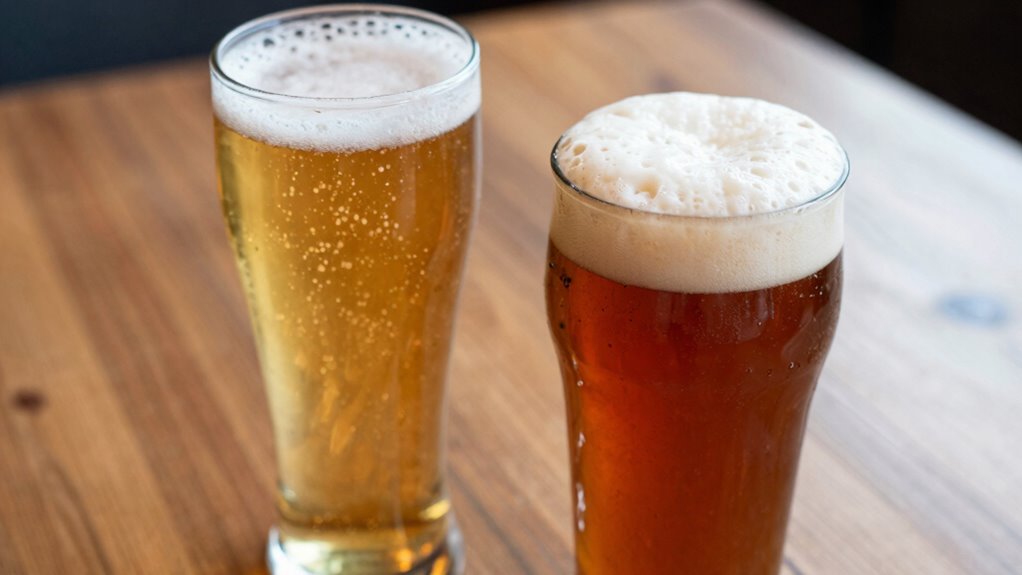
When you’re just starting out, choosing a beer style that’s easy to enjoy and forgiving to brew can make the experience more enjoyable. For beginners, craft beer options like lagers are often ideal because of their clean, smooth flavors and straightforward brewing process. If you’re interested in home brewing, lagers might seem challenging at first due to longer fermentation times, but they teach fundamental techniques. Ales, on the other hand, are more forgiving and quicker to ferment, making them great for learning the basics of brewing. Both types offer accessible entry points, but many beginners find that starting with a simple ale allows for quicker results and easier experimentation. Additionally, understanding the ethical choices involved in sourcing ingredients can enhance your brewing experience. Moreover, exploring fermentation techniques can deepen your appreciation for both lager and ale styles. Furthermore, many brewers appreciate the influence of regional flavors on crafting unique beer profiles. For those passionate about sound and communication, the principles of auditory feedback therapy can also apply to perfecting the art of brewing, as attention to detail and self-monitoring can lead to exceptional results. Ultimately, your choice depends on your taste and willingness to learn. Unraveling the intricacies of dark psychology tactics can also provide insights into the creative process behind brewing, as understanding human behavior can enhance marketing strategies for your beer.
How to Pair Lager and Ale With Food
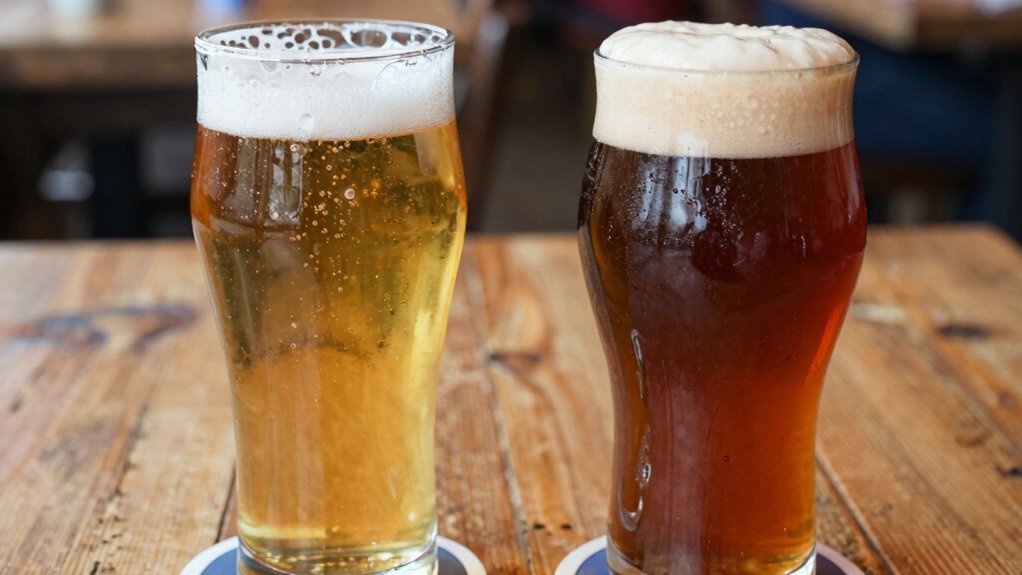
Pairing lager and ale with food enhances your dining experience by highlighting the unique qualities of each beer style. To do this effectively, consider these tips:
Pair lagers and ales with food to elevate flavors and create a balanced, enjoyable dining experience.
- Match lighter lagers with delicate dishes like salads or seafood to accentuate their crispness. Additionally, exploring ideas about flavor pairings can open up new culinary experiences. For optimal results, consider the tip size used in brewing, as it can influence the overall flavor profile. Incorporating holistic SEO strategies can also enhance your understanding of how different flavors interact.
- Pair richer ales with hearty foods such as grilled meats or stews for a balanced flavor.
- Explore beer festivals to discover local brews that complement specific cuisines.
- Use knowledge of brewing equipment to understand flavor profiles, helping you select complementary pairings. Additionally, consider how smart home automation can enhance your dining atmosphere by providing optimal lighting and temperature for your meals.
Choosing the Right Beer: Tips for Beginners
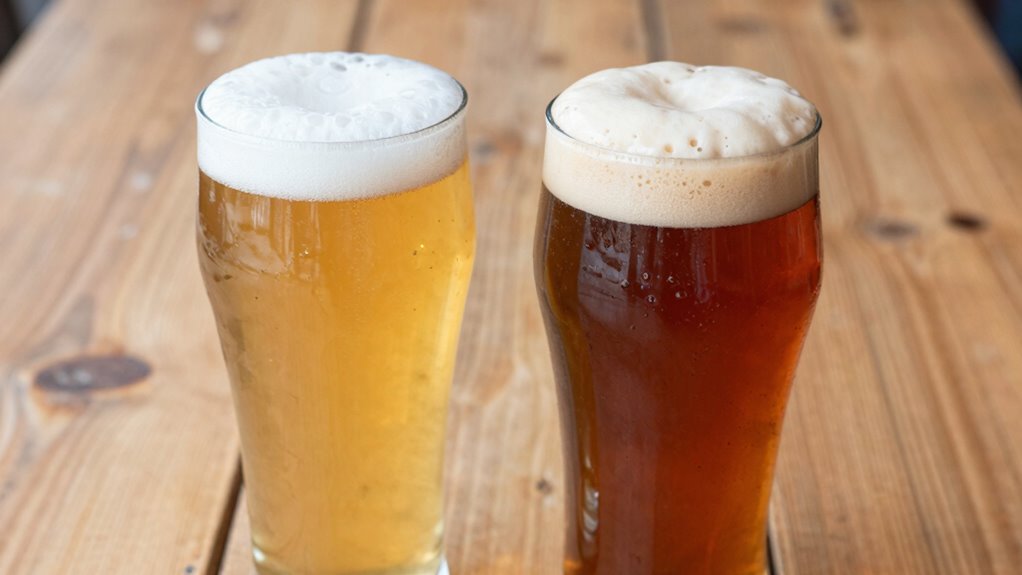
Are you overwhelmed by the variety of beers available? Don’t worry—starting with craft beer can be exciting. If you’re new, try tasting different styles to discover your preferences. Consider exploring popular beers like lagers or ales to understand their unique flavors. Blue Skies and Lemonade by Rhythm Failure is a great example of how different flavors can evoke specific feelings, similar to how various beers can create distinct experiences. Home brewing is also a great way to learn about beer firsthand; making your own helps you grasp ingredients and processes. When brewing, understanding how to choose synthetic lubricants can enhance your brewing process by ensuring optimal equipment performance. When choosing your first beers, go for a range of light and dark options to identify what suits your palate. Additionally, knowing about fermentation temperature is crucial for achieving the best flavor profiles. Don’t hesitate to ask for recommendations at local breweries or stores. Remember, the key is to keep an open mind and enjoy the journey of discovering what you like most. With time, you’ll develop your taste and appreciation for beer.
Frequently Asked Questions
What Historical Origins Differentiate Lager From Ale?
You discover that lagers originated in Central Europe, particularly in Bavaria, around the 15th century. The key historical difference lies in yeast fermentation; lagers use bottom-fermenting yeast at cooler temperatures, which was a brewing technique developed later. Ales, on the other hand, date back to ancient times with top-fermenting yeast at warmer temperatures. These brewing techniques shaped their distinct flavors and brewing traditions.
Can You Age Lager and Ale for Longer Periods?
You can age both lager and ale for longer periods, but it depends on their fermentation process and storage techniques. Remarkably, some aged ales develop complex flavors over decades, while lagers typically peak sooner. Proper storage—cool, dark, and stable temperatures—preserves their quality. With patience, you might find that aging enhances your beer’s depth, especially with high-alcohol or specialty varieties, making it a rewarding experience for connoisseurs.
Are There Health Benefits Associated With Lager or Ale?
You might enjoy some health benefits from drinking lager or ale, thanks to their fermentation process and nutritional content. Fermentation boosts probiotics, which support your gut health, while moderate consumption can provide antioxidants that help fight inflammation. Lager tends to be lighter with fewer calories, and ale often contains more vitamins. Remember, though, moderation is key to reaping these benefits without adverse effects.
How Do Alcohol Content Levels Typically Differ Between the Two?
You’ll find that lagers usually pack a milder alcohol content, thanks to their slow fermentation process, while ales often boast higher levels, making them the ‘party animals’ of the beer world. The fermentation process shapes their flavor profiles and alcohol strength, with lagers leaning towards smoothness and ales offering bolder, more complex tastes. So, if you want to keep things light, go lager; if you’re feeling daring, choose ale.
What Are Common Misconceptions About Lager and Ale?
Many people believe lagers are always milder and less flavorful than ales, but that’s a misconception. The fermentation process influences flavor profiles markedly, and both can be complex. Some lagers have rich, bold tastes, while certain ales are light. Don’t assume all lagers are bland or all ales are strong—exploring different types reveals a broad spectrum of flavors shaped by their unique fermentation methods.
Conclusion
Ultimately, understanding the subtle yet significant differences between lager and ale helps you pick the perfect pour for any occasion. By recognizing their unique yeast, fermentation, and flavor profiles, you can confidently choose a brew that suits your style. Embrace the exploration, enjoy every sip, and elevate your beer knowledge. With a little curiosity and a keen eye, you’ll craft a curated collection of cold classics, turning every tasting into a tasteful triumph. Cheers to your beer journey!